What Does an Offshore Radio Operator Do on an Installation?
An offshore radio operator keeps an oil or gas rig in touch with boats, aircraft, and shore. You track who is due to arrive and log calls as they come in. If a flight changes or a boat calls for help, you pass the right details to the crew on duty.
Offshore Radio Operator Duties in Oil and Gas
Monitor assigned radio and satellite links. Log messages that affect the installation. Track expected boats and flights with the relevant teams. Keep the next shift’s log clear. Note what has arrived and what is delayed. Flag messages that still need action.
Share arrival and weather updates with the helideck team and marine staff. The operator passes observations and messages. Other staff direct vessel and aircraft movements. Extra watch duties need the appropriate training and assigned authority.
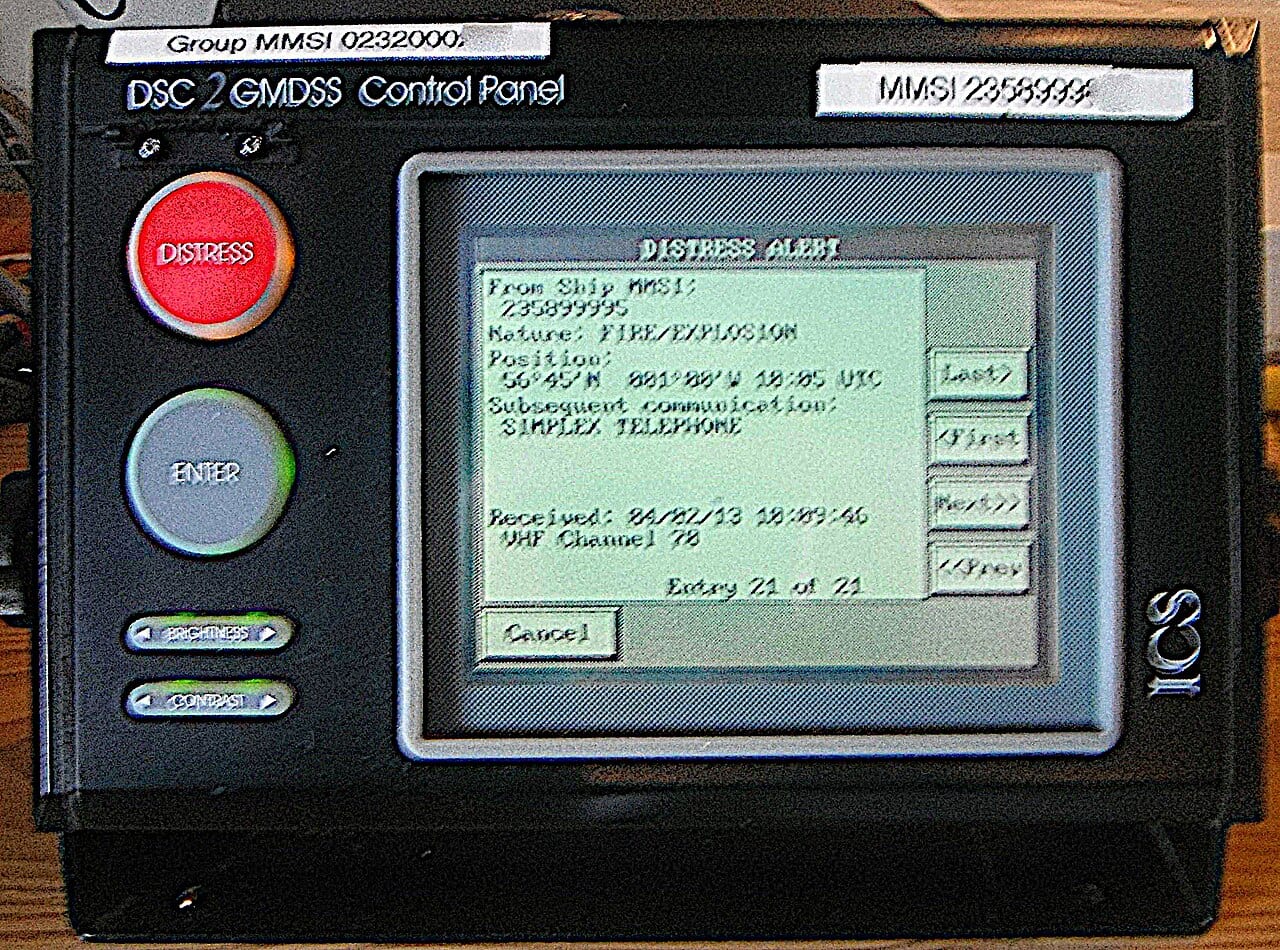
During an emergency, follow the communications plan and support the offshore installation manager with messages to shore and response teams. Some posts include GMDSS duties. This is the maritime distress and safety system. Know which communications duties the installation assigns.
Offshore Radio Operator Training and Career Path
Atlantic Canada’s July 2025 industry code lists GMDSS credentials for radio operators. It also calls for weather-observer training. Staff who speak with aircraft need an aeronautical radio credential too. The drilling section includes Level 1 offshore well control. The code’s wider safety training applies too.
Those requirements apply to the code’s defined setting. Other regions and vessel flags can use different licences. On-the-job training covers the equipment and message records.
Challenges of Working as an Offshore Radio Operator
Weather can disrupt flights and supply boats at the same time. Several teams may need updates while the operator is logging calls. Use accurate times and clear handovers. An old plan must not be treated as current. Rotations mean living at site. Delayed transport can extend a hitch.
Perks of Working as an Offshore Radio Operator
You work with marine, aviation and installation teams on the same daily plan. The role suits careful listening and clear records. Some posts offer a regular rotation. Radio watches and weather delays shape the actual work pattern.