What Does a Process Operator Apprentice Do at a Plant?
A process operator apprentice learns plant work through a formal training program. They spend time with experienced operators and may also take classes. The program tracks what they can do, from taking readings to working with the control room. Pay may change when they reach a new stage.
How Process Operator Apprentices Learn Plant Equipment
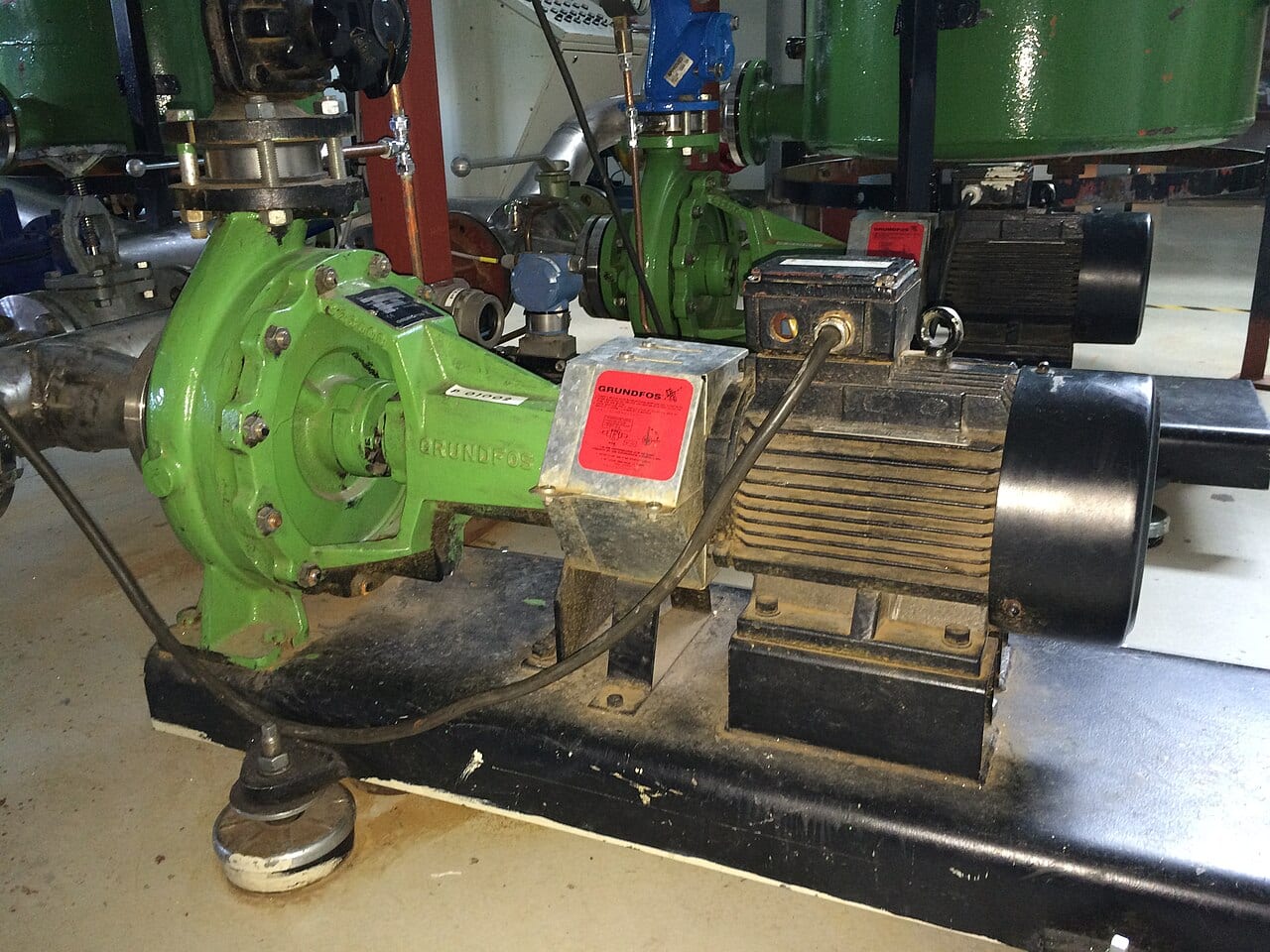
A process operator apprentice learns through a structured program with a sponsor. On supervised rounds, read equipment tags and compare gauges with the operating record. The equipment can include pumps, valves and separators. Learn where material enters and leaves the unit before taking on more complex tasks.
Practise assigned checks, sampling and shift records, then have the work reviewed. Keep the program’s training record up to date. A mentor needs evidence of a task being done correctly, not just the number of hours spent near the equipment. Tasks and authority grow as the sponsor confirms the required skills.
Some programs include board training, classroom learning or a simulator. A process operator trainee may instead follow an employer’s own training plan. An apprentice post should identify the formal program and sponsor rather than use the word as a loose name for any new hire.
Process Operator Apprentice Pay and Training Costs
A trained operator’s wage is not an apprentice starting rate.
For later-career context, Ontario’s broader oil, gas and chemical process group earned CAD 25.00 to 65.00 per hour in 2023–2024. The group includes qualified staff. In May 2025, the middle 80% of U.S. refinery operators, petroleum pump operators and gaugers earned USD 27.46 to 55.71 per hour. These ranges do not define program pay.
The sponsor may cover some training costs.
Process Operator Apprenticeships in Canada and the U.S.
Ontario’s refinery, chemical and liquid process trade leads to a Certificate of Apprenticeship. It is non-compulsory and has no certifying exam or Certificate of Qualification. Do not assume it is a Red Seal route or the same program used in Alberta.
U.S. registered apprenticeships also have a sponsor and a defined training plan. Requirements differ by program. Site safety and equipment training are still needed before assigned work. Completion of classroom study alone does not qualify someone for an independent console shift.
Challenges of Completing a Process Operator Apprenticeship
The apprentice has to learn while the plant continues running. Ask questions early and keep track of tasks still needing review. Busy shifts can make it hard to find training time unless the mentor and lead plan for it.
Class work and rotating shifts can compete with rest and family time.
Perks of Working as a Process Operator Apprentice
A formal program provides a record of the skills learned and a planned route through the work. You gain experience with a working crew while training. The value depends on the sponsor’s teaching and assessment, not just the use of apprentice in the job title.