What Does a Petrophysicist Do?
A petrophysicist studies how rock holds and moves oil, gas and water. They use readings from tools in the well and compare them with tests on rock samples. The work helps a team judge which layers may produce, where to place a well and how to test the result.
Well Log and Core Analysis Duties for Petrophysicists
Check the well logs before estimating rock properties. Missing intervals, depth shifts and poor hole conditions can affect the result. Environmental corrections account for some tool and borehole effects, where the available measurements support them.
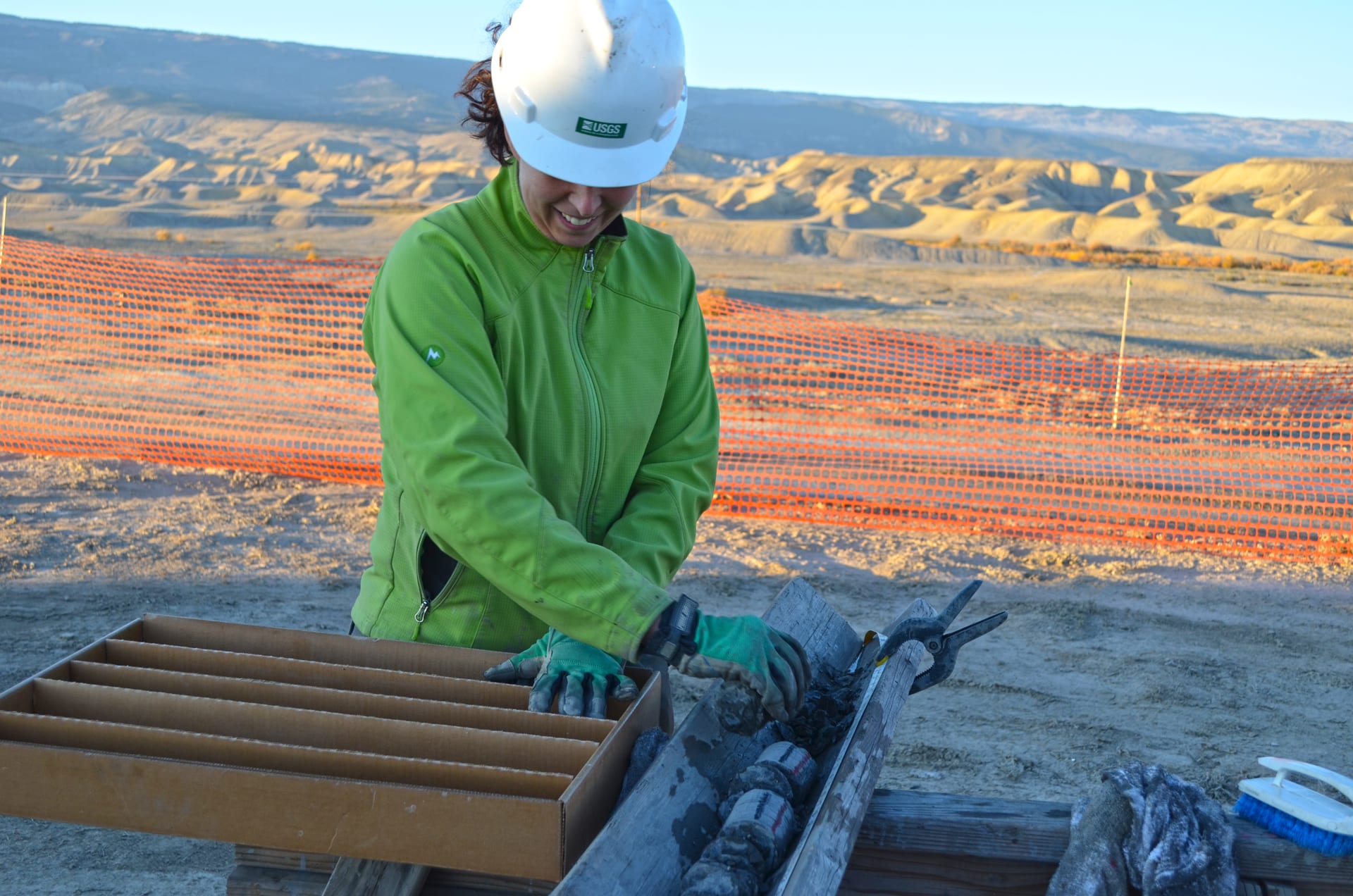
Compare the logs with core tests and other well evidence. Estimates may include effective porosity, fluid content and how readily fluids can move. Keep the assumptions and input versions with the results. Another specialist can then review the work.
The work can involve a quick answer for a well being drilled or a longer study across many wells. Discuss differences with geology and engineering staff. A promising log interval needs more well and field evidence before the team plans production.
Petrophysicist Pay and Job Outlook
Job Bank lists CAD 28.85 to 117.95 per hour for geoscientists and oceanographers in Alberta for 2023–2024. In May 2025, the middle 80% of U.S. geoscientists, excluding hydrologists and geographers, earned USD 28.52 to 96.26 per hour.
Canada forecasts 4,400 openings in this broad group over 2026–2035. Around 2,600 are due to retirement. These totals cover all the group’s industries and specialties.
The wage figures are for wider geoscience groups.
Petrophysicist Training and Career Path
Earth science, physics and engineering can lead into formation evaluation. Some employers seek a master’s degree and prior work with logs. Early tasks can include matching depths and checking tool files. A mentor may help you compare logs with core.
Learn the measurement principles alongside the software. Coding can help compare many wells, but an automated curve still needs a geological check. In Canada, check the licence needed for the work assigned.
Challenges of Working as a Petrophysicist
Two tools can disagree in the same well. They may measure different parts of the rock or respond differently to the hole. Core and log depths may also need matching. During live well support, explain what the data support now. Make clear which answer needs more evidence.
Perks of Working as a Petrophysicist
The role connects instruments, rock samples and decisions about wells. Some posts focus on one type of study. Others support several stages of a field’s life. A service-company post may add client work, while an operator’s role may follow the same asset for longer.