What Does a Pipeline Engineer Do?
A pipeline engineer helps design or look after the lines that move oil or gas. They check that the pipe, stations and valves suit the route and the planned flow. They may work on a new line or assess a line that has been in service for years.
How Pipeline Engineers Review Oil and Gas Routes, Designs and Condition
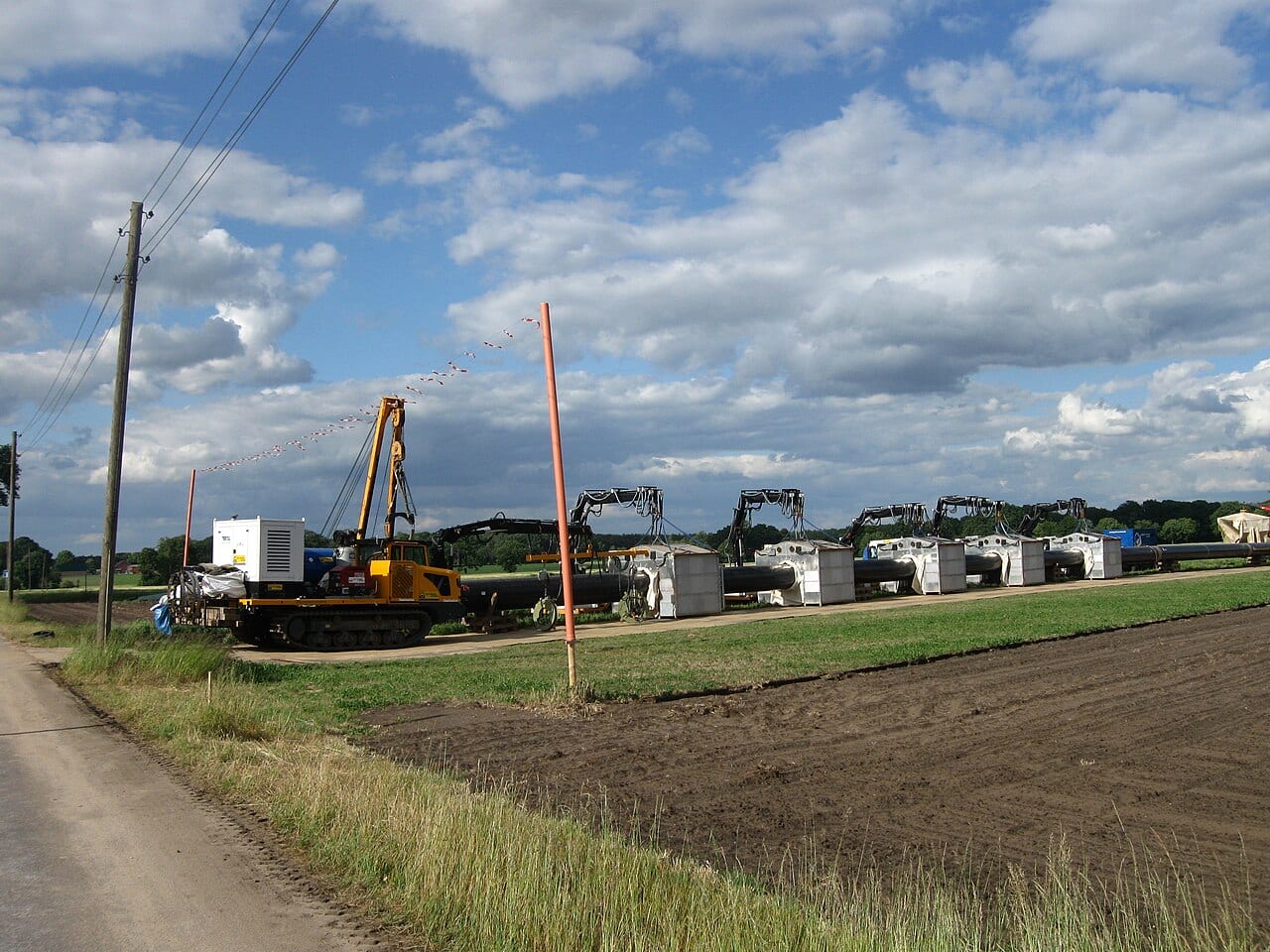
The engineer checks how a line, its stations and valves fit the product and planned route. A new project needs flow studies, ground and survey data, and a view of crossings and access. Changes to one route section can affect the pipe design, permits and construction plan.
For a line in service, they may review inspection and operating records with the integrity team. Metal loss, cracks and ground movement need different evidence. The engineer explains what a finding supports and which further checks would change the plan. Technical recommendations pass through the operator’s review and approval system.
Work on an existing line may include hot taps, line stopping or a tie-in. These are different tasks that can form part of one project. The engineer helps define the required design and interfaces with specialist crews. Design, construction support and integrity can be separate jobs or a combined post.
How to Compare Pipeline Engineer Pay
For civil-design context, Alberta civil engineers earned CAD 34.00 to 76.92 per hour in Job Bank’s 2023–2024 data. U.S. civil engineers earned USD 32.81 to 78.47 per hour for the middle 80% in May 2025. These cover many projects beyond oil and gas pipelines.
Canada projects 24,300 openings for civil engineers in 2026–2035. That includes 9,400 from retirements. Other pay comparisons may better fit mechanical design or integrity work. Then choose a pay group that fits.
Pipeline Engineer Training and Career Path
Civil or mechanical engineering can lead into different pipeline duties. Learn the relevant design rules, route records and inspection methods. Early work may include drawing checks and study inputs. Time with field crews builds context. Senior staff review the work.
Employers teach their assets and document systems. Local rules govern professional practice and approval. Pipeline rules depend on the region and service. Not every line is federally regulated. Site work also needs the relevant access and task training.
Challenges of Working as a Pipeline Engineer
Older lines can have gaps between drawings and the real installation. New routes must balance terrain, crossings and access with other project needs. A late change can affect many teams. Construction travel, urgent findings and work near operating lines can bring long days or on-call support.
Perks of Working as a Pipeline Engineer
You can connect office studies with pipe, stations and crossings in the field. A career may focus on design, integrity or construction support. Experience across those stages helps you understand why records matter years later. The amount of travel depends on the assets and project phase.