What Does a Piping Stress Engineer Do?
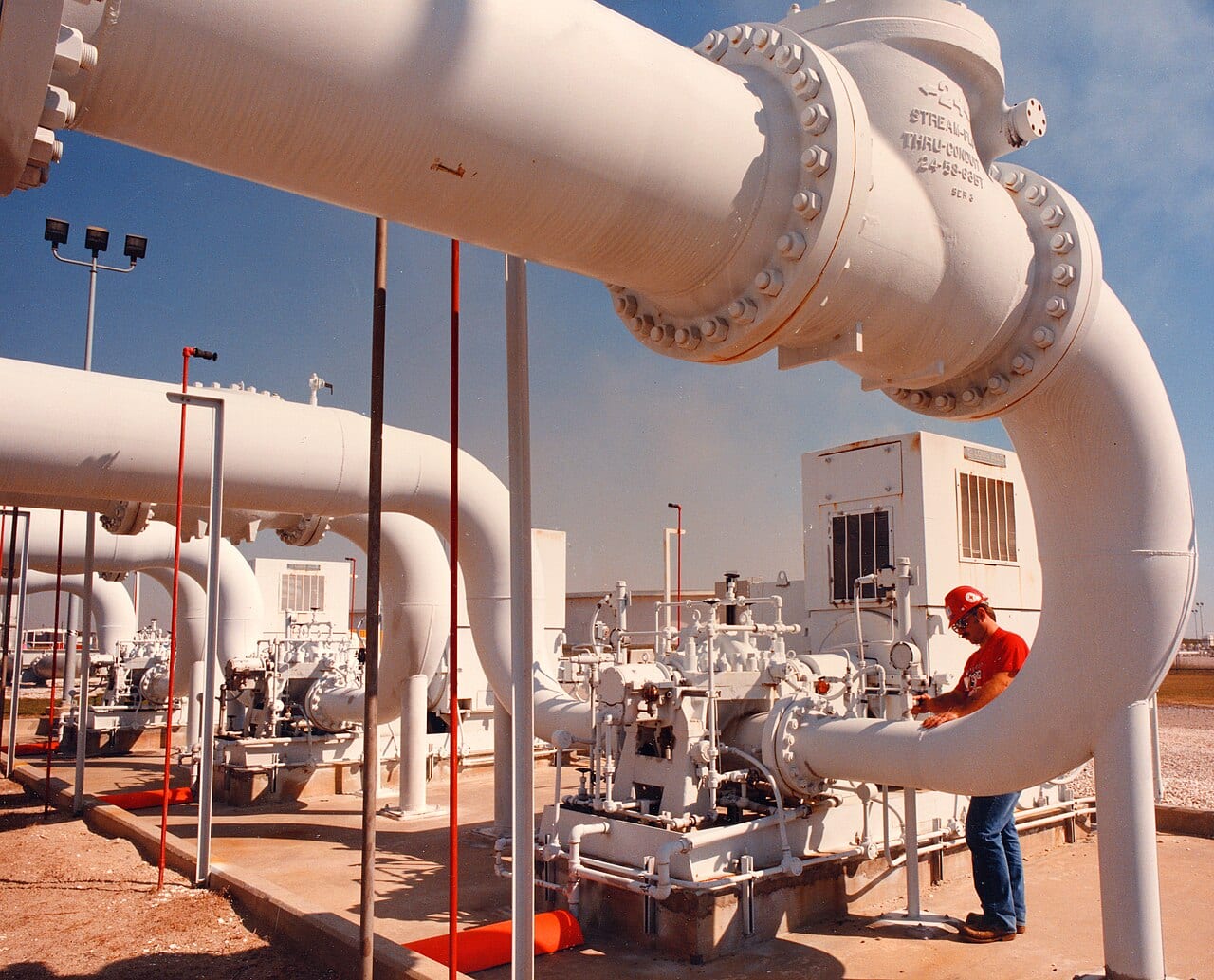
A piping stress engineer checks what can happen to a pipe as it heats, cools, or moves under load. In an oil and gas plant, a pipe can pull on a pump or push against a support as it grows with heat. You work out how to keep those forces within limits.
How Piping Stress Engineers Check Pipe Loads and Movement
The engineer studies how pipes respond to weight, pressure, heat and movement. The analysis needs the actual route, materials, supports and equipment connections. A model that misses a support or uses an old layout can give the design team the wrong answer.
They compare load cases. They check where movement or force may affect a pipe, support or equipment nozzle. The piping designer helps test layout changes. Equipment and structural staff review loads passed to their parts of the system.
The engineer records the assumptions, model version and design cases. Shop or site changes may need another review before they can be accepted. Piping rules depend on the service and region. A software pass alone is not the full design record.
Piping Stress Engineer Pay and Job Outlook
For wider mechanical-engineering context, Alberta’s range was CAD 33.65 to 96.15 per hour in Job Bank’s 2023–2024 data. U.S. mechanical engineers earned USD 35.57 to 79.01 per hour for the middle 80% in May 2025. These are not a separate stress-analysis pay scale.
Canada projects 12,800 mechanical-engineer openings in 2026–2035, including 6,100 from retirements. The total covers other specialties.
Piping Stress Engineer Training and Career Path
A mechanical or related engineering degree can provide the base. Learn mechanics, heat expansion, materials and pipe behaviour before relying on a stress package. You need to explain why a load case or support assumption fits the design.
Employers may teach their analysis tools and review method. ASME B31.3 addresses process piping, while other services can use different rules. Learn the code and edition adopted by the project. Local rules govern who can do and approve the work. Software training does not replace those rules.
Challenges of Working as a Piping Stress Engineer
Layouts can change after the first analysis, especially in a crowded existing plant. Several teams may also use different drawing versions. You need to keep the model aligned with the design and make the effects of changes clear. Late vendor loads or site findings can create urgent rework.
Perks of Working as a Piping Stress Engineer
The role offers focused analysis with a clear link to physical equipment. You can work with designers and other engineers to compare solutions before construction. Skills can lead toward piping expertise or project review.