What Does a Power Engineer Do in Oil and Gas?
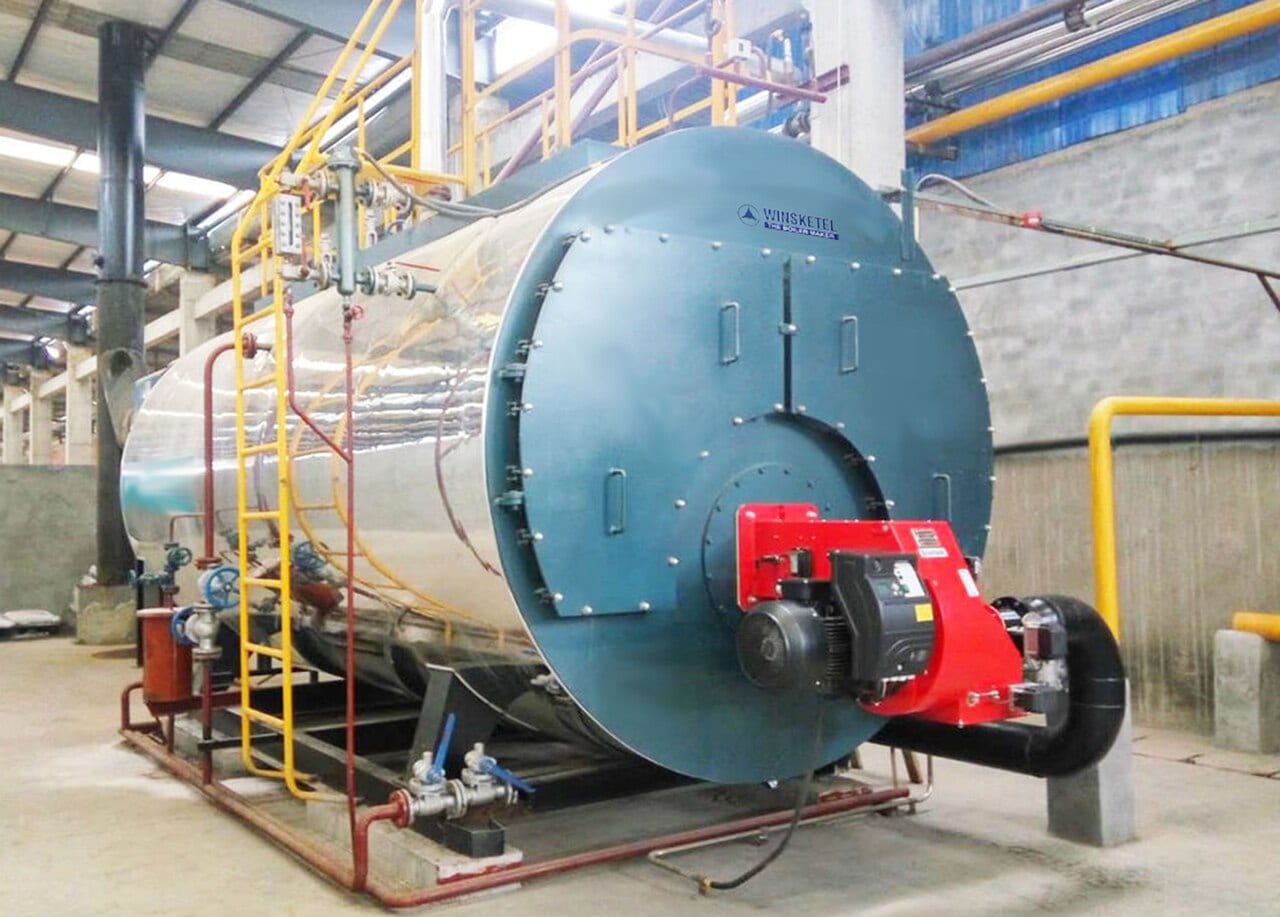
A power engineer runs equipment that makes steam or power for an oil or gas plant. They check readings, keep a shift log and report faults. The job can cover boilers, turbines and pumps. A crew depends on those systems to keep other parts of the plant running.
How Power Engineers Run Plant Utilities
A power engineer watches how the plant’s steam, power and utility systems are running. They compare readings with the shift log and report changes that need attention. The work can cover boilers, turbines, pumps and water systems, depending on the plant and assigned position.
Good shift records connect the readings with what happened on site. A change in steam demand, maintenance work or a faulty instrument can affect several systems at once. The power engineer works with process operators and trades to understand the event and record what remains open for the next shift.
In Canada, this is a plant operating trade with its own certificates. A power systems engineer designs or studies power networks. That is a different job. In the U.S., stationary engineer or boiler operator can mean related plant work.
Oil and Gas Power Engineer Wages and Job Outlook
Alberta’s power-engineer and power-system-operator group earned CAD 31 to 73 per hour in 2023–2024. U.S. stationary engineers and boiler operators earned USD 24.32 to 60.28 per hour for the middle 80% in May 2025. These groups span different plants and levels, not one certificate class.
Canada projects 9,100 openings in the group in 2026–2035, including 6,400 from retirements and 1,100 from growth. A trainee position should be compared with other trainee offers.
Power Engineer Certificate Classes and Plant Training
Alberta’s ABSA route has study, exam and work-experience requirements. You need the certificate that fits the plant and your assigned duties. An engineering degree alone does not let you fill a post that needs an operating ticket.
Employers teach their plant systems, logs and local work rules after hire. To reach a higher class, you need more of the study and experience the rules accept. U.S. licences depend on state and city rules. A move may mean a new exam.
Challenges of Working as a Power Engineer at a Plant
Utility demand can change while maintenance work or process problems are under way. Shift staff need clear handovers and must stay alert through nights and weekends. Heat, noise and plant rounds add physical demands. A remote plant may also mean long travel or time away from family.
Perks of Working as a Power Engineer in Oil and Gas
You can learn how several plant systems work together rather than focusing on one machine. A recognised certificate route gives clear study goals. Experience may lead to broader shift or plant duties.