What Does a Predictive Maintenance Engineer Do?
A predictive maintenance engineer looks for signs that equipment may fail before it stops working. At an oil and gas site, a pump or compressor might start to shake more or run hotter. You check those changes and help the team decide whether to watch the machine, test it, or plan a repair.
How Predictive Maintenance Engineers Review Oilfield Equipment Data
Use condition and failure data to plan better maintenance. Start with the machine’s duty and the effect of a failure. Some equipment needs close monitoring, while another asset may need a different maintenance approach. More sensors do not automatically make a useful programme.
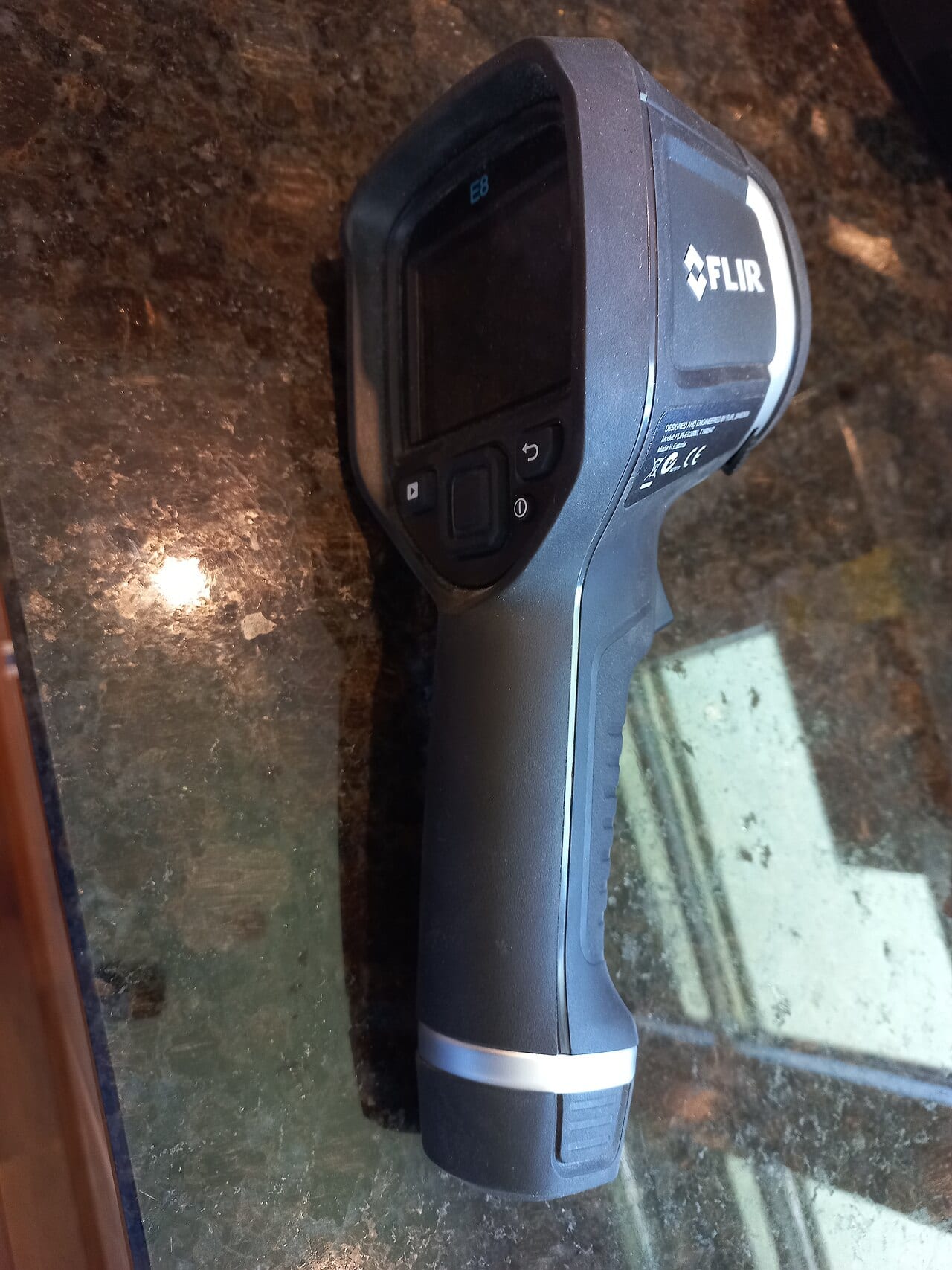
Combine findings from a vibration analyst, thermal surveys, work orders and operating records. Check whether a change reflects a real equipment problem or poor data. Investigate recurring faults with the maintenance and operations teams. A recommendation needs a clear reason and a practical follow-up.
Help turn findings into reviewed work plans and check the result after a repair. Keep the machine history and monitoring plan current. A maintenance planner arranges work scope and resources. An alert needs review. It does not always call for the same repair.
Predictive Maintenance Engineer Pay and Job Outlook
Job Bank lists CAD 33.65 to 96.15 per hour for mechanical engineers in Alberta for 2023–2024. In May 2025, the middle 80% of U.S. mechanical engineers earned USD 35.57 to 79.01 per hour.
Canada projects about 12,800 openings in the Canadian group from 2026 to 2035. About 6,100 could come from retirements.
These are wider mechanical engineering rates.
Predictive Maintenance Engineer Training and Career Path
Mechanical or another relevant engineering degree is a common route. Learn equipment, failure analysis and maintenance records as well as data tools. Field experience helps connect a trend with the way a machine is used.
Employers may provide condition-monitoring software and method training. An analyst certificate can support one technique. Wider engineering work needs a broader set of skills. Check the professional licence needed for the region and duties. Senior reliability jobs need prior plant work. New graduate posts do not all need that experience.
Challenges of Working as a Predictive Maintenance Engineer
Work records may use different names for the same machine or omit the cause of a repair. That can distort a failure trend. The engineer needs to check data quality before treating a model as evidence.
Operations, cost and maintenance access can compete for attention. A repair plan that cannot be scheduled may not solve the problem.
Perks of Working as a Predictive Maintenance Engineer
You can see how a better maintenance decision affects equipment over time. You work with analysts, trades and operators. It can suit someone who likes linking faults with data. Check whether a proposed change actually worked, not just whether it was completed.