What Does a Produced Water Engineer Do?
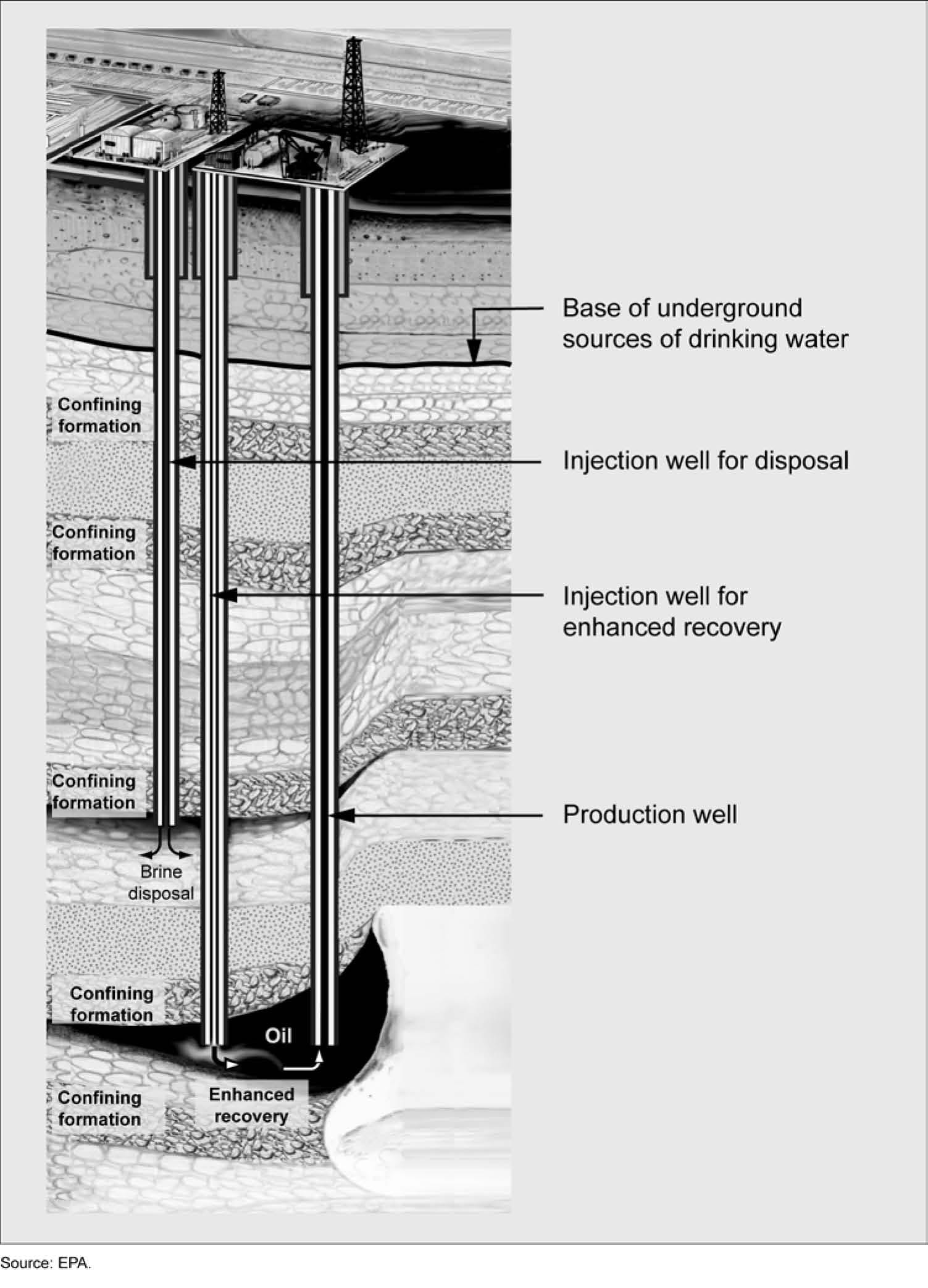
A produced water engineer plans how an oil and gas site handles the water that comes up from its wells. The water can carry oil, salt, and solids. You help the site treat it to the level it needs before the crew can reuse it, send it elsewhere, or dispose of it.
How Produced Water Engineers Plan Oilfield Water Treatment
Start with the amount of water, what it contains and where it must go. Produced water can contain free oil, small oil droplets, salt, solids and treatment chemicals. A plant designed for one mix may struggle when the field produces more water or its quality changes.
Work with lab and process staff on samples. Review how each treatment stage performs. Options can include oil separation, flotation and filters. The design needs to meet the actual reuse, injection or discharge requirements. Removing visible oil does not by itself remove dissolved salts or make the water fit for any use.
Check equipment size, waste streams and how the water system links to the plant. A reservoir team may need water of a certain quality for injection. Operators need equipment they can monitor and maintain. Changes go through the site’s technical and approval process before use.
Produced Water Engineer Pay and Job Outlook
For process-design work, chemical engineers earned CAD 44.23 to 118.79 per hour in Alberta in Job Bank’s 2023–2024 data. U.S. chemical engineers earned USD 38.19 to 87.92 per hour for the middle 80% in May 2025. These broad groups do not set pay for every water role, operator or lab post.
Canada projects 2,500 chemical-engineer openings in 2026–2035, including 1,200 from retirements. That includes many industries.
Produced Water Engineer Training and Career Path
Chemical, process or related engineering studies can lead into this work. Learn separation, water chemistry, fluid flow and how to judge a sample result. Some roles focus on treatment design; others support a running plant or client service.
Employers may provide product and site training. Learn the local water-use or discharge requirements and who approves the engineering work. Canadian provinces set the engineering licence rules. U.S. rules depend on the state and duties. A general water-treatment course does not replace a required engineering qualification.
Challenges of Working as a Produced Water Engineer
Water quality and flow can vary as wells age or recovery methods change. A sample may miss a brief upset that matters to a filter or injection system. Get enough field data to define the problem before proposing equipment. Space, waste disposal and maintenance access can limit the options at an existing plant.
Perks of Working as a Produced Water Engineer
The role connects lab evidence with equipment and day-to-day plant performance. You can follow a problem from sampling to a design change and its result. Skills can lead toward process, water-reuse or field-service work.