What Does a Production Engineer Do at Oil and Gas Wells?
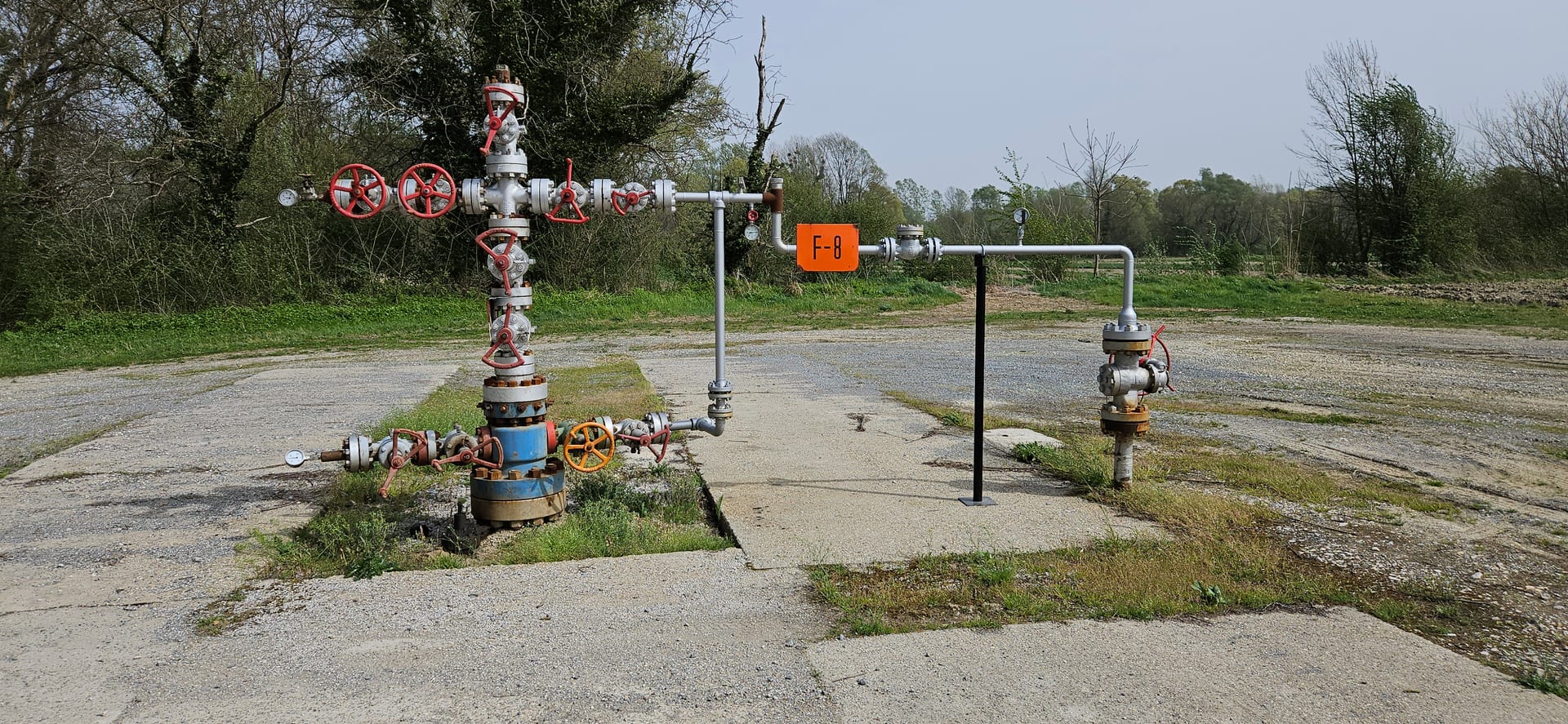
A production engineer helps keep oil and gas wells flowing after drilling ends. They check why a well makes less oil or more water than expected and decide what might help. The work may involve choosing a pump, changing how a well runs or planning repairs with the field team.
How Production Engineers Review Well Flow and Repair Options
A production engineer studies the route from the reservoir through the well to the surface system. They compare well tests, pressure and equipment records to find what limits output. The cause may be changing reservoir conditions, a lift problem or a restriction at the surface. Each needs a different response.
The engineer may use nodal analysis to compare well behaviour and artificial lift options. They work with field staff on test results and with well-service teams on repair proposals. A plan needs the expected benefit, cost and limits, as well as the equipment and people required.
Water and gas handling affect the answer. More well output is not useful if the plant cannot receive it within its approved limits. The engineer works with facilities and reservoir teams to check the wider system. After a change, they compare the actual response with the forecast and keep the result in the well record.
Production Engineer Wages and Job Outlook
Job Bank’s 2023–2024 Alberta petroleum-engineer range is CAD 46.67 to 96.15 per hour. U.S. petroleum engineers earned USD 39.16 to 121.73 per hour for the middle 80% in May 2025. These include specialties beyond producing-well support.
Canada projects 2,100 petroleum-engineer openings in 2026–2035, including 1,300 from retirements. The forecast does not split out production roles.
Production Engineer Education and Licensing
Petroleum or a related engineering degree can provide the base. Learn well flow, lift systems, fluid behaviour and the limits of a test. Field time helps you connect a model with the equipment and records it represents.
Employers may train graduates in their tools and review process. SLB’s entry-level production role in Libya, for example, supports service delivery under the team’s direction. That is one route, not a degree or licence rule for North America. Professional practice and supervision follow the rules where the work is done.
How Production Engineers Move Into Lead Roles
You may start by looking after a set of wells with help from a senior engineer. With more time in the field, you might take on a larger area or lead a pump or well repair program. Some engineers go on to manage work across an entire field.
Challenges of Working as a Production Engineer
A well may respond for a short time and then return to its earlier trend. The team needs enough evidence to separate a lasting gain from normal variation. Repairs can also compete for crews, budget and plant capacity. Calls from the field may interrupt a planned study day or extend beyond office hours.
Perks of Working as a Production Engineer
You can follow a practical question from field evidence to a proposal and then to the result. The role offers contact with operators, well crews and reservoir staff. It can lead to asset engineering or specialist lift and well-performance work.
Production, Drilling, Reservoir and Facilities Engineering Jobs
A drilling engineer plans how to build the well. A reservoir engineer studies how oil or gas moves through the rock. A production engineer works with both teams and with facilities engineers when a surface limit affects well flow.