What Does a Project Controls Engineer Do in Oil and Gas?
A project controls engineer tracks what an oil and gas project has spent and how its work is moving against the plan. They compare real progress with the schedule, look for changes and help forecast how much time and money the job still needs. Their work supports decisions on the project.
How Project Controls Engineers Track Oil and Gas Project Changes
If a vendor ships late, the engineer checks which crews and tasks need that part. The turnaround planner can say what the job needs. A turnaround manager decides what to change on an outage. A PMO analyst may use the project figures in a report that covers more than one site.
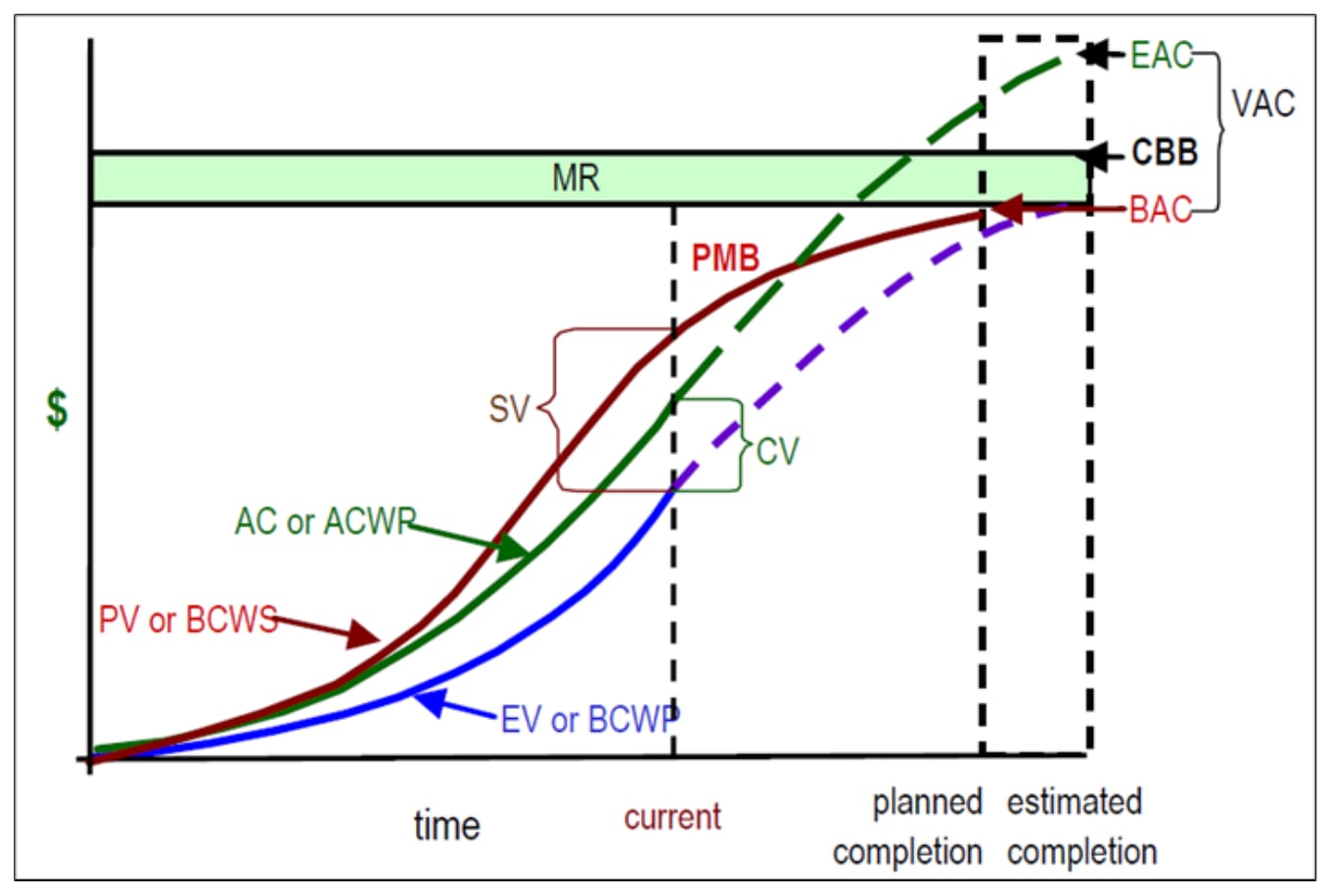
The work starts with an agreed baseline for cost and schedule. Actual costs and field progress are compared with that reference. The forecast then asks what the remaining work is likely to need. Spending half the budget does not show that half the work is complete.
A change needs to be traceable through the estimate and plan. The engineer checks which tasks, quantities and costs it affects and records the basis of the forecast. Project leaders use that analysis to decide what to do. The controls role needs to show the evidence and its limits clearly.
Project Controls Engineer Training for Oil And Gas Work
Engineering, construction, accounting or planning work can lead to project controls. Learn how to check the cost and time for a task and how to explain a change with the records to back it up.
A useful early task is reconciling a work package’s cost records with its progress report. Learn how commitments, invoices and forecasts are treated by the employer. Planning and spreadsheet skills help, while more senior posts need experience explaining uncertainty and checking the effect of a scope change.
Challenges of Tracking Oil and Gas Project Costs and Schedules
A schedule can show a task as done before the work has been checked in the field. You need a sound way to measure progress. Bad figures can lead to a bad forecast.
Costs and progress can arrive on different reporting dates. A forecast needs a consistent basis before figures are compared. The engineer also has to question an optimistic completion claim and explain why a forecast changed without burying the answer in a complicated report.
Perks of Tracking Oil and Gas Project Costs and Schedules
You can see where the project is drifting and help the team make changes early. The work can lead to cost, planning or project lead roles.
You can see how field decisions affect the whole project’s time and cost. The role builds analytical skills that transfer between projects. It can lead to cost, schedule or wider project-controls leadership as your experience with delivery grows.