What Does A QA/QC Engineer Do?
A QA/QC engineer helps an oil and gas project check that the work meets its plans and test rules. QA means quality assurance. It covers how the team sets up the work to avoid defects. QC means quality control. It covers the checks that show whether the work meets those rules.
QA/QC Engineer Duties in Oil and Gas
QA sets up how the project prevents defects; QC checks the actual work. The engineer helps turn the contract and design requirements into inspection plans and records. The scope may cover a shop, fabrication yard or site. A job title alone does not identify which materials or systems it covers.
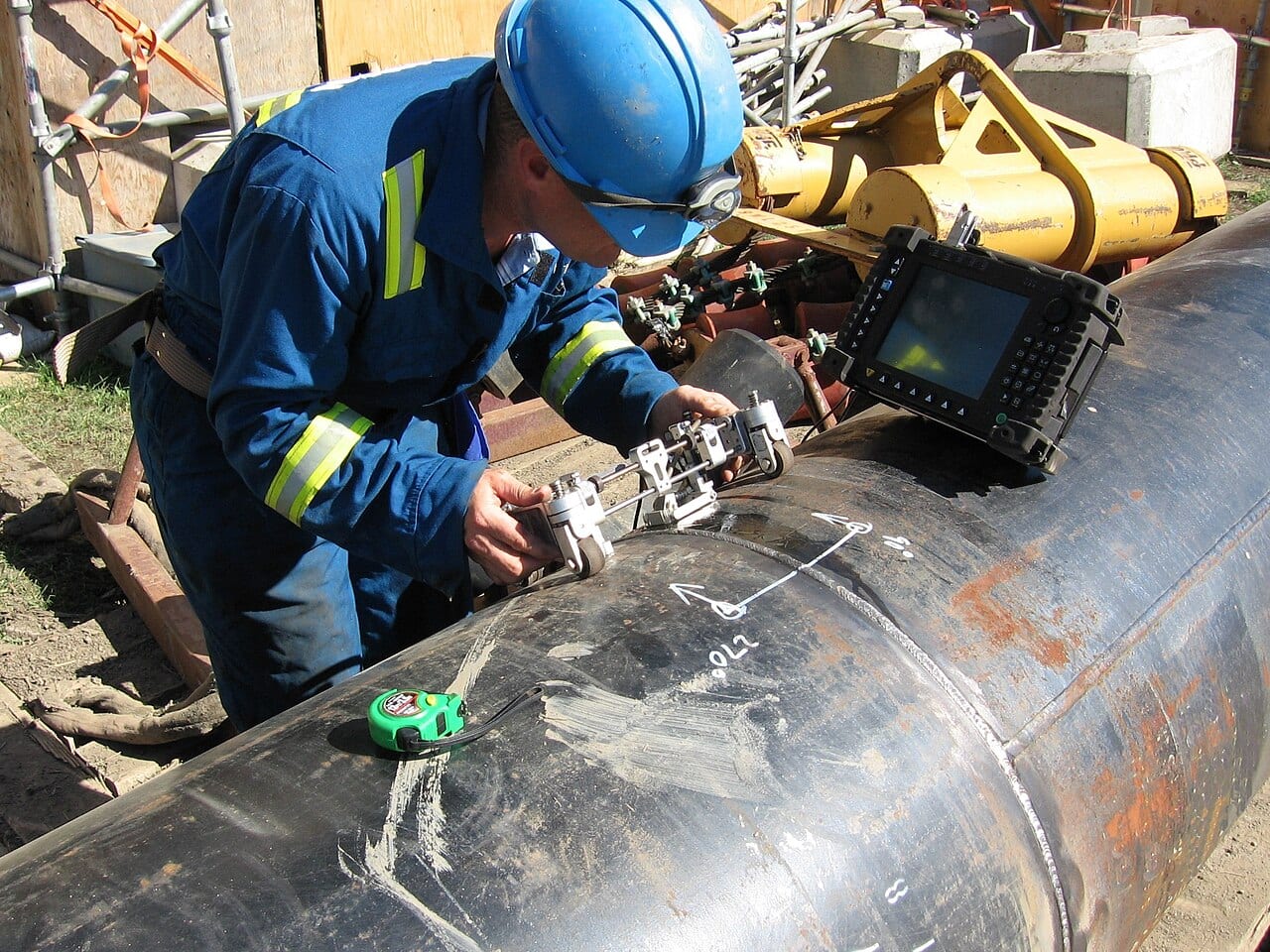
An inspection and test plan sets out the checks and review points. For pipe work, records may link a material certificate, drawing revision and weld test to the right part. A quality inspector carries out checks within their scope. The engineer helps keep the plan and evidence in order.
When work fails a requirement, record the gap and the agreed response. Then verify that the action was completed and checked. Supplier documents, audits and recurring defects also need review. Closing a record is not the same as accepting a repair without technical approval.
QA/QC Engineer Training and Career Path
Engineering or relevant technical study can lead into quality work. Learn drawings, specifications and how to trace a part from purchase to test. Junior staff can support records and inspections under review. More senior posts may own audits or supplier quality across a project.
Inspection credentials must fit the actual task. A welding or pressure-vessel certificate does not cover every system. Employers can train staff in project procedures, but technical inspection and engineering approval still need the right qualifications.
Challenges of Working as a QA/QC Engineer
A missed inspection can become costly once work is covered up or shipped. Production teams may want to move ahead before records are complete. You need to show the exact gap and who can resolve it. Yard, vendor and client deadlines can pull the role in different directions.
Perks of Working as a QA/QC Engineer
You learn how design requirements become real equipment and test results. The work can lead into supplier quality, audit or project quality management. It suits someone who likes checking evidence and following a defect through to a verified result, rather than only finding fault.