What Does a Refinery Operator Do?
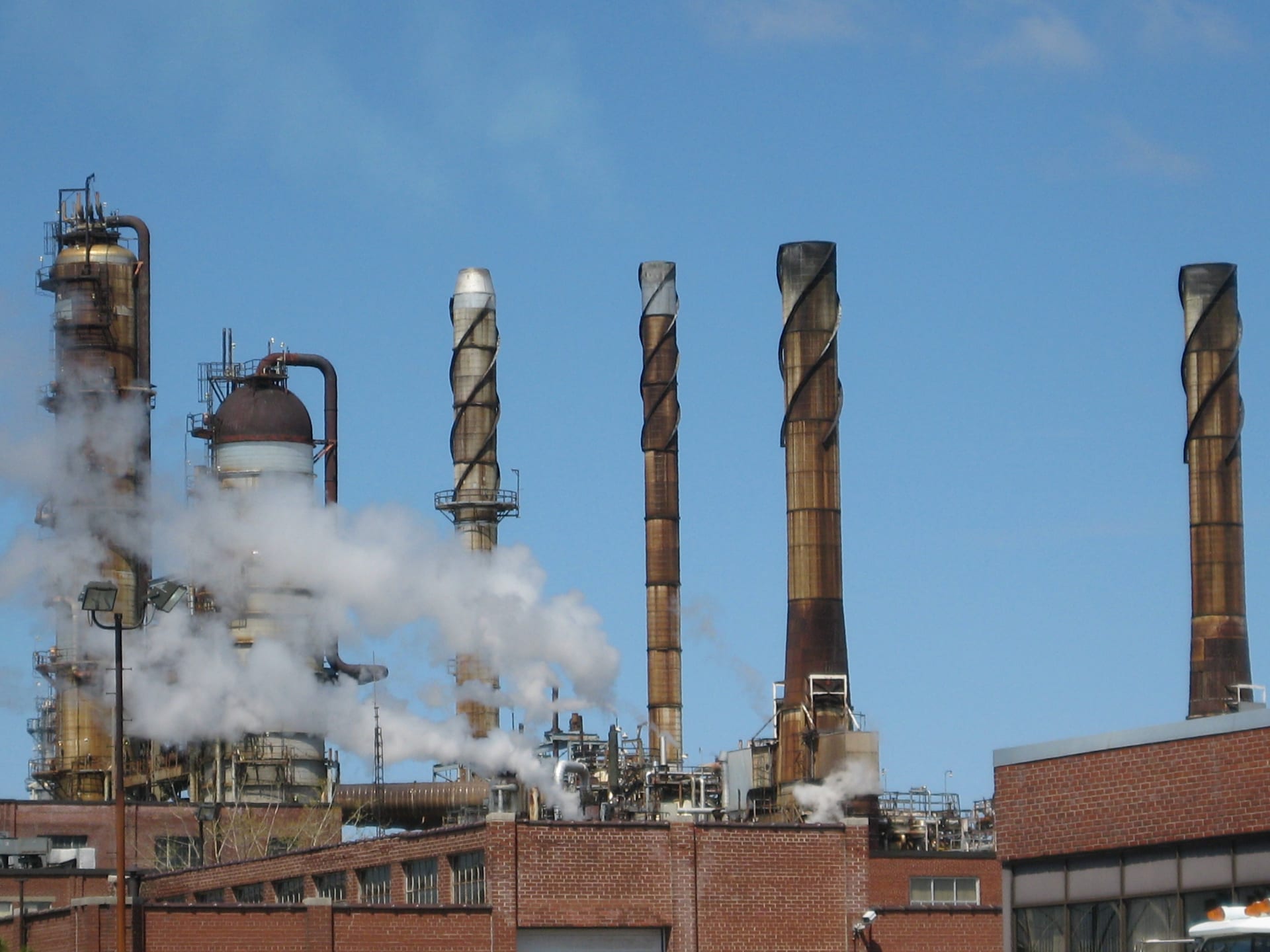
A refinery operator runs part of a plant that turns crude oil into fuels and other products. They check the equipment and watch readings such as pressure and flow. The operator may work outside at a unit or at the board in the control room.
How Refinery Operators Check Process Units
Make rounds or monitor the assigned unit from the control room. Field work can include pumps, samples and reports of unusual conditions. Console staff follow trends and stay in contact with the outside crew. Each role needs a clear handover on the equipment and process.
Keep logs and report changes that need support. Refineries use separate units to separate, treat and convert streams. A change in one area can affect feed or capacity elsewhere. Operators work with shift leads and technical staff within the site’s operating plan.
Support maintenance and shutdown work through the plant’s permit and equipment-release process. Record unfinished work for the next shift. A completed repair still needs the site’s checks before the equipment is returned to its operating role.
Refinery Operator Wages and Job Outlook
Job Bank lists CAD 32.00 to 72.12 per hour in Alberta for oil, gas and chemical process operators in 2023–2024. In May 2025, the middle 80% of U.S. refinery operators, petroleum pump operators and gaugers earned USD 27.46 to 55.71 per hour.
Canada projects about 4,100 openings in its wider group from 2026 to 2035. About 3,200 could come from retirements.
Refinery Operator Training for Field and Board Work
Process study or relevant plant work can provide a route. Entry requirements depend on the unit and employer. A 2026 Suncor Edmonton operator post required second-class power engineering; other trainee jobs use different entry routes. Do not assume all refinery roles start at the same certificate level.
Employers train and assess staff on their assigned area. Field duties often come before broader console responsibility. Training also covers process hazards, permits and emergency duties.
Challenges of Working as a Refinery Operator
The plant runs through nights, weekends and holidays. Outdoor rounds can combine hot equipment with severe winter weather. Shutdowns bring extra crews and changing equipment status. Long shifts need careful handovers so the next crew understands the process and work still in progress.
Perks of Working as a Refinery Operator
You can learn one unit in depth and see how it fits the wider refinery. More area training may lead to console or lead work. Some operators also help train new staff, with progression depending on skills and site openings.