What Does an Oil and Gas Regulatory Affairs Specialist Do?
An oil and gas regulatory affairs specialist helps a firm understand which approvals and reports a project needs. They keep track of due dates, check what each filing needs, and work with the people who provide the facts. They also track the rules and reports that apply once the site is running.
Regulatory Affairs Specialist Duties on Oil and Gas Projects
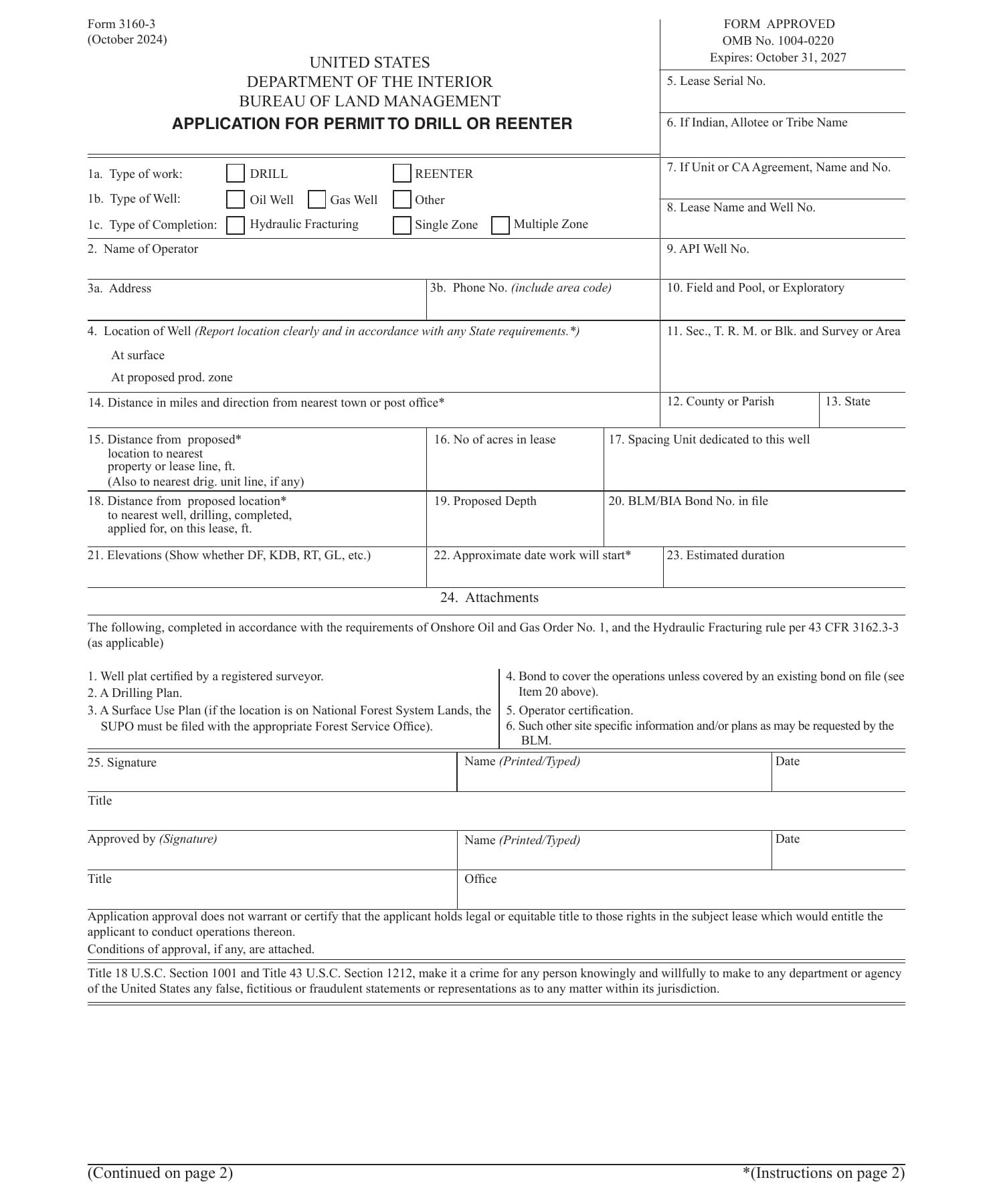
The specialist lists the permits and reports a project needs, then tracks their conditions. Land staff and technical teams supply the facts. Each filing must match the current design, so a change to the plan can mean revising the application.
Track submissions, regulator questions and responses. Keep the reasons for a revision with the file. Once the project is operating, reporting dates and approval conditions can still require follow-up. The role continues beyond receiving an initial permit.
The route and type of project determine which agency is involved. The CER oversees major pipelines that cross provincial or national borders. Provincial agencies cover other lines. FERC reviews U.S. interstate natural-gas pipeline applications. The specialist brings the filing together; technical and legal experts review their parts, and the agency decides on approval.
Skills and Training for Oil and Gas Regulatory Affairs Specialists
Land or environmental work can provide a route. Some people enter from engineering or policy work. Learn to read conditions and translate them into clear tasks and dates. Employers may teach their records and filing systems. Familiarity with the actual region is important.
Junior staff can support routine filings and document checks. Major projects may need years of approval experience. Some documents need an expert’s sign-off before they can be filed.
Challenges of Keeping Oil and Gas Approvals on Track
One design change can affect several permits at once. Forms and filing systems can change during a long project too. Staff need a clear record of the version and dates that apply. Late answers or missing facts can hold up the planned start of site work.
Perks of Working in Oil and Gas Regulatory Affairs
You see how a project moves through planning, review and operation. You help technical teams track the requirements. It suits someone who likes careful follow-through and can explain complex documents in plain language.