What Does a Reserves Engineer Do?
A reserves engineer works out how much oil or gas a field could still yield under a given plan. They check well data, costs and what the company plans to build. They keep a record of each change so others can see how the team reached its estimate.
Forecasts and Reporting Duties for Oil and Gas Reserves Engineers
Update well forecasts and compare them with actual production. Review planned wells, capital costs and operating costs with the asset team. Set a clear reporting date for the estimate. Record the prices and field plan used.
Gather land, finance and engineering records for the reviewers. Explain why the estimate changed. New well results, a revised plan or a property sale can affect it. Keep those reasons with the calculation files.
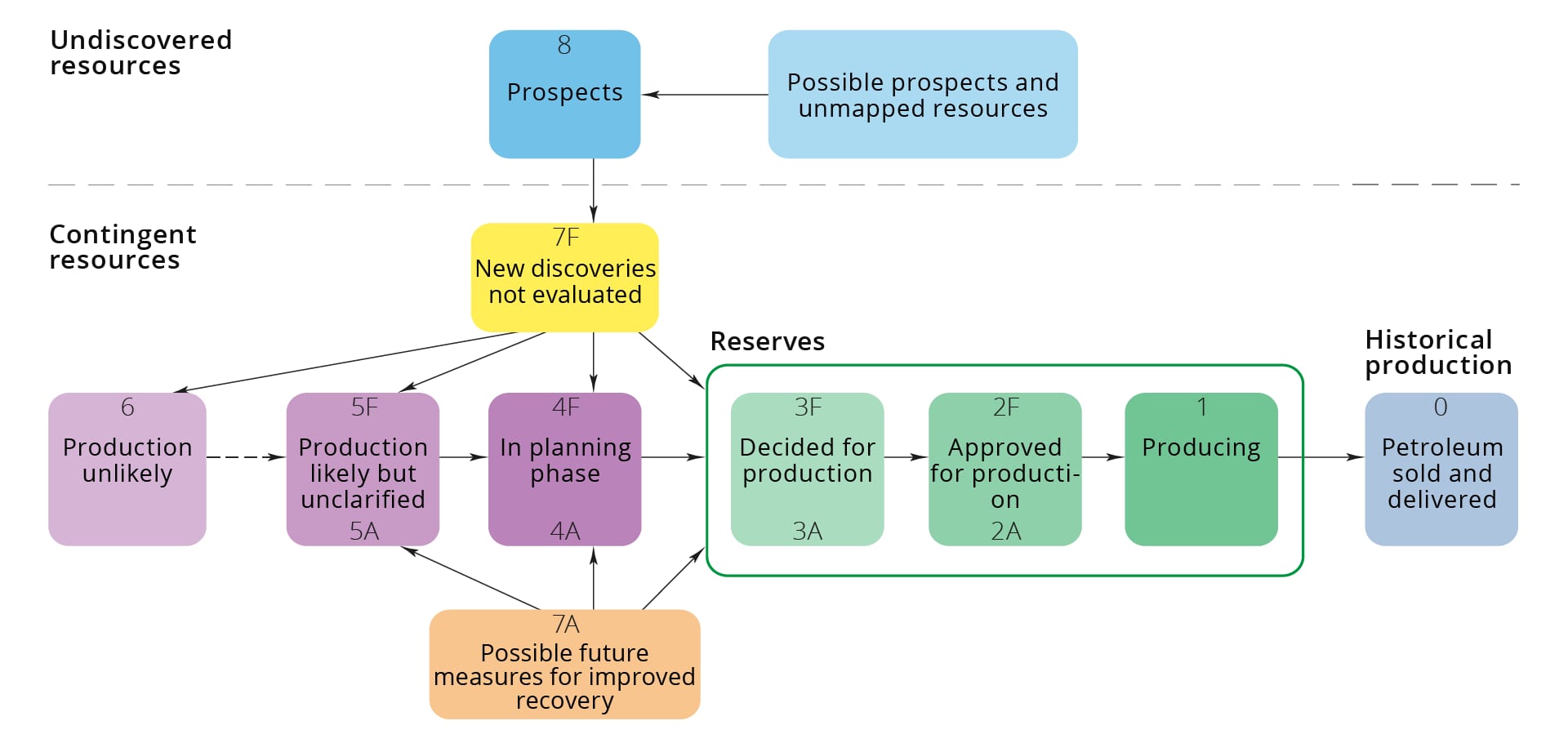
Canadian reporting work may involve NI 51-101 and COGEH. The required basis depends on the report. An oil and gas reserves auditor or evaluator can review the evidence. Oil in the rock is one measure. Reserves depend on a project that can recover and sell that oil under the stated conditions.
Reserves Engineer Pay and Job Outlook
Job Bank lists CAD 46.67 to 96.15 per hour for petroleum engineers in Alberta for 2023–2024. In May 2025, the middle 80% of U.S. petroleum engineers earned USD 39.16 to 121.73 per hour.
Canada forecasts 2,100 openings in this broad group over 2026–2035. Around 1,300 are due to retirement. These are group totals across specialties.
These are wider petroleum engineering groups.
Reserves Engineer Training and Career Path
A petroleum or related engineering degree is a common route. Experience with well forecasts and field plans helps. Learn the cost and price calculations too. Junior staff may check past volumes and model inputs. More complex reports follow with experience.
Learn the employer’s reporting rules. Check how reviewers record their conclusions. In Canada, check the province’s engineering licence rules. Some evaluator and auditor work requires further qualifications and experience.
Challenges of Working as a Reserves Engineer
Year-end reports combine data from teams working to different deadlines. A late cost or development change can affect several properties. Keep the reporting basis clear and explain revisions. A budget forecast may use a different plan from a reserves case.
Perks of Working as a Reserves Engineer
You see how well performance, project plans and commercial conditions fit together. The experience can help when reviewing assets for a purchase or sale. You also work with land, finance and field teams.