What Does an ROV Pilot Technician Do Offshore?
An ROV pilot technician flies and services a remotely operated vehicle from a ship or platform. The underwater robot sends video back through a tether. A crew can use it to inspect pipes, check gear on the seabed or handle tools. The pilot technician also finds faults between dives.
How ROV Pilot Technicians Inspect Seabed Assets and Maintain Vehicles
The pilot technician controls and maintains a remotely operated vehicle, or ROV. Cameras, sonar and tools let the crew inspect or work on gear underwater. The pilot needs the work plan and a clear view of the tether. Nearby structures matter as well as the image directly ahead.
They work with deck and bridge staff during launch, recovery and underwater tasks. A ROV supervisor coordinates the team. Label video and tool data with useful times and details. A later reviewer needs to connect the record with the right asset and job.
Between runs, the technician helps trace faults through vehicle, tether and surface systems. Service work covers mechanical parts, wiring and hydraulics. Hydraulic parts use fluid power. Each task needs the right skills and work controls. Records show what was repaired or changed before the next test. Piloting and repairing are linked parts of the role. Your skills must cover each assigned task.
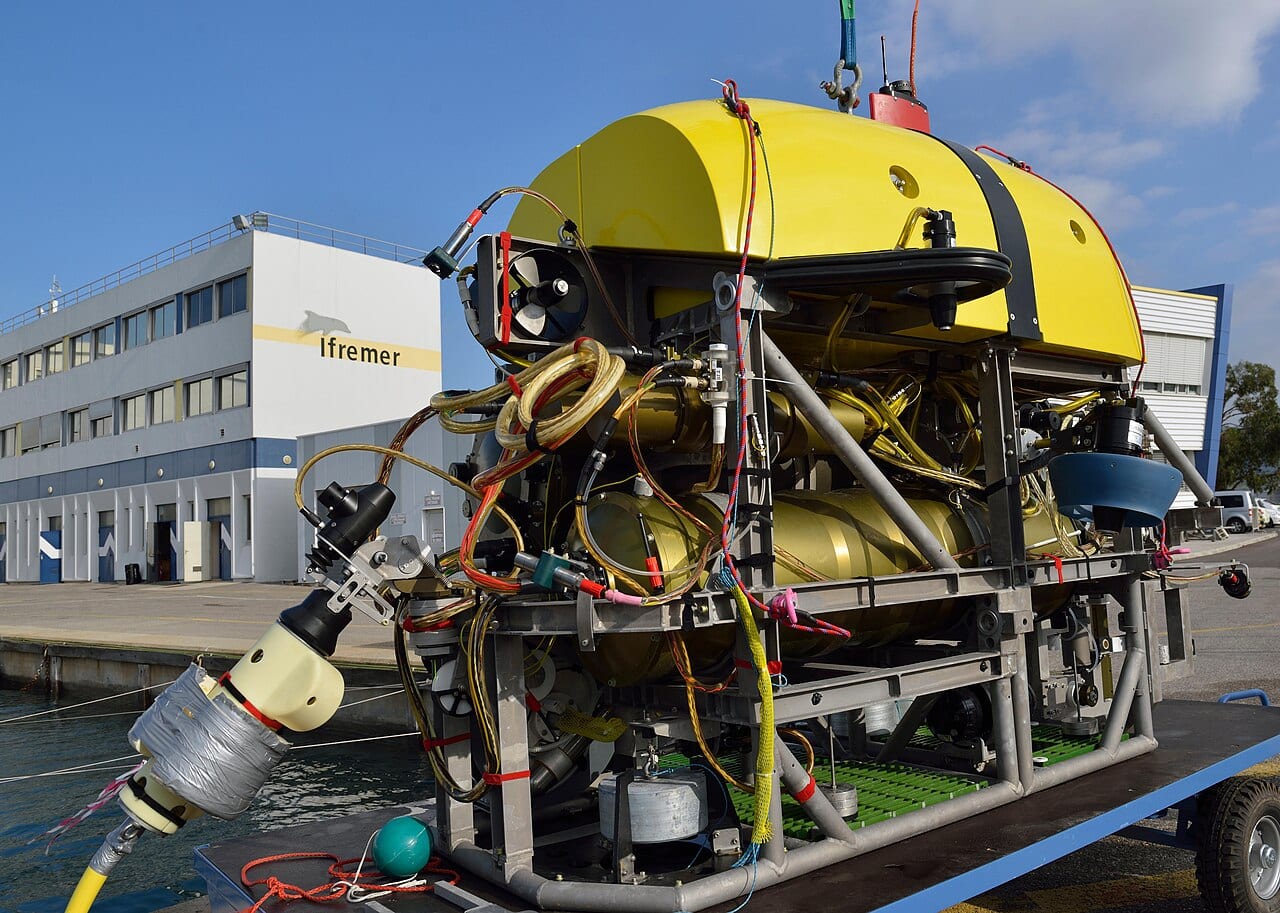
Training for ROV Pilots and Subsea Technicians
Mechanical, electrical or electronics training can provide a useful base. Employers may recruit technical trainees and build piloting skills through supervised work. Learn the system and evidence records as well as joystick control.
IMCA’s framework sets out workplace skills for pilot technicians. A short ROV course alone does not qualify you for every vehicle or repair task. Employers provide training on the system and offshore training. Medical and access needs depend on the vessel, region and travel method.
Challenges of Working as an ROV Pilot Technician Offshore
Visibility and current can make underwater work slow. A fault may begin in the vehicle, tether or surface gear, so the team needs a careful record. Weather also limits launch and recovery windows. Offshore shifts, crew changes and work away from family can be demanding.
Perks of Working as an ROV Pilot Technician
You combine hands-on technical work with a view of gear on the seabed. Piloting, fault finding and recorded evidence offer varied ways to develop. Experience can lead toward senior pilot or supervisory work.