What Does A Satellite Communications Technician Do?
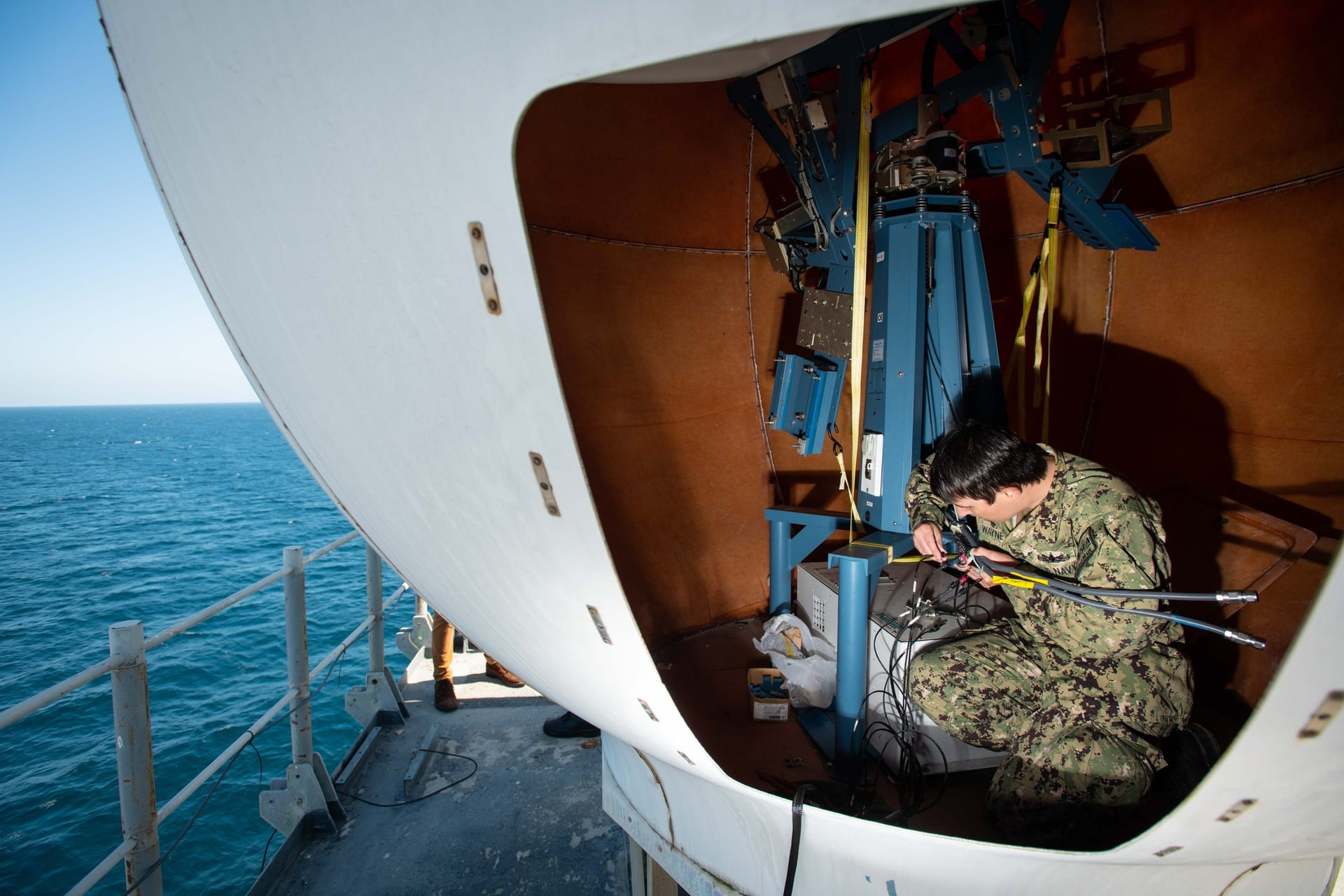
A satellite communications technician sets up and repairs links that connect remote oil and gas sites with the rest of the network. You might work on an antenna at a well site or on a vessel. The job is to help crews make calls and send data where a cable or cell signal may not reach.
Satellite Communications Technician Duties in Oil and Gas
A site needs more than a signal at its antenna. The technician checks the satellite terminal, power supply and the path into the local network. Then test whether users can make a call or send data. A working radio link does not prove every application is working.
When service drops, compare equipment logs with the time and pattern of the fault. A blocked view, rain, unstable power or a local network issue can call for different support. On a vessel, antenna tracking and changing obstructions add further checks. Report the evidence to the service provider when the fault lies beyond the site.
A field IT technician may support user devices. A network engineer helps with routing and backup links. Some terminals use a fixed dish, while others track satellites as the vessel moves.
Satellite Communications Technician Training and Career Path
Electronics, telecom or IT study can lead into the work. Build basic network skills alongside radio and power checks. Vendors can provide training on their terminals; the employer needs to assess practical skill before sending a hire alone to a remote site.
Antenna access can involve heights, electrical work or radio-frequency exposure. Each task needs the right controls and authority. Offshore visits can add medical and survival requirements. Network access also needs the company’s security rules; a service visit is not permission to change every connected system.
Challenges of Working as a Satellite Communications Technician
A fault may disappear before a technician reaches the site. Logs and a record of weather or vessel movement can help explain it. Remote work adds travel and time away from home. Crews may depend on the same link for both work and contact with family, which makes clear updates useful.
Perks of Working as a Satellite Communications Technician
You combine hands-on equipment work with network problem solving. The skill can carry across remote land sites and marine communications.