What Does a Scaffolder Do at an Oil and Gas Plant?
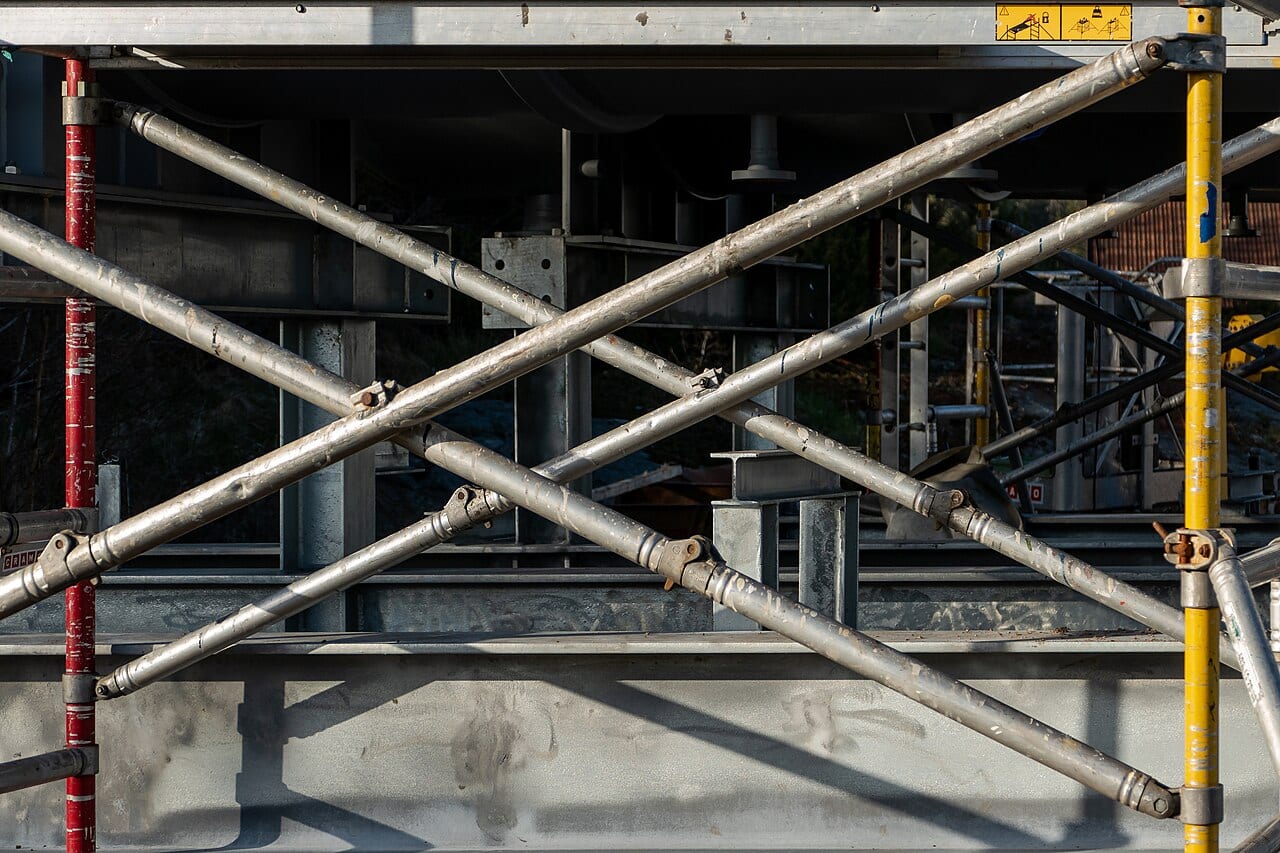
A scaffolder builds and takes down work decks that let crews reach pipe and equipment above the ground. They move parts to the work area and put them together under the scaffold plan. They help check that the finished deck matches what the crew needs before people use it.
How Scaffolders Give Plant Crews Access to Equipment
A scaffolder turns an access request into a structure the work crew can use. They read the scaffold plan, identify the parts and work with the team assembling the platforms. The design must fit the equipment, space and task. Reaching a pipe joint is different from providing a wide deck for a repair crew.
The work includes building, modifying and dismantling scaffolds within the approved plan. Crews keep track of parts and arrange access for other trades. A change requested by a user needs review through the scaffold team; moving a piece without that review can change the structure.
Aecon’s October 2026 post is for plant work in Fort Saskatchewan. It seeks workers at stated training levels. Other jobs focus on plant repairs or sea-based structures. Access and weather can change the work greatly.
What to Compare in Oil and Gas Scaffolder Pay
One dated example is Brand Energy’s Wood Buffalo agreement. In February 2024, its qualified-scaffolder base was CAD 48.40 per hour, before listed benefits. The agreement ended in January 2026. This is an old rate for qualified workers, not today’s offer or a trainee rate.
Scaffold trainees, qualified builders and crew leads can have different terms. Remote camp or hotel and meal allowances depend on the site, distance from home and what is supplied.
Training for Scaffold Work at Oil and Gas Plants
Employers may use recognised scaffold courses and records of your work at each level. Aecon’s example asks for proof of experience or an accepted ticket, plus named site courses. Those are the needs of that post. They are not one rule for every scaffolder.
In Canada and the U.S., training must fit the scaffold system, assigned task and local rules. Building access, inspecting it and designing a special arrangement are different duties. Employers may provide training and supervised work after hire.
Challenges of Working as a Scaffolder at an Oil and Gas Plant
The job combines work at height with frequent movement of parts. Tight plant spaces can make access harder, while wind or weather can interrupt the plan. Shutdown crews may work nights and long shifts. Travelling projects can mean time away from family and gaps between contracts.
Perks of Working as a Scaffolder
Your work gives other trades a way to reach equipment they could not otherwise service. Different plant layouts bring varied practical problems. Skills can carry between construction and maintenance projects. A local maintenance contract may offer a different routine from travelling shutdown work.