What Does a Seismic Interpreter Do?
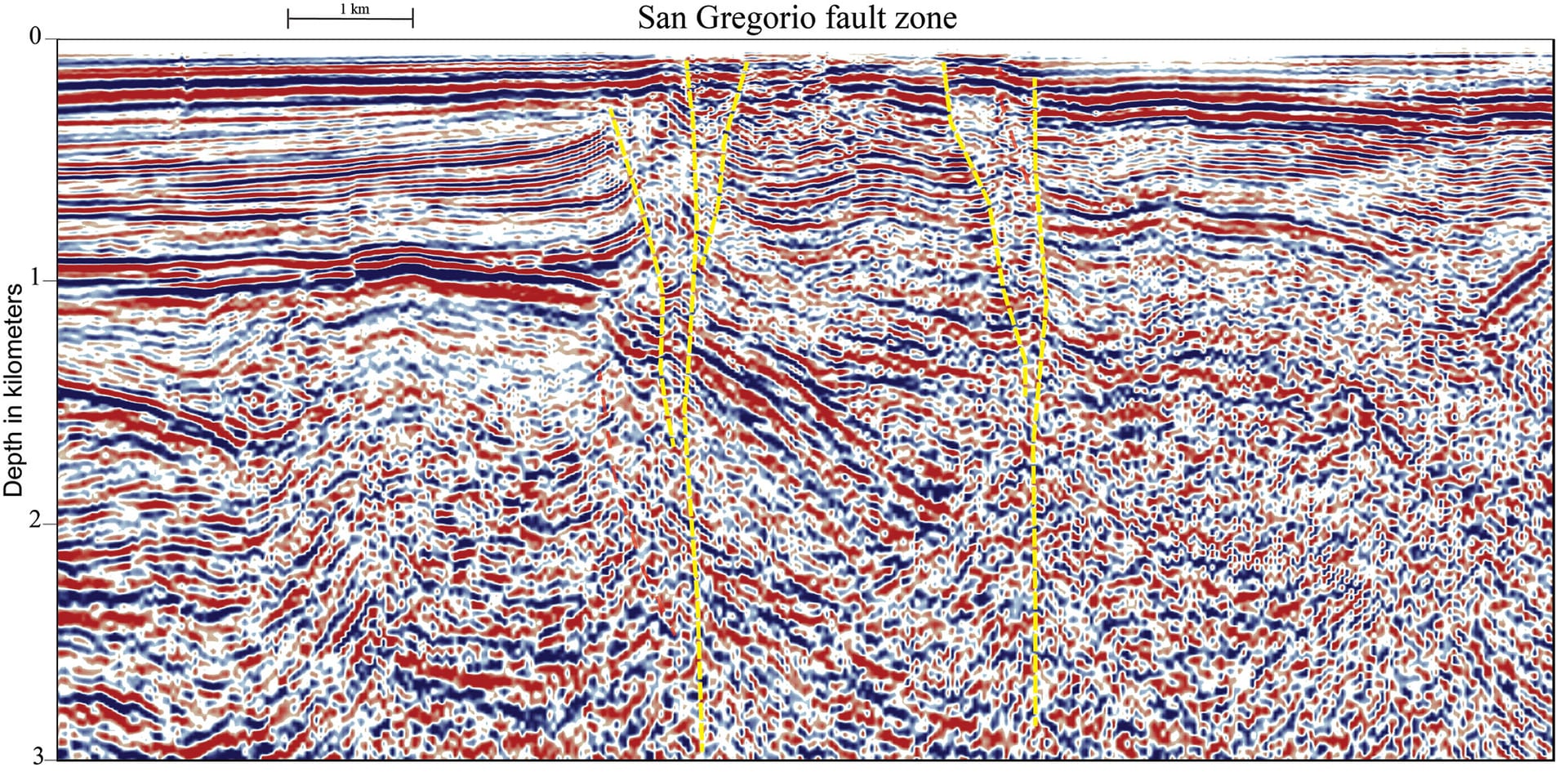
A seismic interpreter reads images made from waves that bounce off layers of rock. They pick out faults and layers on the images, then check their picks against wells where possible. Their maps help a team decide where oil or gas may be and where to drill next.
How Seismic Interpreters Map Rock Layers and Check Well Ties
The interpreter picks rock-layer boundaries and faults from seismic images, then checks how those picks fit nearby wells. A well tie links the log record with the seismic response. It helps the team avoid treating an image feature as the same rock layer everywhere without evidence.
They build maps and compare the interpretation with the geology team’s model. Seismic records often use travel time, while well plans need depth. The velocity model used to convert between them matters. Two plausible depth models may put a target in different places, so the uncertainty belongs in the result.
The work can support an exploration prospect or a known field. New wells, reprocessed data or a later survey may change an earlier interpretation. Keep the data version and reasoning for picks so another person can review them. Software-assisted picking helps with volume; the interpreter still needs to check what it has followed.
Seismic Interpreter Pay and Job Outlook
Alberta’s wider geoscience group earned CAD 28.85 to 117.95 per hour in Job Bank’s 2023–2024 data. The U.S. geoscientist middle-80% range was USD 28.52 to 96.26 per hour in May 2025. These include other geological and geophysical specialties.
Canada projects 4,400 openings in the wider group in 2026–2035, including 2,600 from retirements. The forecast does not isolate interpreters.
Seismic Interpreter Training and Career Path
Geophysics or a related earth-science degree is a common route. Learn waves, well ties, rock response and maps. Geological knowledge helps you decide whether a picked feature makes sense beyond the software display.
Employers can train staff in their interpretation package and review process. Early work should get experienced review, especially when data or depth control are weak. Professional geoscience rules depend on the region. A short software course does not replace the technical base or the registration a post requires.
Challenges of Working as a Seismic Interpreter
Some faults and layers are hard to see, and the image has limits in resolution and coverage. A confident-looking pick can carry an error into every later map. Long screen sessions also take close attention. The job needs time to test alternatives and explain which parts of the picture are less certain.
Perks of Working as a Seismic Interpreter
You can turn several kinds of data into a view the wider team can test. A new well provides a useful check on the prediction. Skills can lead toward prospect work, field studies or specialist geophysics.