What Does a Sideboom Operator Do on a Pipeline Crew?
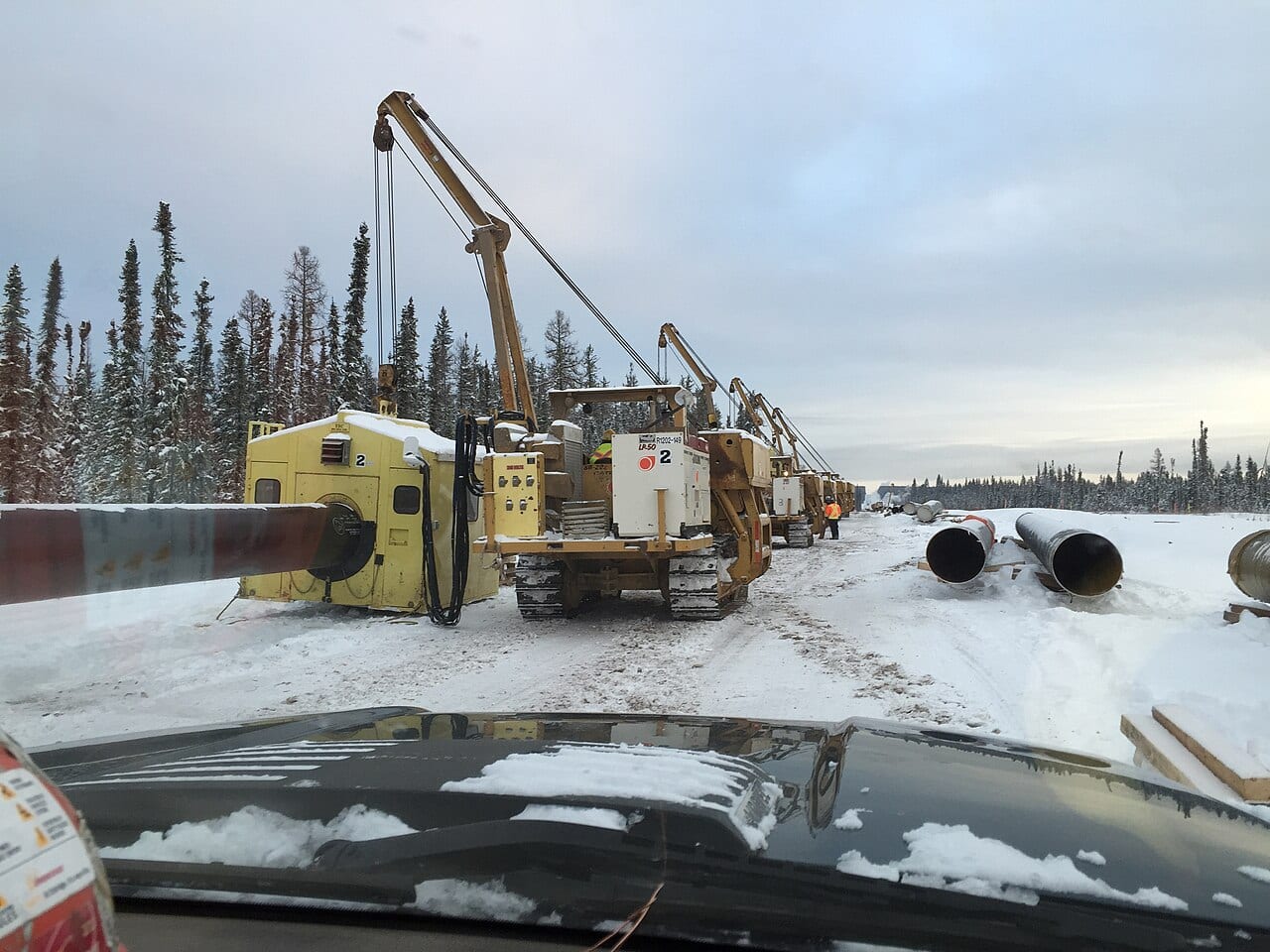
A sideboom operator drives a machine with a lifting boom on one side. On a pipeline job, they use it to lift and place sections of pipe. Several machines may share a long load, so the operator has to watch the ground, the load and the signals from the crew.
How Sideboom Operators Move Pipeline Loads With Crew Signals
The operator uses a tracked machine with a boom at its side to move pipe. Pipeline crews may use several machines on one long section. The operator needs the shared lift plan and clear signals. They need a view of the ground and nearby work before taking the assigned load.
They inspect the machine and report faults or ground changes to the crew lead. Work can include moving pipe along the route or supporting a lowering-in job. The pipeline foreman coordinates the crew. The operator follows the agreed signals and review system. They do not decide alone how the machines share a load.
At handover, the next operator needs machine findings and the status of the work area. Access, trench edges and nearby people can change during a shift. A machine card or past experience on another model does not remove the need to know the assigned unit and site plan.
Sideboom Operator Wages and Job Outlook
Alberta heavy equipment operators earned CAD 26.00 to 45.00 per hour in Job Bank’s 2023–2024 data. U.S. construction equipment operators earned USD 20.28 to 48.60 per hour for the middle 80% in May 2025. These are wider groups than one machine or oilfield task.
Canada projects 36,800 openings in the group in 2026–2035, including 15,600 from retirements. Construction, mining and other work are included. Camp or hotel, meals and travel support depend on the site and distance from home.
Heavy Equipment and Lift Training for Sideboom Operators
Heavy-equipment experience and machine-specific training provide a route. Employers may require proven sideboom time for complex pipe work. Learn inspections, load-plan communication and how to recognise changing ground conditions.
The employer checks skills and provides site training. Lifting rules and accepted tickets depend on the region and task. Sideboom equipment has its own requirements. A general mobile-crane credential may not cover the assigned work. Driving to remote sites may need further training or a different licence.
Challenges of Operating a Sideboom Along a Pipeline Route
Several machines and workers must move in step. Wet ground, slopes, snow and changing visibility affect the work area. Pipeline construction can involve long shifts and repeated moves along the route. Spring restrictions and rural access can delay equipment or extend time away from home.
Perks of Working as a Sideboom Operator
You build a specialist equipment skill with a clear place in pipeline construction. Work with other operators and rigging crews offers practical team experience. It can lead toward lead-operator or equipment-coordination work. Compare the project’s expected length and what happens when the spread moves.