What Does a Spill Response Coordinator Do in Oil and Gas?
A spill response coordinator helps an oil and gas company organize the work after a release. They track what spilled, where it went and which crews or equipment are on the way. They keep a record as work changes and pass updates to the people in charge of the site response.
How Spill Response Coordinators Organize Oilfield Cleanup
A coordinator may arrange pumps, trucks or field crews and help confirm where they can reach the site. They track when calls go out and what the responders find. An HSE advisor can help check work site risks. A crisis management lead may arrange support from elsewhere in the company for a major spill.
The working picture changes as crews report back. Keep a map or location log beside the resource list so the team can see which people and equipment are assigned to each area. Record requests that are still open. A truck said to be 'on the way' needs a destination and a contact who is expecting it.
On a larger event, the response may use an incident command system with named operations, planning, and logistics duties. A company coordinator works within that structure. Government leads and scientific support staff can have separate roles. Knowing who needs each update helps avoid conflicting requests to field crews.
The handover into longer cleanup work is another task. Teams need the history of affected areas, work already done, waste movements, and issues still open. The right environmental and response specialists set the technical work. The coordinator keeps the information and resources ready for those choices.
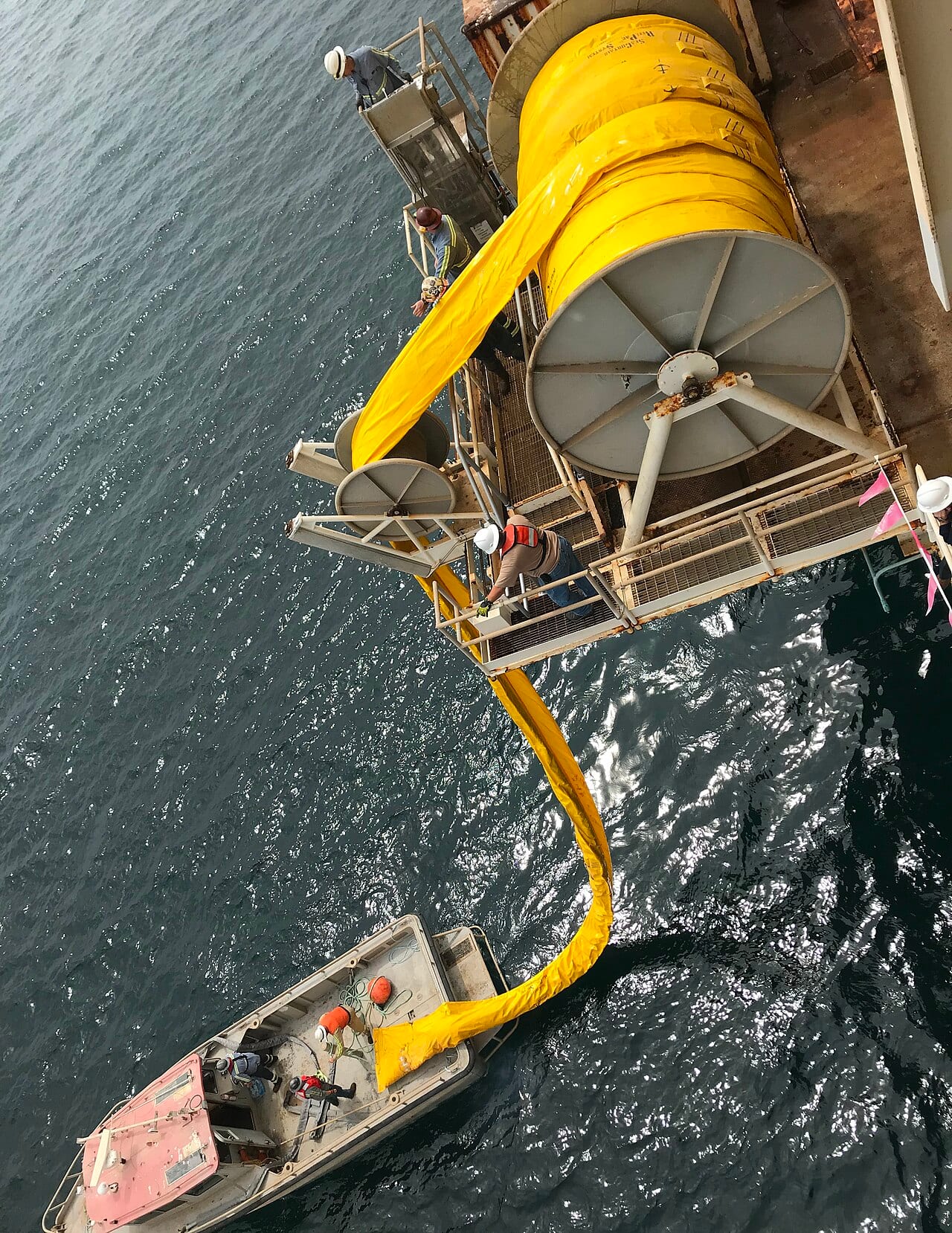
Spill Response Coordinator Training for Oil and Gas Work
Field response, environmental, or logistics work can give you a base. Training depends on your response duty and exposure. In the U.S., HAZWOPER requirements vary by the work covered, with different roles in emergency response and cleanup. A single course length does not cover every assignment.
Challenges of Oil and Gas Work for Spill Response Coordinators
Access can get worse as weather changes. Records may come in from several crews at once. You need to keep the team clear on who is working where and where help is still needed.
Available equipment may be far from the place it is needed. You may spend long hours checking access, arrival times, and changing requests. Keeping a clear resource log is especially useful when a relief team arrives with little time to learn the site.
Perks of Oil and Gas Work for Spill Response Coordinators
The role combines practical field knowledge with planning and communication. Exercises let you get to know responders and suppliers before a callout. Experience can support a move into emergency planning or environmental response management with the relevant technical training.