What Does a State Oil and Gas Inspector Do in U.S. Oil and Gas?
A state oil and gas inspector checks wells and related sites for a U.S. state agency. The work can cover drilling, production, spills and well closure. The inspector visits sites, reviews records and writes down what they find. Each state sets the inspector's duties and the rules it expects operators to follow.
What State Oil and Gas Inspectors Check at Wells
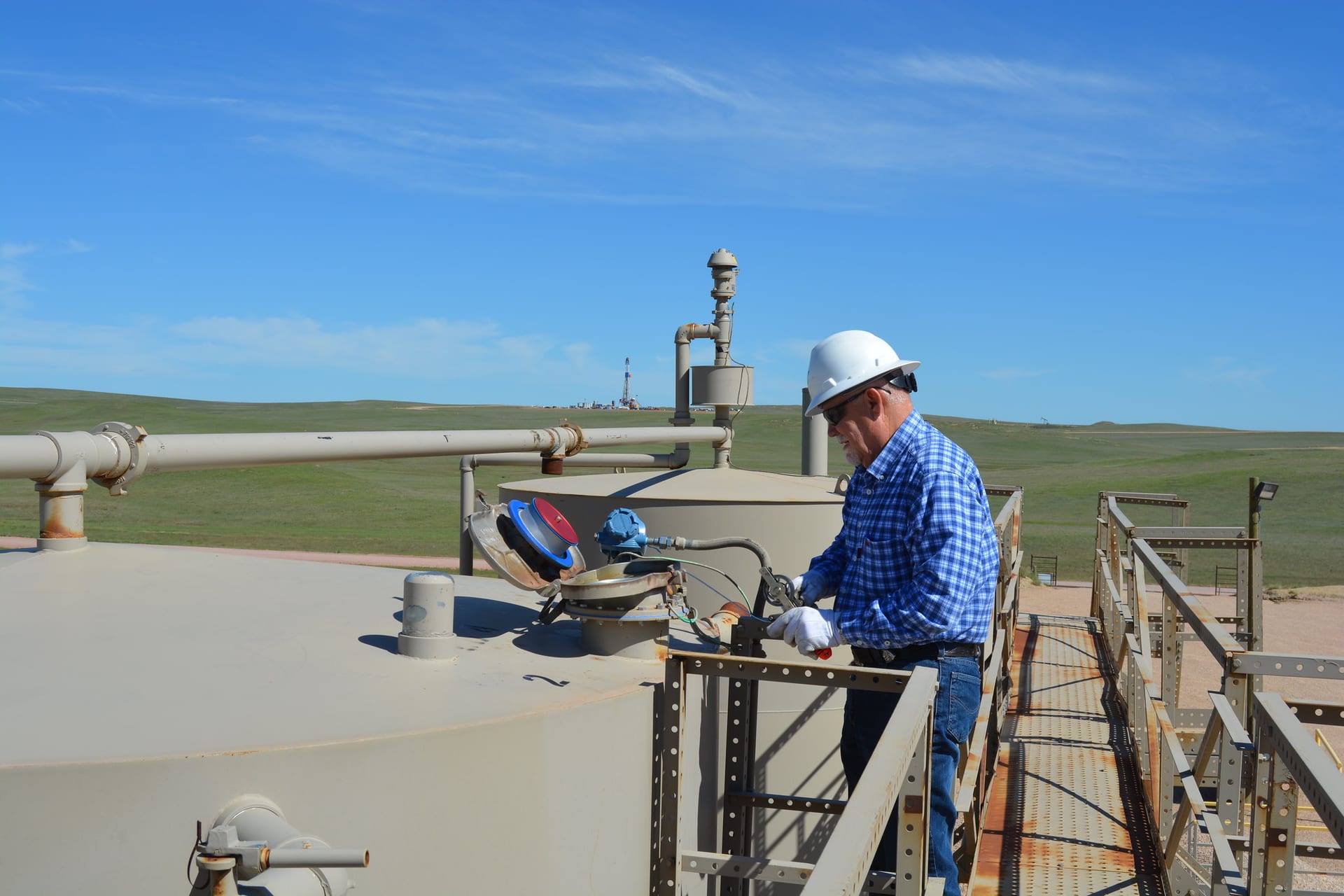
An inspector may visit a site after a complaint or check whether well work matches the state's records. They may ask an operator for test results or details on a release. An OSHA compliance officer handles worker safety under a different scope. A BSEE inspector works in federal offshore oversight.
The work depends on the state and your district. In Texas, Railroad Commission inspectors record checks of leases, wells, facilities, and other oil and gas sites. Work can involve routine visits, complaints, spills, or notified jobs such as plugging and tests. State law sets the powers you use.
A lease check can cover signs, leaks and waste handling. Match the site to its well or lease number and the operator on record. Field notes and photos link each finding to that file.
Texas lets the public look up completed site checks and recorded violations. An empty field can mean the inspector could not get that information during the visit. Field notes and follow-up help explain the gap.
State Oil and Gas Inspector Salaries in the U.S.
Pennsylvania’s September 2026 Oil and Gas Inspector recruitment listed USD 60,538–92,010 per year. The entry salary for new state hires was USD 60,538.
State Oil and Gas Inspector Training for U.S. Oil and Gas Work
Pennsylvania’s 2026 role accepted three years of technical oil and gas work. Another route was a related associate degree plus one year in that work. It could cover drilling, completions, production, well closure or gas storage. A valid driver’s licence was required.
Arkansas’s November 2026 Inspector II role required high school completion or a GED. It asked for four years in inspection, quality control, audit or compliance work. An Arkansas driver’s licence was also required. Experience checking producing and abandoned wells was preferred.
Challenges of U.S. Oil and Gas Work for State Oil and Gas Inspectors
A district can contain active drilling, older producing wells and sites with incomplete records. A spill or complaint can displace planned visits. Discussions with operators and members of the public need clear notes that distinguish what was observed from what someone reported.
Perks of U.S. Oil and Gas Work for State Oil and Gas Inspectors
The Pennsylvania example was a permanent role with weekday hours from 8 a.m. to 4 p.m. Telework from an approved location within the state was possible.