What Does A Subsea Construction Engineer Do?
A subsea construction engineer helps build oil and gas systems on the seabed. You plan how vessel crews will fit pipe, frames, and other parts together. The job can take you from a yard test to the work offshore, where you help the crew solve problems it could not test on land.
Subsea Construction Engineer Duties in Oil and Gas
The job links engineering plans with work done from a construction vessel. You review drawings, task plans and the equipment needed to fit parts together offshore. The scope can include pipe, seabed frames or connections between systems. Some employers use construction and installation engineer for much the same work.
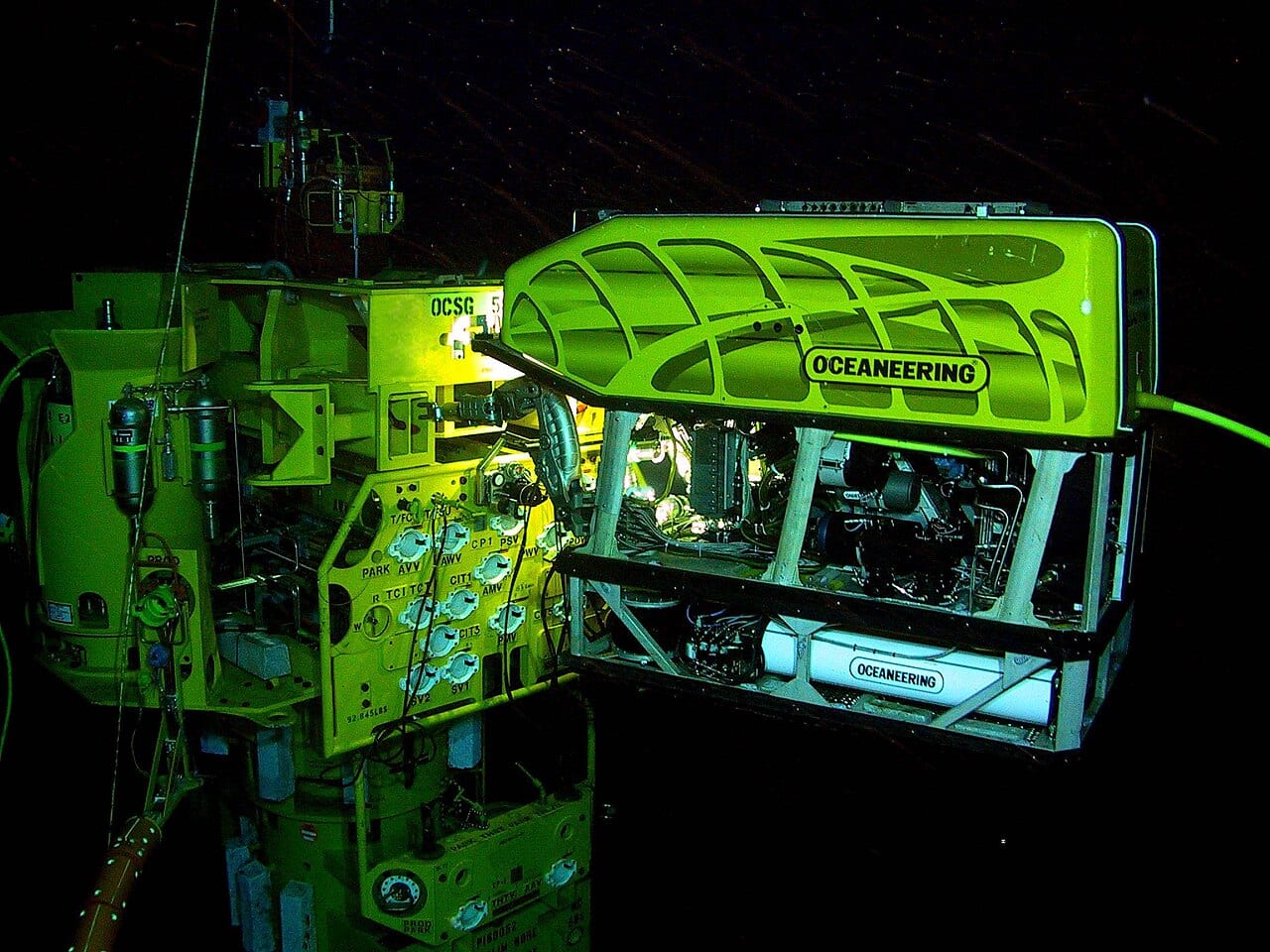
Before a campaign, check whether the tools and test plans suit the equipment supplied. Work with yard teams and vendors to close open questions before the vessel leaves. A ROV supervisor can help assess what the underwater vehicle must see or reach during the job.
Offshore, keep field results and approved changes linked to the right drawing or task record. An unexpected fit or seabed condition may need a fresh engineering review. The vessel crew keeps its command and task authority. Engineering support does not give one person control of every offshore operation.
Subsea Construction Engineer Training and Career Path
Mechanical, civil or ocean engineering can lead into this work. Junior roles can start with calculations, equipment lists and plans checked by a senior engineer. Yard tests and vessel trips help show where a drawing leaves a practical question unanswered.
Offshore medical clearance and safety courses depend on the region and client. Task plans still need the project’s checks and approvals. Experience on one type of pipe or vessel does not qualify someone to approve every subsea construction method.
Challenges of Working as a Subsea Construction Engineer
A missing tool or late part can change the order of work at sea. You need to check how that change affects equipment already installed, not just the next task. Campaign work can mean long days and uncertain return dates.
Perks of Working as a Subsea Construction Engineer
You follow engineering work through yard checks and offshore use. That gives practical experience for future design or construction planning.