What Does a Subsea Engineer Do?
A subsea engineer helps design, install or care for oil and gas gear on the seafloor. They check how valves, pipes and controls work together. The job can include work in an office, a test shop or on a vessel while a crew puts the equipment in place.
How Subsea Engineers Check Oilfield Equipment Interfaces and Tests
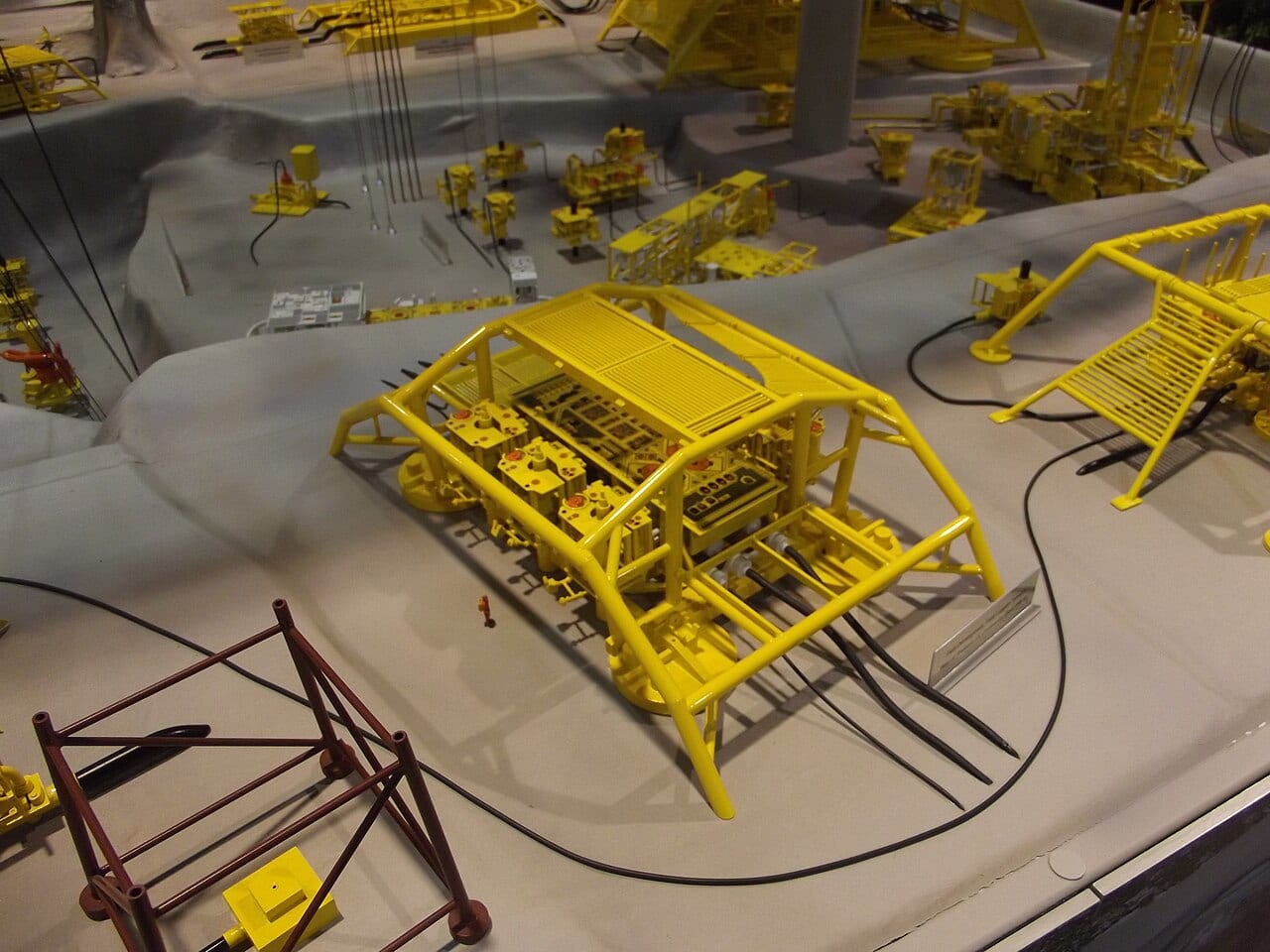
The engineer checks how seabed equipment works as a system. A subsea Christmas tree links the well with controls, flowlines and other equipment. The design needs a record of how each part connects. It must show what every part needs to do.
They review supplier drawings, test plans and the sequence of project handovers. A valve or control can pass its own test while a mismatch remains at the connection. Combined tests and shared design records help the team find those gaps before the equipment goes offshore.
Subsea production systems engineer is often shortened to SPS engineer. That scope joins the tree, controls and field links. Other subsea posts focus on one product or installation work. A ROV supervisor leads the crew using the underwater robot; the engineer works with that team on equipment and access needs.
Subsea Engineer Pay and Job Outlook
For petroleum-engineering context, Newfoundland and Labrador’s range was CAD 38.46 to 72.12 per hour in Job Bank’s 2023–2024 data. The U.S. middle-80% petroleum-engineer range was USD 39.16 to 121.73 per hour in May 2025. These cover other well and field specialties too.
Canada projects 2,100 openings for petroleum engineers in 2026–2035. That includes 1,300 from retirements. The forecast is national, not a subsea hiring total. Other pay groups may fit mechanical design or vessel jobs better.
Subsea Engineer Training and Career Path
Mechanical, offshore or a related engineering degree can provide a base. First assignments may cover drawings, tests or field support under senior review. Learn how the well, product and vessel teams exchange design information.
Employers may teach their equipment and project records. Local rules govern who can do and approve the work. Offshore posts also need the relevant medical and access training.
Challenges of Working as a Subsea Engineer
Deep water makes an overlooked connection or failed part costly to reach. Weather, vessels and spare parts can limit repair options. You need to plan access and keep test records useful for later service. Offshore assignments also mean long shifts and time away from friends and family.
Perks of Working as a Subsea Engineer
You can work across several types of equipment or develop one product specialty. The project links office design with factory tests and offshore use. Experience can lead toward systems review or project support. Some posts include regular sea time, while others visit only for tests or installation.