What Does a Subsea Tree Engineer Do?
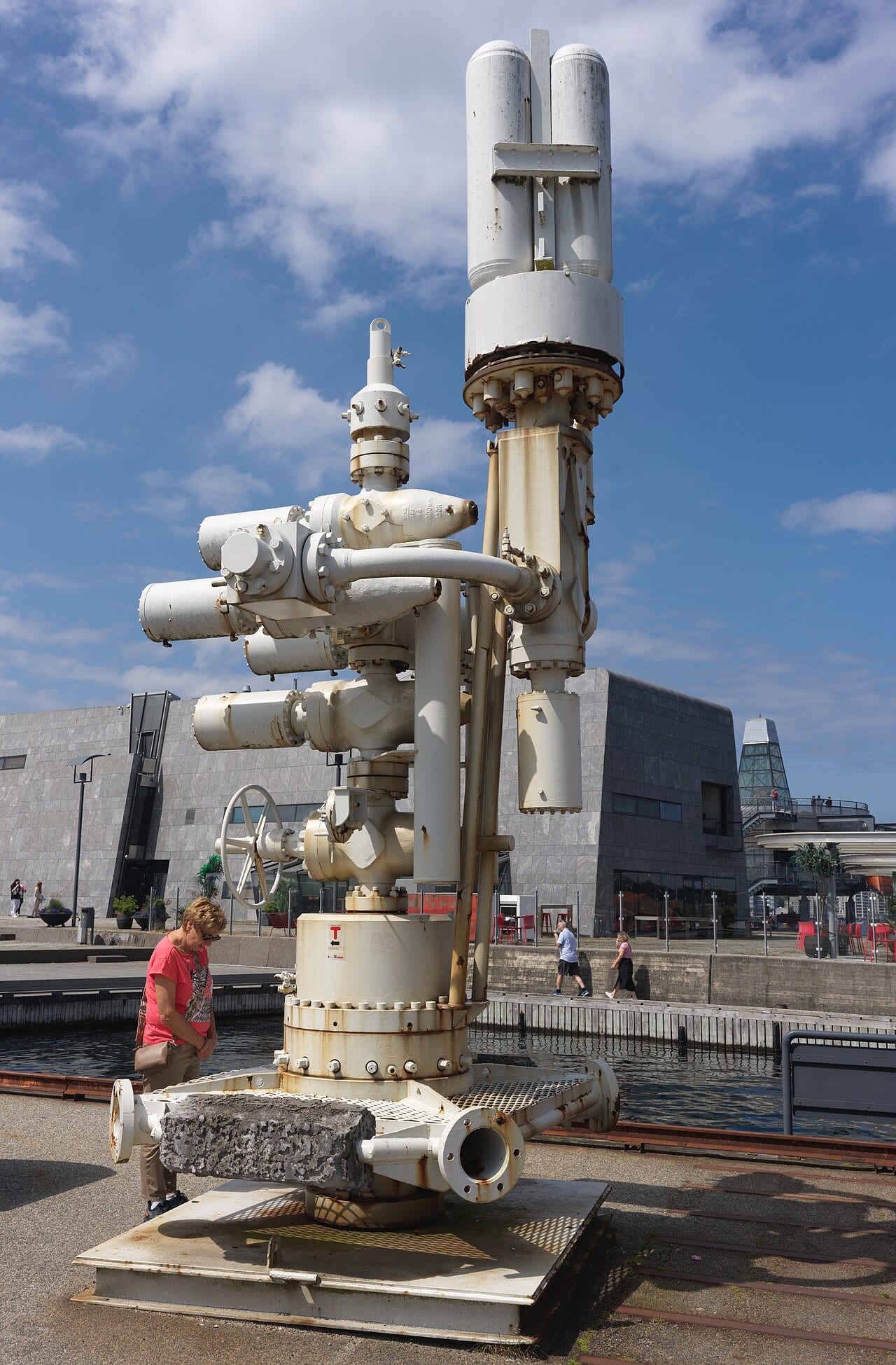
A subsea tree engineer works on the set of valves and controls that sits on top of an oil or gas well on the seabed. The tree lets the crew start, stop, and monitor flow. You help check that its parts can hold pressure and work with the gear around the well.
How Subsea Tree Engineers Review Well Equipment and System Tests
The engineer reviews the valve assembly that controls flow at a seabed well. They check the design duty, materials and interfaces with the wellhead, controls and flowline. The tree must fit the well and the equipment used to install or service it.
They work with suppliers and a subsea controls engineer on commands, feedback and connections. Individual parts need tests, but the joined system also needs checks. Test records must show which design version, equipment and conditions were checked.
They review factory findings with the team. They check how the equipment fits the plan for offshore work. Later service may involve repairs, replacement parts or a change in well duty. The review must show whether the existing evidence still applies. Product design, field service and control-room work have different duties.
Subsea Tree Engineer Pay and Job Outlook
For broad mechanical-design context, Alberta mechanical engineers earned CAD 33.65 to 96.15 per hour in Job Bank’s 2023–2024 data. U.S. mechanical engineers earned USD 35.57 to 79.01 per hour for the middle 80% in May 2025. These are not subsea-tree-only rates.
Canada projects 12,800 openings in the mechanical group in 2026–2035, including 6,100 from retirements. Travel days, site allowances and on-call terms can make a difference.
Subsea Tree Engineer Training and Career Path
Mechanical or a related engineering degree can lead into product design. Learn pressure equipment, materials, drawings and test planning. Shop time helps you understand assembly and the access the field crew will need.
Employers teach their tree families and design records. Local rules govern engineering practice. Offshore visits need the relevant medical and access training. A service-engineer post may focus on running or maintaining the equipment instead of designing it, so check the job’s scope.
Challenges of Working as a Subsea Tree Engineer
A part can work by itself and still create a problem when joined to the rest of the tree. Offshore repairs also need suitable tooling and vessel access. Late changes may affect tests already booked. Clear records and contact between design, shop and field staff matter throughout the project.
Perks of Working as a Subsea Tree Engineer
You can follow equipment from design to factory testing and use offshore. The work brings valves, controls and well interfaces into one product. It can lead toward product expertise or wider subsea systems work. The amount of offshore time depends on whether the post is design or service focused.