What Does an Oil Sands Tailings Operator Do?
An oil sands tailings operator works with the sand, clay and water left after a plant takes bitumen from the ore. They may check pumps and lines, record levels or help run a treatment unit. Some jobs focus on field rounds. Others are based at a process plant.
Key takeaways
- Tailings jobs can cover line patrol, fine tailings treatment or mine equipment.
How Tailings Operators Check Lines, Pumps and Water
Tailings work includes several jobs. A line crew handles slurry piping, a process crew runs treatment equipment and an equipment operator may work with a dozer or excavator. One title does not make all those workers part of the same training or pay group.
Field rounds can cover pumps, lines and levels. Record a leak, worn section or blocked route so the lead can plan further checks. Process staff also keep sample and operating records. Sand can wear equipment, while changes in water and solids affect how the material moves.
Work with maintenance, mine and water teams under the site’s plan. A tailings operator does not independently decide where a pond or storage area should be built. Engineering and approval duties sit elsewhere. Clear handovers help teams track equipment out of service and work that continues across shifts.
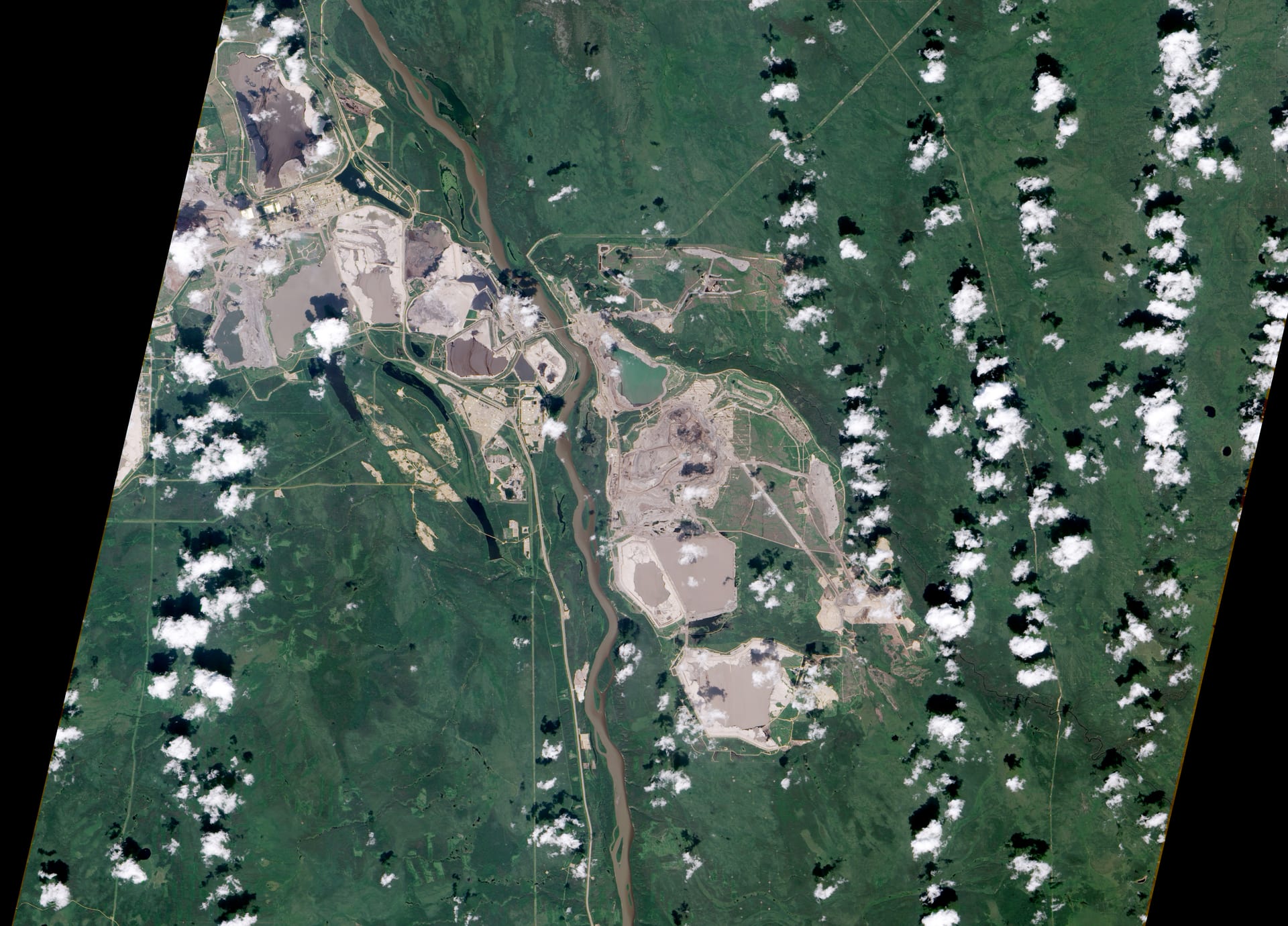
Field and Process Training for Oil Sands Tailings Operators
Pump, plant or mine work can lead into the field. Employers teach their rounds, equipment and reporting system. Machine roles need skill checks on the actual equipment. A process qualification does not automatically qualify someone to run a dozer, and the reverse is also true.
Work near water, moving equipment and slurry lines needs site controls. Dust and other exposures depend on the area and task. Learn the assigned access rules and how to report a change. Design or repair decisions still need the people with the right authority.
Challenges of Handling Oil Sands Tailings
A long field route can be hard to reach after rain, snow or changes in site traffic. Equipment wear can create recurring work, and a line outage can affect where the plant sends material. Northern shifts and camp rosters can also mean poor sleep or long stretches away from home.
Perks of Working as an Oil Sands Tailings Operator
You see how a mine handles water and the material left after extraction. Experience can support water operations, another process unit or field supervision.