What Does a TCP Engineer Do on an Oil or Gas Well?
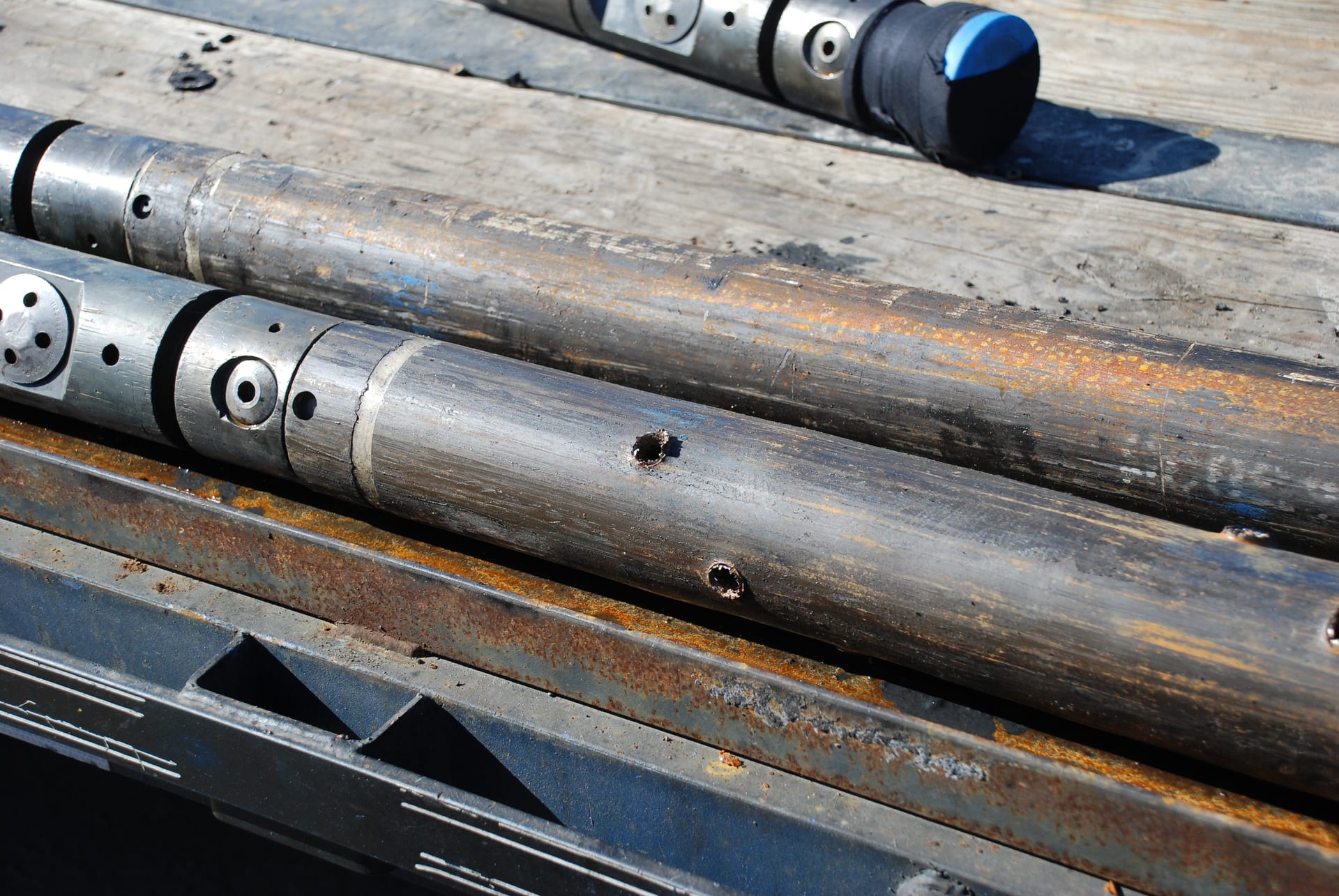
A TCP engineer plans tubing-conveyed perforating. The crew takes perforating guns down the well on tubing to make openings through the casing and into the rock. The engineer helps choose the gear, checks that it can reach the right depth and reviews the job with the rig and service crews.
How a TCP Engineer Plans a Perforating Job
Review the well drawing and target intervals with the completions team. Check equipment fit. Confirm the depth reference used in the job plan. Tubing-conveyed services can support long intervals or difficult well paths. Equipment choice still depends on the well and the planned result.
Coordinate the service design with the rig and perforating teams. Keep tool lists and revisions tied to the current plan. If conditions or equipment change, bring the change into the project’s review before crews rely on an earlier version.
After the work, help record which intervals were treated and any departures from the plan. A completion engineer may lead the wider well program. TCP engineering covers a particular service; the rig and authorized explosives personnel have separate duties.
Perforating Training and Experience for TCP Engineers
Completions engineering or experience in perforating services can provide a route. Learn the employer’s tools and service-planning process. Junior staff may help with records and design checks. Later, they may take responsibility for a field assignment.
Explosives handling needs its own training and approvals. Well-barrier and site training must also fit the assigned job. Some roles combine office design and field work; others specialize in one.
Challenges of Planning TCP Jobs at Oil and Gas Wells
Several crews can be waiting for the same well slot. A long assembly and limited rig space complicate planning. The engineer needs the right well data. Revisions need a clear review and communication process. Field support can include night calls and travel when the rig schedule moves.
Perks of Working as a TCP Engineer
You see how well geometry and equipment choice affect access to target rock. The role connects technical planning with field results. It can build experience for wider perforating or completions work, with further training for the added scope.