What Does an Oil and Gas Tender Coordinator Do?
An oil and gas tender coordinator helps a team submit a bid for work. They check what the buyer asks for, who will write each part, and when reviews are due. The coordinator tracks the files and makes sure the team knows how and when to send the bid.
Tender Coordinator Duties on Oil and Gas Bid Submissions
The coordinator turns the buyer’s request into a list of files, owners and review dates. A bid from a drilling contractor may need prices, technical scope and proof of past work. The coordinator tracks new instructions and clarifications so the team uses the current forms and answers the actual request.
A proposal writer prepares text, while an estimator develops costs. The coordinator checks that references, attachments and approved versions fit together. They arrange the submission through the buyer’s stated channel and archive the final bid. After an award, the project team needs the terms and promises that were included.
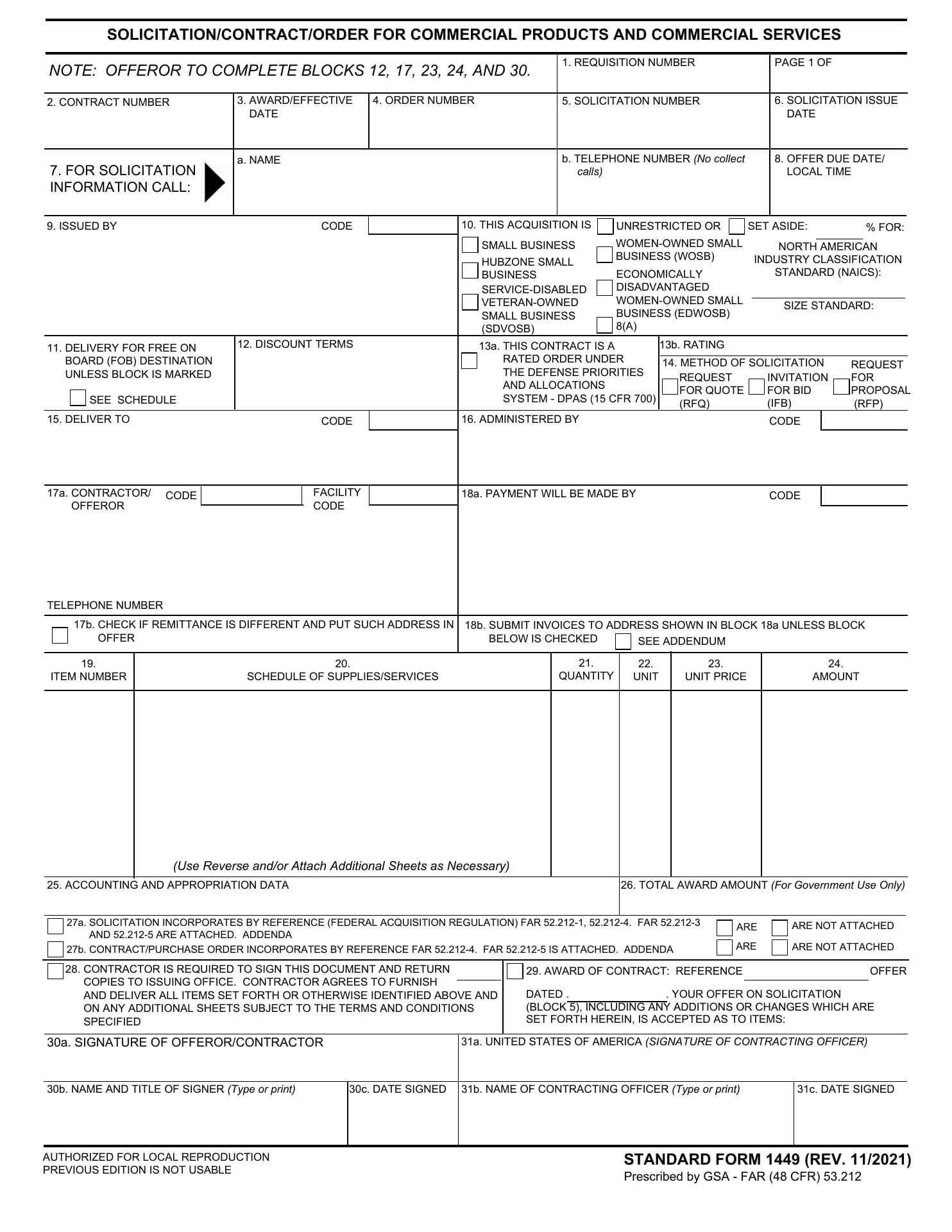
Skills and Training for Oil and Gas Tender Coordinators
Office, project or sales support can provide a route. Learn version control, clear writing and how to plan review time before a deadline. Employers teach their tender workspace and submission tools. The coordinator tracks approvals; technical and commercial owners remain responsible for their inputs.
Challenges of Submitting Oil and Gas Tenders
A late price or legal review can affect several parts of a bid. A buyer may also change the request close to the deadline. The coordinator needs to flag what is still missing and which version is approved. Several bids at once can mean competing deadlines and extra hours around submissions.
Perks of Working as an Oil and Gas Tender Coordinator
You see how a service firm turns its equipment and experience into an offer. The work builds knowledge of bids, review planning and project handovers. It can lead toward proposal management, sales support or contract work.