What Does a Thermal EOR Engineer Do?
A thermal EOR engineer helps an oil field use heat to make thick oil flow more easily. EOR stands for enhanced oil recovery. The field may use steam in paired wells, one well in cycles, or a group of wells. You compare how each approach could work in the rock.
Steam Recovery Studies and Field Reviews for Thermal EOR Engineers
Assess how heat could improve oil recovery in the assigned reservoir. Review rock and fluid data, then compare possible thermal processes. SAGD, cyclic steam and steamfloods use different well patterns and operating cycles.
Use field data and models to compare oil output with steam and water needs. Work with geology staff on where heat may move. Check with facility staff on what the plant can supply. Track the assumptions used to forecast recovery. Record the expected energy use too.
For an operating asset, compare pressure, temperature and production across wells or pads. Investigate uneven response with operations and production staff. Review proposed changes with the site team. They need to fit the reservoir limits and the site’s approval process.
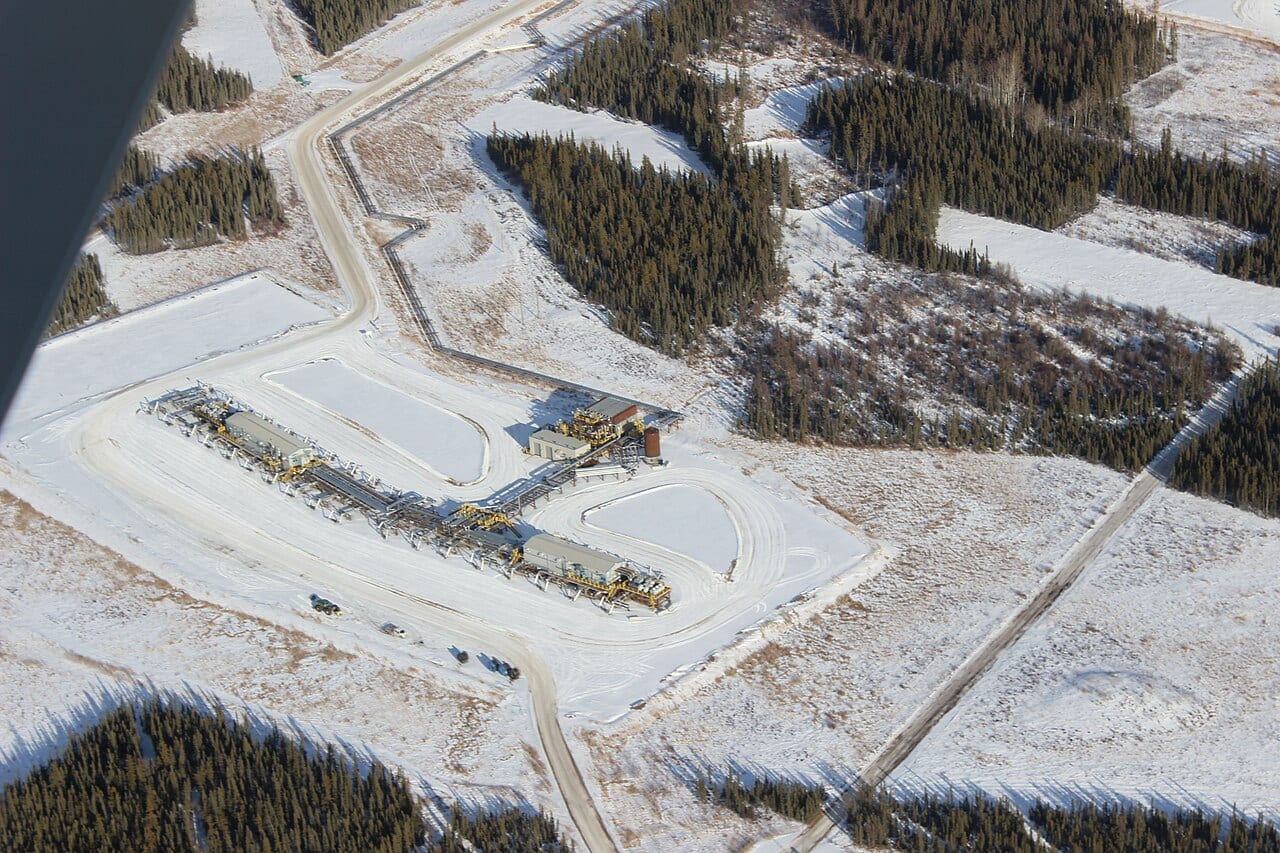
Thermal EOR Engineer Pay and Job Outlook
Job Bank lists CAD 46.67 to 96.15 per hour for petroleum engineers in Alberta for 2023–2024. In May 2025, the middle 80% of U.S. petroleum engineers earned USD 39.16 to 121.73 per hour.
Canada forecasts 2,100 openings in this broad group over 2026–2035. Around 1,300 are due to retirement. These are group totals across specialties.
These figures cover petroleum engineers more broadly.
Thermal EOR Engineer Training and Career Path
Petroleum, chemical or related engineering study can lead into thermal work. Study heat transfer and reservoir flow. Learn to build and check models. Junior staff may check field data and update forecasts before leading studies.
Senior SAGD posts can require experience with a field in service. Modelling skills matter too. Those requirements vary for junior roles and other thermal methods. Field visits help connect the well measurements with steam, water and plant constraints.
Challenges of Working as a Thermal EOR Engineer
Heat moves through rock over time, so the response to a change may not be immediate. Uneven steam distribution and uncertain rock connections complicate the picture. Compare several readings and time periods before linking a rate change to one cause.
Perks of Working as a Thermal EOR Engineer
The work connects reservoir studies with the practical limits of wells and a steam plant. You can follow a project from early studies to start-up. Later reviews test how it performs. Alberta’s in situ oil sands provide a major setting for this specialty.