What Does a Toxic Gas Detection Technician Do in Oil and Gas?
A toxic gas detection technician checks and services gear that warns oil and gas crews about harmful gas. The job can cover hand-held monitors, fixed sensors or both. A technician keeps track of which units pass a test, which need repair and when gear is due to be checked again.
What Toxic Gas Detection Technicians Check at Oil and Gas Sites
The technician may check a portable unit at the shop or help test a fixed alarm at a plant. They match the sensor to the gas it is meant to detect and log its test status. A fire and gas engineer may review the design. A breathing air technician and fire system technician work on other parts of the safety system.
A bump test checks that a detector responds to the test gas and gives an alarm. Calibration checks and, where needed, adjusts its reading against a known gas. Those terms describe different checks. The service record needs to say which was done and whether the unit passed.
The technician tracks the detector's number, sensor type, and service history. Test-gas details and the equipment used for the check also matter. A missing or expired test supply can hold up a check even when the detector appears to work. Use the method and limits set for the exact model you service.
A fixed detector adds another link to the job. Its signal may go to an alarm panel or plant control system, so work is coordinated with operations. Record any item still out of service when you hand over. Repairing a detector and deciding whether a work area is safe to enter are separate duties with their own authority.
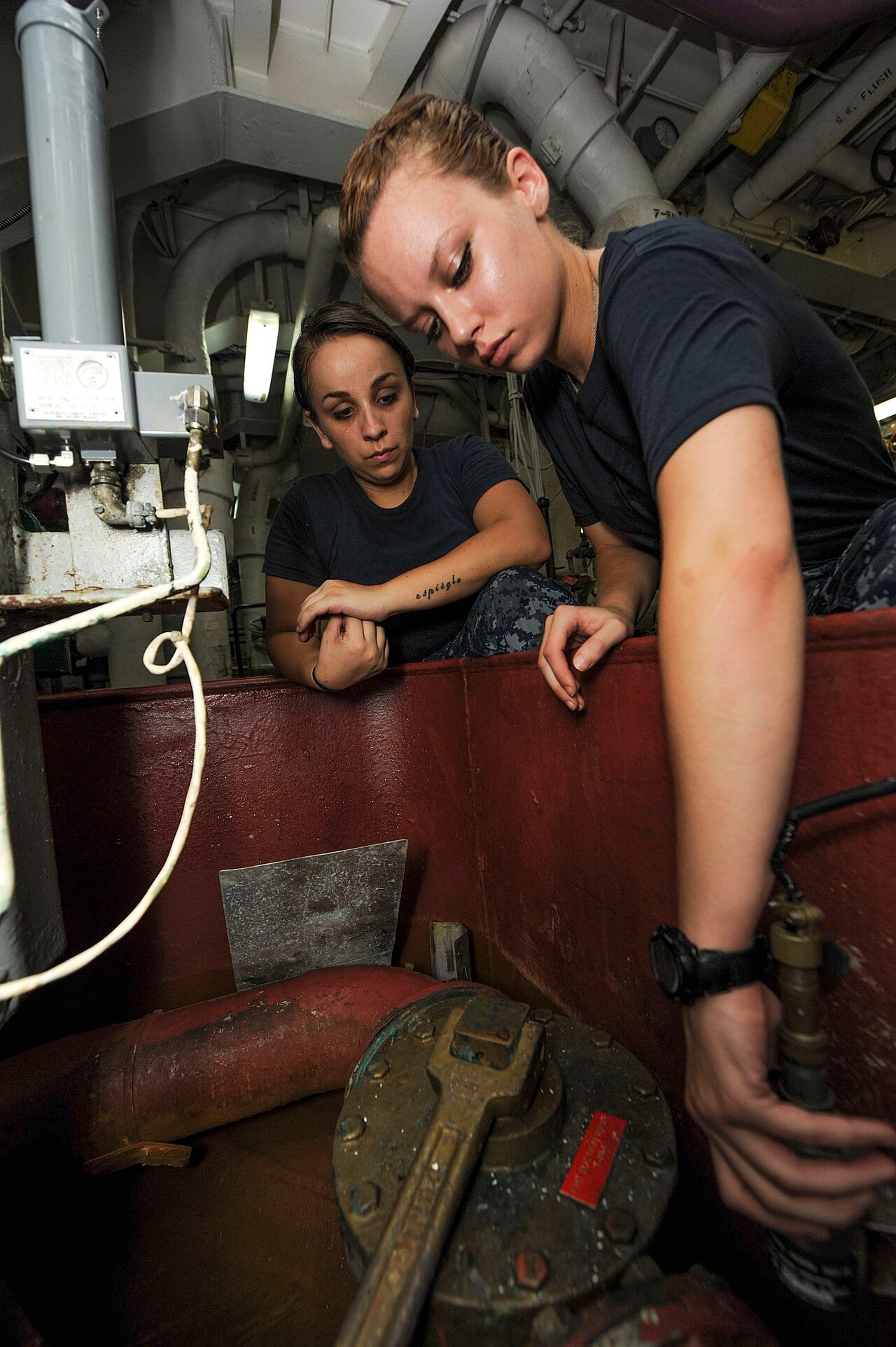
Toxic Gas Detection Technician Training for Oil and Gas Work
A portable rental fleet can offer supervised shop experience. Fixed-system posts may call for instrumentation, electrical, or controls skills. Manufacturer training helps with model-specific checks and repairs.
Challenges of Oil and Gas Work for Toxic Gas Detection Technicians
A failed test can keep a crew from starting its work. You need to tell the crew which gear is out of service and record what needs to be done before it can go back.
Rental gear can come back wet, dirty, or with an unclear fault report. You have to keep the failed units apart from ready stock while getting useful details from the user. Field posts add callouts and coordination with the plant's test window.
Perks of Oil and Gas Work for Toxic Gas Detection Technicians
You can build a useful mix of sensor knowledge, troubleshooting, and equipment records. Work on different models can support a move toward a lead service role or wider instrument work, with further trade training where that work requires it.