What Does an Underwater Welder Do on Offshore Jobs?
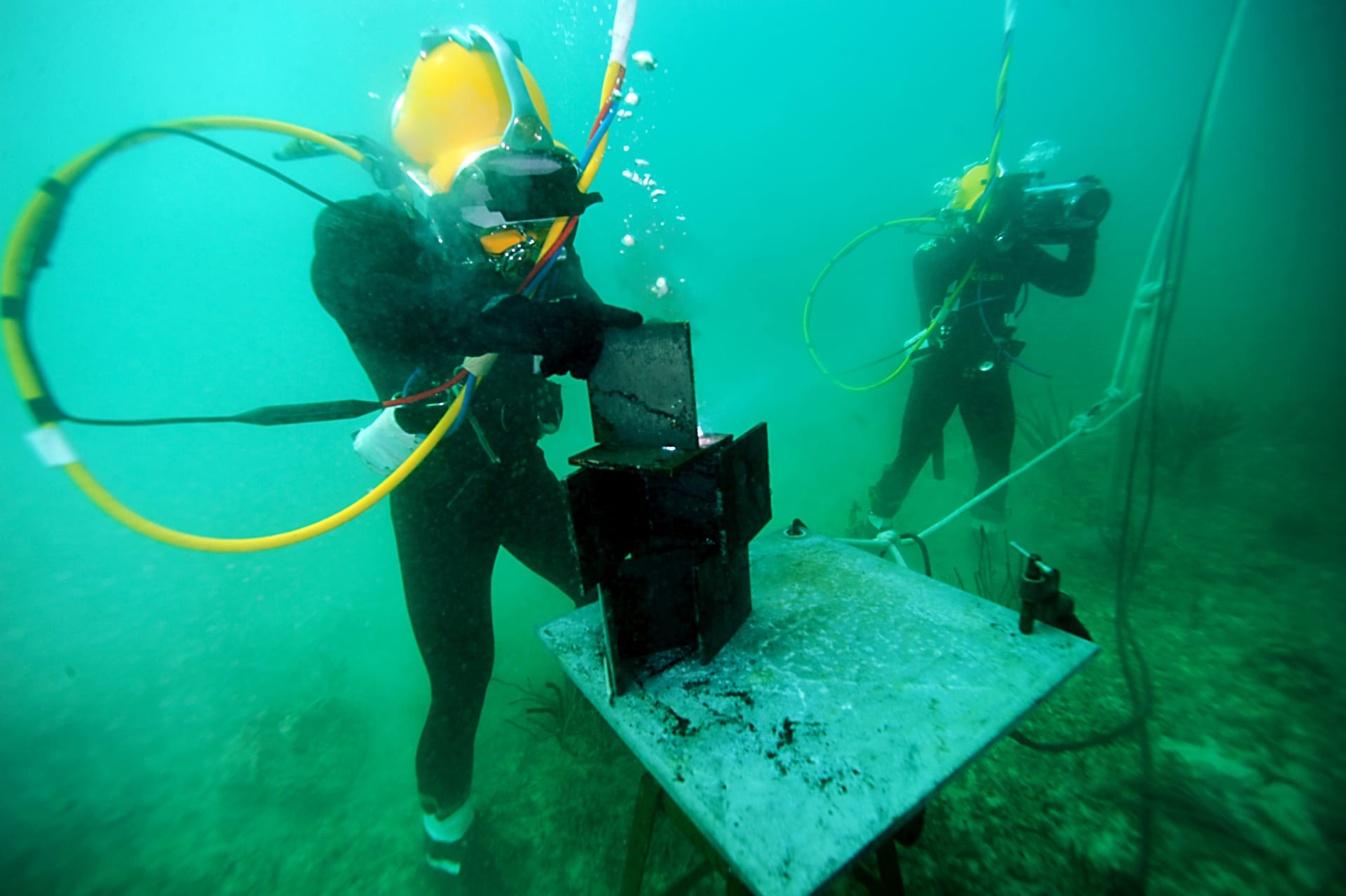
An underwater welder joins or repairs metal below the water. A job may be on a ship, a line, or part of an offshore rig. A wet weld is made in the water. A dry weld takes place inside a chamber set up around the part.
How Underwater Welders Work With Dive Teams and Joint Inspection Plans
The welder-diver works on metal joints underwater under a defined repair or construction plan. Wet welding is done in the water. Dry work uses an enclosed space around the joint. Hyperbaric means under pressure and can describe wet or dry work; it does not define a separate fixed career rank.
The team checks the joint, access and required evidence before the work. The diving supervisor controls the dive. Welding and inspection staff review their own technical scope. A diving ticket does not qualify you for every welding process or joint.
The welder records the assigned work for inspection and review. The engineer may need material, fit-up and test information as well as images. Underwater welding is one skill within commercial diving; many diver jobs involve other tools and tasks. The exact mix depends on the project and the worker’s assessed skills.
Underwater Welder Wages and Commercial Diving Outlook
Canada’s wider technical-trades group includes commercial divers and other trades. Its national range was CAD 21.63 to 47.85 per hour. Job Bank’s data covers 2023–2024. U.S. commercial divers earned USD 20.83 to 75.86 per hour for the middle 80% in May 2025, including inshore work.
Underwater Welding and Dive Training in Canada and the U.S.
You need commercial-diver training and the right welding qualifications for the work. In B.C., WorkSafeBC specifies accepted training and certification.
Covered U.S. dive-team rules require training for the task and diving method, plus first aid and CPR. Welding tests must fit the process and joint required by the project. Employers add gear and site familiarisation. A surface-welding course or recreational dive card alone does not establish readiness for the combined job.
Challenges of Welding Underwater on Offshore Jobs
Visibility and access can limit the work and its inspection. The dive and welding teams must agree on the evidence needed for review. Vessel time and weather can add pressure to a schedule. Remote campaigns mean long shifts and time away from home, alongside ongoing medical and skill requirements.
Perks of Working as an Underwater Welder
You combine a practical metalworking skill with commercial-diving experience. Work with engineers and inspectors shows how a repair is assessed as well as made. Further qualifications can support broader repair or inspection work. Welding is only part of a commercial diver’s workload.