What Does a UPS Battery Technician Do at an Oil and Gas Plant?
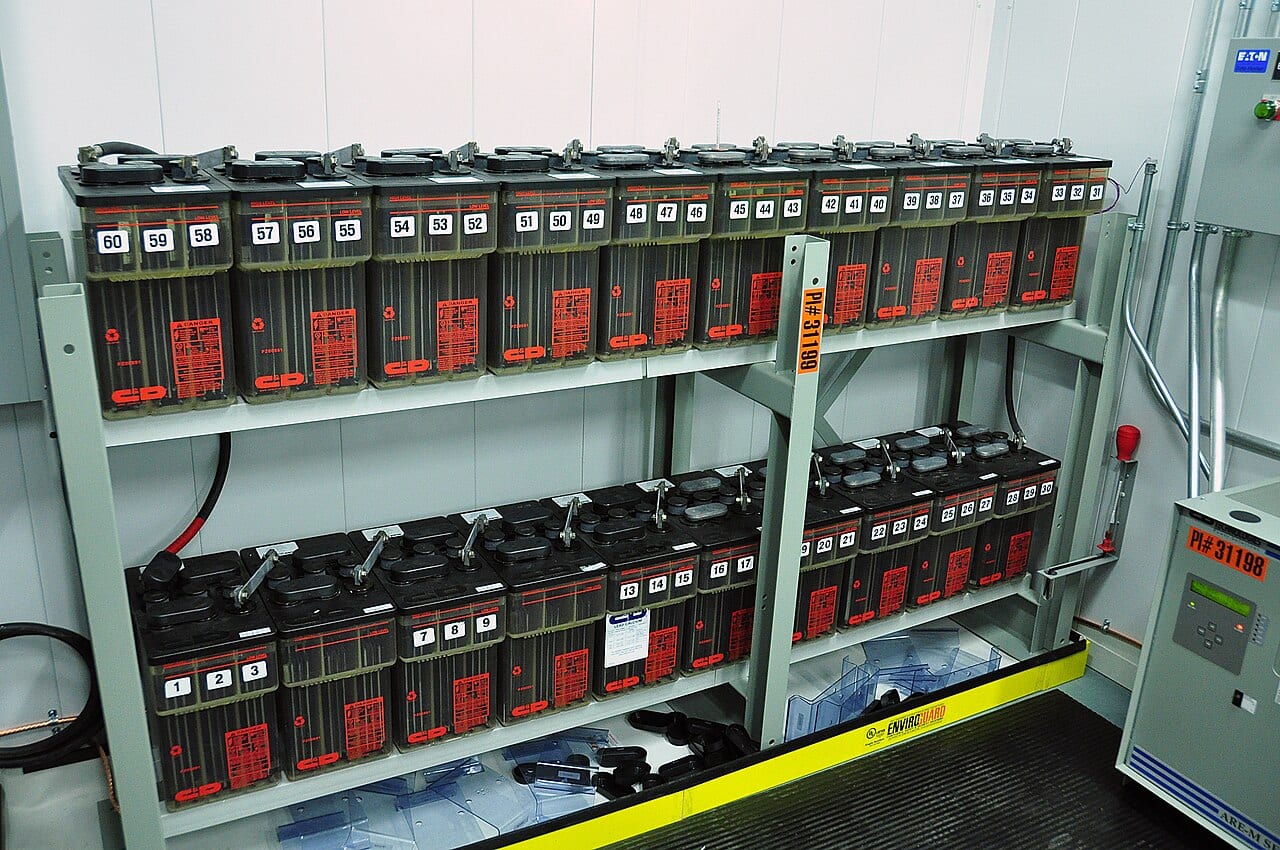
A UPS battery technician checks the backup power for plant controls and alarms. UPS stands for uninterruptible power supply. It helps keep those loads on if main power drops. The technician tests the batteries and makes a note of parts that could fail the next time the plant needs them.
How UPS Battery Technicians Check Plant Backup Power
A UPS technician checks the backup power unit and batteries against the plant’s records and service plan. They review alarms, test results and signs of wear. The aim is to identify weak parts before a loss of main power exposes the problem. The work needs a clear record of which loads the unit supports.
A battery fault, a charger problem and a control fault can have different causes. The technician records readings and findings, then plans work with electrical and operations staff. Replacing parts may affect plant backup cover, so the team needs an agreed service window and handover.
Some posts focus on batteries. Others cover the full UPS, its controls and related power equipment. Eaton offers separate operator, first-response and product training, which shows why course scope matters. The employer should state which work you will perform and which tasks go to another trade or service specialist.
UPS Battery Technician Pay and Job Outlook
For qualified electrical-trade work, the Alberta industrial-electrician range was CAD 25 to 68 per hour in 2023–2024. For U.S. context, the group covers commercial and industrial electrical/electronics repairers. Its middle 80% earned USD 46,840 to 105,590 per year in May 2025. These are broad groups, not a battery-only scale.
Canada projects 15,200 openings in the industrial-electrician group in 2026–2035. Retirements account for 8,900. This is useful for posts with that trade scope, not every battery-service job.
Training for UPS Battery Technicians in Oil and Gas
Learn to read circuit drawings and battery test records. You also need to know how the UPS fits the plant’s power system. Trade rules follow the tasks and region. Alberta restricts some electrician work. For those tasks, you need a recognised trade certificate or status as a registered apprentice.
A vendor course covers its stated product or task. It does not grant an electrician’s licence. Employers may teach their models after hire. Live power, battery chemicals and heavy parts need the site’s approved training and work plan.
Challenges of Servicing Oil and Gas Backup Power
The backup unit may appear quiet for months, yet still need close checks and complete records. Maintenance windows can be short because the plant depends on its cover. Battery handling and restricted spaces add physical demands. Service roles may include nights, urgent calls and travel between sites.
Perks of Working on Industrial UPS and Battery Systems
You can develop a focused skill in industrial backup power while working with plant electrical teams. The service history gives a clear view of ageing equipment and repair needs. Some employers offer training across several models.