What Does a Vacuum Truck Operator Do in Oil and Gas?
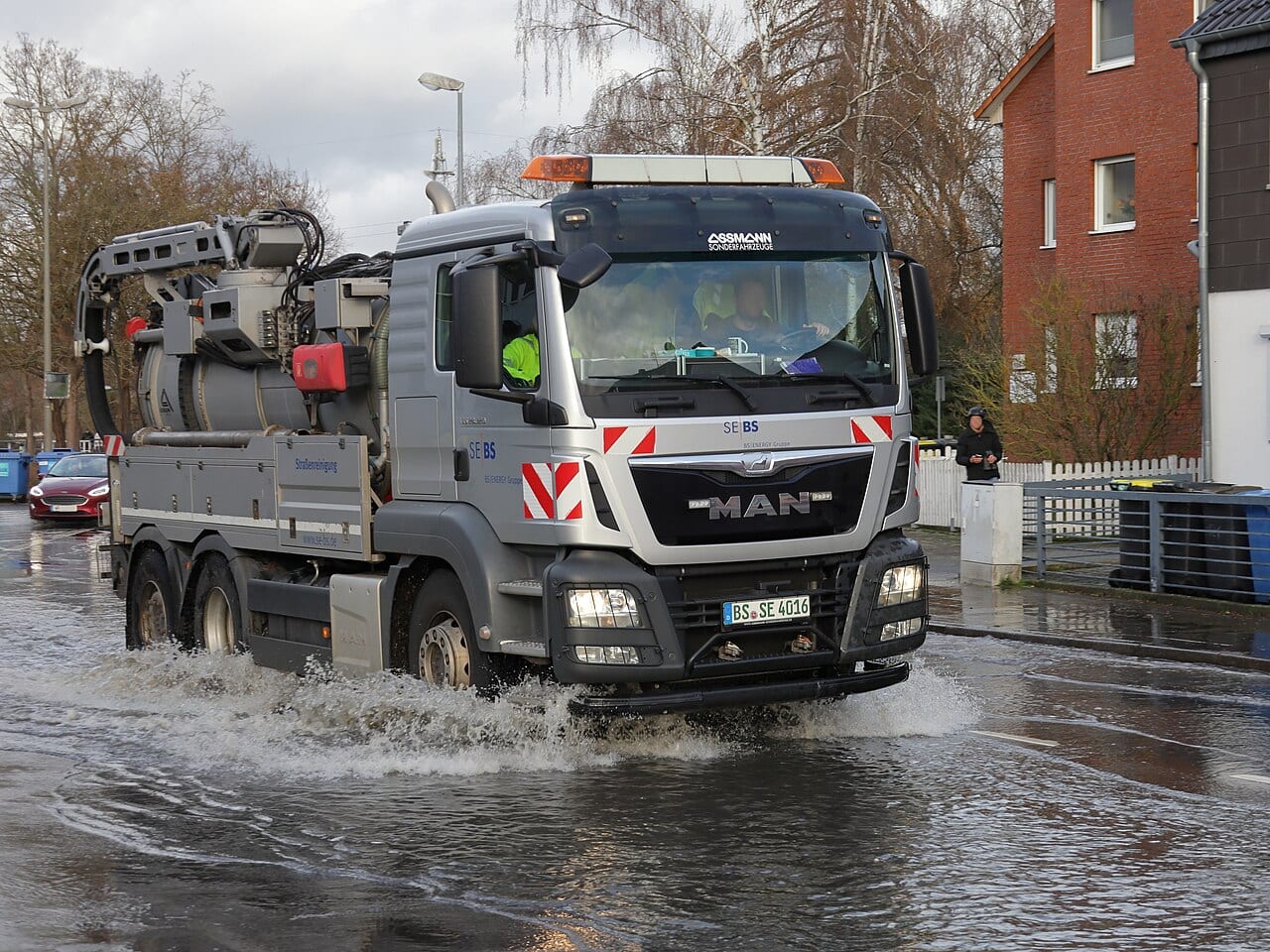
A vacuum truck operator picks up wet waste at oil and gas sites. A pump pulls the waste into a tank on the truck. On one call, the crew might clean up a spill. On the next, it might take used drilling fluid away from a rig.
Vacuum Truck Operator Duties at Oilfield Cleanouts
A vacuum truck operator collects wet waste, sludge or used fluids from a worksite. Dispatch and site staff identify the material, job scope and receiving facility. The operator needs that information before the work starts; the truck cannot be treated as suitable for every waste stream.
The crew handles hoses, watches the collection task and records the load for transport and disposal. The operator checks the truck and keeps the work area in the site’s plan. Some jobs also use wash equipment. A combination unit or hydrovac truck can involve different equipment and tasks.
The driver works with site crews, helpers and dispatch. Changes in the material or access can alter the job. A vacuum-truck assignment does not by itself authorise tank entry or specialist waste handling. The employer should define the services, crew roles and limits before the call.
Vacuum Truck Operator Wages and Job Outlook
For driving context, Alberta transport truck drivers earned CAD 21 to 42.31 per hour in 2023–2024. U.S. heavy and tractor-trailer truck drivers earned USD 19.30 to 38.17 per hour for the middle 80% in May 2025. These are wider employee-driver figures, not a specialist vacuum-service scale.
Canada projects 133,800 openings across truck driving in 2026–2035, including 93,800 from retirements. A remote contract may cover hotel and food or provide camp; distance from home and supplied meals can affect allowance eligibility.
Licences and Training for Oilfield Vacuum Truck Operators
The vehicle determines the driving licence, and the service determines extra training. Alberta’s current Class 1 route is the Learning Pathway, which replaced MELT in 2025. Employers can provide supervised truck, hose and site-task instruction after hire.
Dangerous-goods training applies when the assigned material and duties fall under those rules. U.S. CDL endorsements also depend on the vehicle and load. Confined-space or other specialist work needs its own training and approval. A general vacuum-truck course is not permission to enter a tank or handle an unidentified substance.
Challenges of Oilfield Vacuum Truck Work
Hose handling, mud and repeated site work make the role more physical than driving alone. Emergency calls and plant shutdowns may bring nights or long days. Disposal queues and poor access can delay a job. Road limits and remote travel also affect how much time you spend away from home.
Perks of Oilfield Vacuum Truck Work
You can work across several sites and learn how industrial waste services support maintenance. Some fleets offer a local base; others provide travelling shutdown work. The mix of driving and hands-on tasks suits people who want both.