What Does a Saltwater Disposal Operator Do at an SWD Site?
A saltwater disposal operator runs a site that takes water from oil and gas wells. The crew pumps that water down a well with a permit for disposal. They log loads, check tank levels and watch the well pressure. In job ads, SWD stands for saltwater disposal.
How Saltwater Disposal Operators Track Loads and Well Pressure
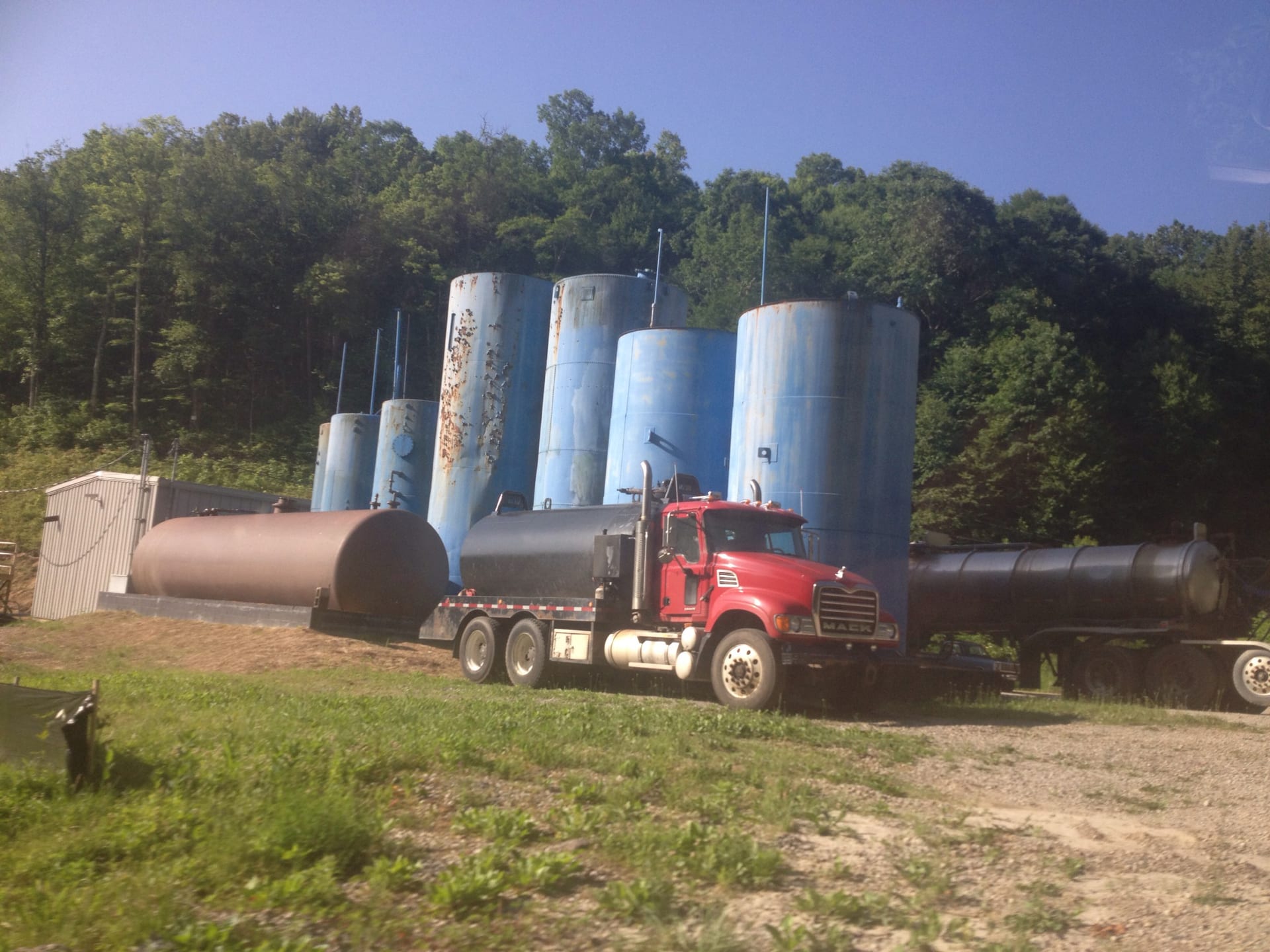
A saltwater disposal operator tracks the water arriving and the condition of the disposal site. Loads may come by truck or pipe. Check the records, tank levels and pump readings. Produced water comes from oil and gas operations; a disposal site is not automatically a plant that makes it suitable for reuse.
Keep logs of injection pressure, volumes and equipment faults under the site’s approved process. An injection well has site-specific limits. A pressure change needs reporting and follow-up. The operator does not choose a higher limit to clear a queue of trucks.
Make rounds, report leaks and carry out maintenance within the assigned skill level. Some roles include positive-displacement pumps, which move a set volume with each cycle. Coordinate repairs and tell dispatch when the site cannot receive a planned load. Hand over the current storage position and any unresolved alarms.
What Affects Saltwater Disposal Operator Pay and Job Prospects?
U.S. pump operators outside the producing wellhead had a May 2025 median of USD 29.70 per hour. It is a wider pump-work comparison, not a saltwater-disposal-only rate. A job covering several sites or major repairs may have a different scope.
Some sites provide housing; others expect a local commute.
Training for Saltwater Disposal Operator Jobs
Pump, tank or prior disposal work can provide a route. Danos’s Pecos example required SWD experience. It preferred knowledge of positive-displacement pumps. It was an experienced post; other jobs may train new hires.
The employer teaches its site limits, load records and emergency process. Driving and gas-hazard training depend on the assignment. A worker needs the right training before handling pressure equipment or repairs. A general oilfield course does not replace learning that disposal well and its approved operating plan.
Challenges of Working at Oilfield Saltwater Disposal Wells
Deliveries can continue while a pump is out of service. The crew needs to keep dispatch informed about available capacity and any hold on receiving. A late or missing load record can also make the water balance hard to explain.
Night alarms and rounds between sites can affect sleep and time at home. Remote access, heat and winter roads add to travel.
Perks of Working at a Saltwater Disposal Site
You can see how tank storage, pumps and the well work as one site. The role builds practical knowledge of equipment condition and fluid records. With more training, you may take on lead or repair-support work. A wider repair role needs the right skills.