What Does an Oil and Gas Welder Do in the Shop or Field?
An oil and gas welder joins metal on pipe, tanks and other equipment. They read the job drawing and follow the weld procedure for the metal and joint. After welding, the crew checks the work and sends it for any tests the project calls for before the part goes into service.
How Welders Join and Repair Oil and Gas Equipment
Join or repair metal using the approved procedure for the job. Check the drawing, material and joint before welding. Oil and gas work may involve structural steel, equipment parts or piping. Each can have different codes, tests and acceptance requirements.
Prepare the joint and complete assigned welds within your qualifications. Record the work so it can be matched to the part and inspection. A pipefitter may prepare a pipe assembly, while a welding inspector checks the required evidence. Making the weld and accepting it are different responsibilities.
Work with the shop or field team on defects and repairs through the approved process. A welding apprentice learns under a qualified mentor. A Grade B pressure welder has further Alberta pressure-work qualifications. A general trade ticket does not cover every process, material or position.
Oil and Gas Welder Wages and Job Outlook
Job Bank’s 2023–2024 data for Alberta shows CAD 25.00 to 52.18 per hour for welders and related machine operators. This range covers the full group.
In May 2025, the middle 80% of U.S. workers in the welders, cutters, solderers, and brazers group earned USD 18.87 to 37.28 per hour.
Canada projects about 27,400 openings in the Canadian group from 2026 to 2035. About 16,800 could come from retirements.
Welder Training and Weld Tests for Oil and Gas Jobs
Alberta’s welder apprenticeship has three periods. Restricted work requires certification or another authorized status, such as registered apprentice. Employers may need further performance tests for the actual job. A trade certificate shows trade knowledge. Pressure tests and the employer’s procedure define further job requirements.
In the U.S., AWS offers performance-based tests against specified procedures. Each test has a defined scope. It does not approve every type of weld. Employers provide their work procedures and site training. Hot-work permits, ventilation and fire controls need to match the workplace.
Challenges of Working as a Welder on Oil and Gas Projects
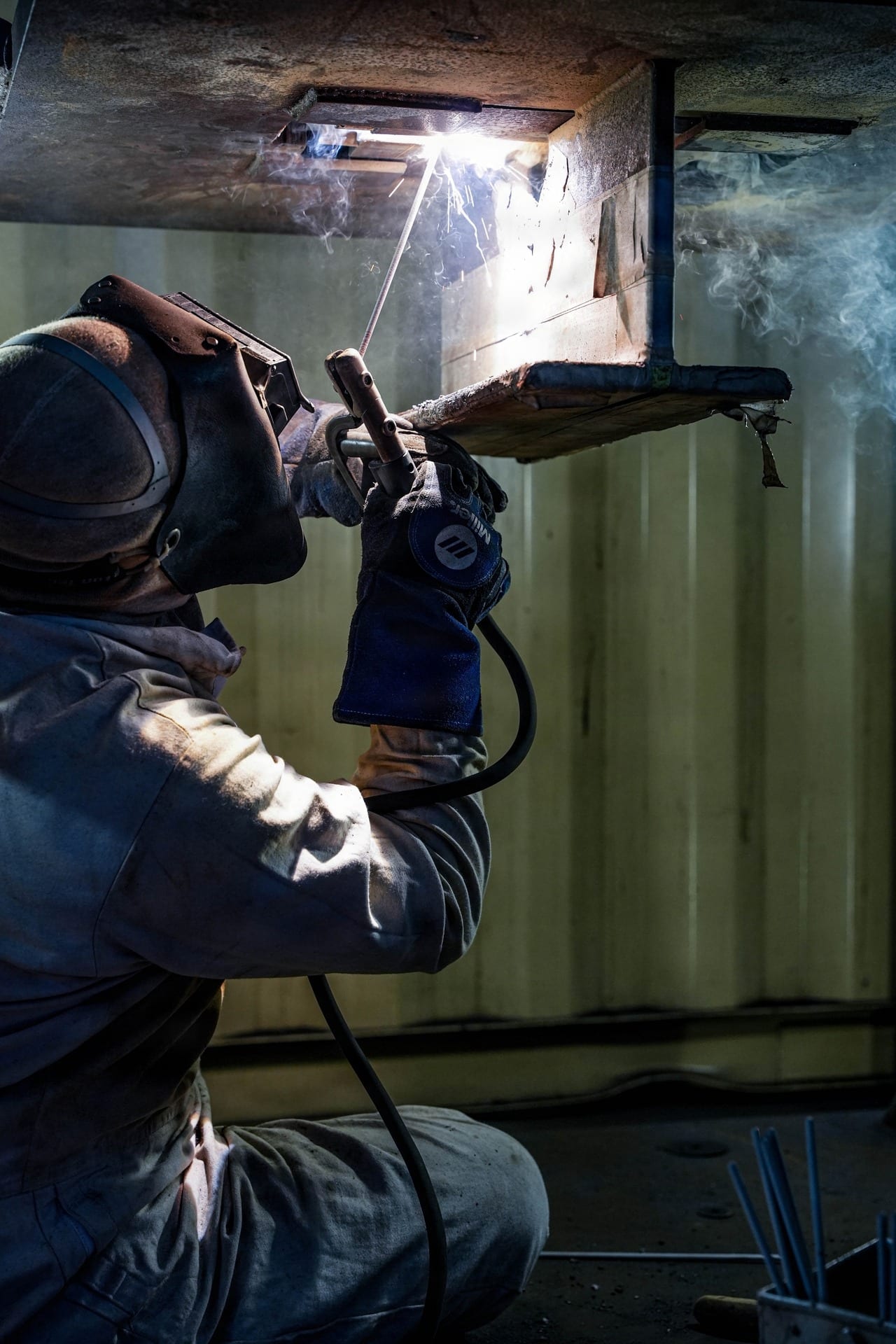
Heat, fumes, glare and awkward positions can make the work demanding. Good fit-up and preparation often determine whether a weld can meet the required standard. A failed inspection can mean careful repair and further checking.
Shop and field schedules differ. Shutdown work may bring long shifts, travel and gaps between contracts.
Perks of Working as an Oil and Gas Welder
You build a practical skill with a visible result and clear tests of the work. There are shop, field and specialist paths across many industries. Further qualifications can widen the work available, but each needs practice and the tests appropriate to its scope.