What Does a Welding Engineer Do?
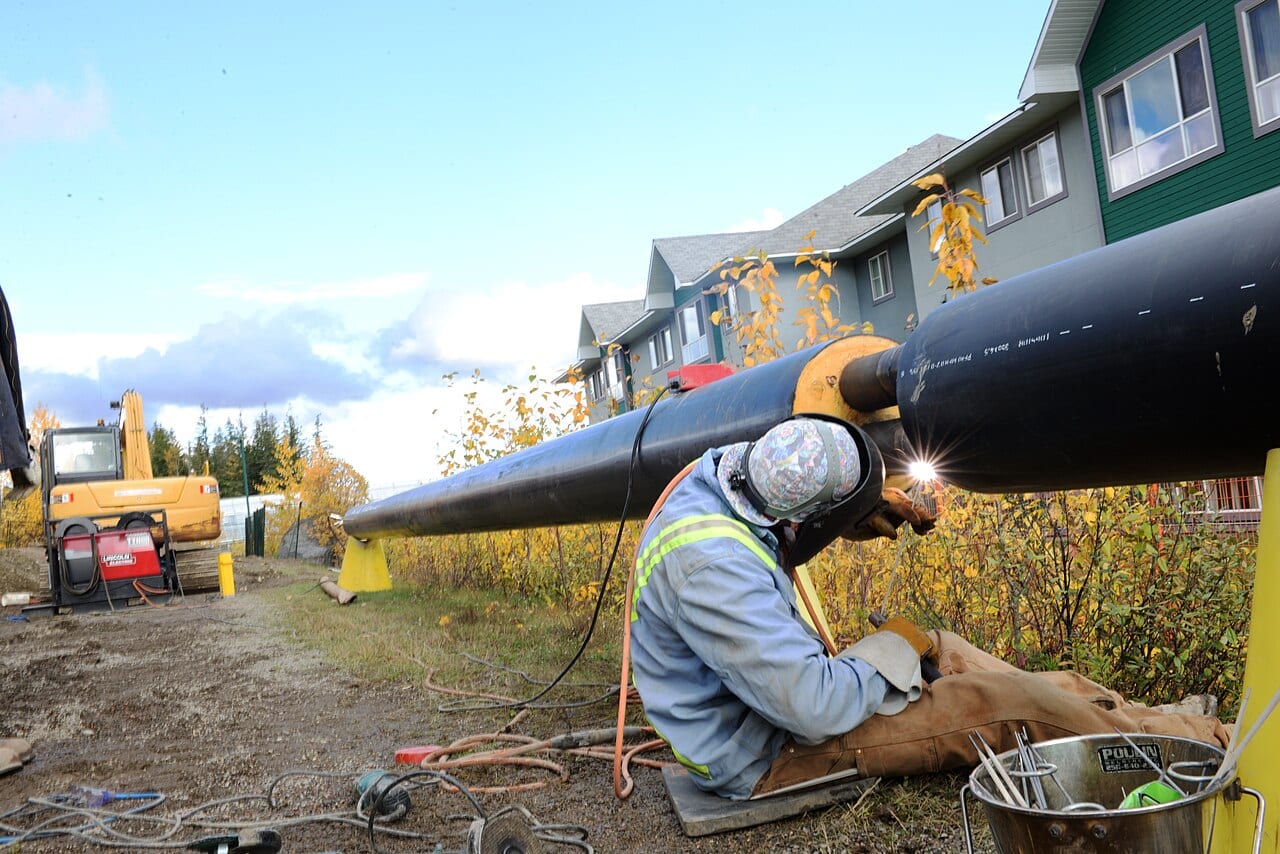
A welding engineer works out how a crew can join metal safely and meet the needs of an oil or gas project. You help choose the weld method, materials, and tests. The job can cover pipes, tanks, and steel frames built in a shop or joined later at the site.
How Welding Engineers Review Oilfield Joints and Test Evidence
The engineer checks what a joint must do. They plan the evidence needed to show it meets the project’s needs. The work links the metal, joint design, welding method and tests. A pressure pipe, frame and repair can need different reviews. That holds even when they use the same welding process.
They work with welders and quality staff on tests and records. These show what a welding procedure is qualified to cover. A test result needs to match the material and scope being claimed. When defects recur, they review the evidence with the team. The cause may extend beyond the welder’s technique.
The engineer may support suppliers, fabrication and repairs. A welding inspector has a different role checking work within the assigned inspection scope. Different people may review the design, accept procedures and inspect the work. Each needs the right skills for that task.
Welding Engineer Pay and Job Outlook
The broad Alberta group covers metallurgical and materials engineers. They earned CAD 36.69 to 93.93 per hour in Job Bank’s 2024 data. U.S. materials engineers earned USD 34.76 to 84.48 per hour for the middle 80% in May 2025. These include work beyond welding.
Canada projects 500 openings in the materials-engineer group in 2026–2035, including 200 from retirements. Other materials work is included.
Welding Engineer Training and Career Path
A degree in materials, mechanical or related engineering can provide the base. Study how welding affects metals. Learn how procedures are tested and qualified. Shop time helps connect the records with what people can produce consistently.
CWB qualifies welding engineers for certain Canadian company certification schemes. Entry needs professional registration and proof of welding knowledge. IIW has separate engineer and technologist diplomas. Each has its own entry route. An inspector’s certificate serves a different purpose. So does a welder’s test qualification.
Challenges of Working as a Welding Engineer
A new metal or repair detail can change which test records apply. Site work may also differ from the shop test. The engineer needs enough evidence before accepting a proposal while fabrication deadlines continue. Some posts involve vendor travel or outage work at short notice.
Perks of Working as a Welding Engineer
You can connect material science with a joint that will be built and tested. The work offers contact with welders, shops and project teams. It can lead toward materials expertise, fabrication support or technical leadership.