What Does a Well Control Engineer Do?
A well control engineer helps plan how crews will keep fluids in a well from flowing out unchecked. They review pressure data, the equipment and the well plan. If the team sees a change that may affect control of the well, the engineer can help assess it and advise the site lead.
How Well Control Engineers Review Pressure and Well Plans
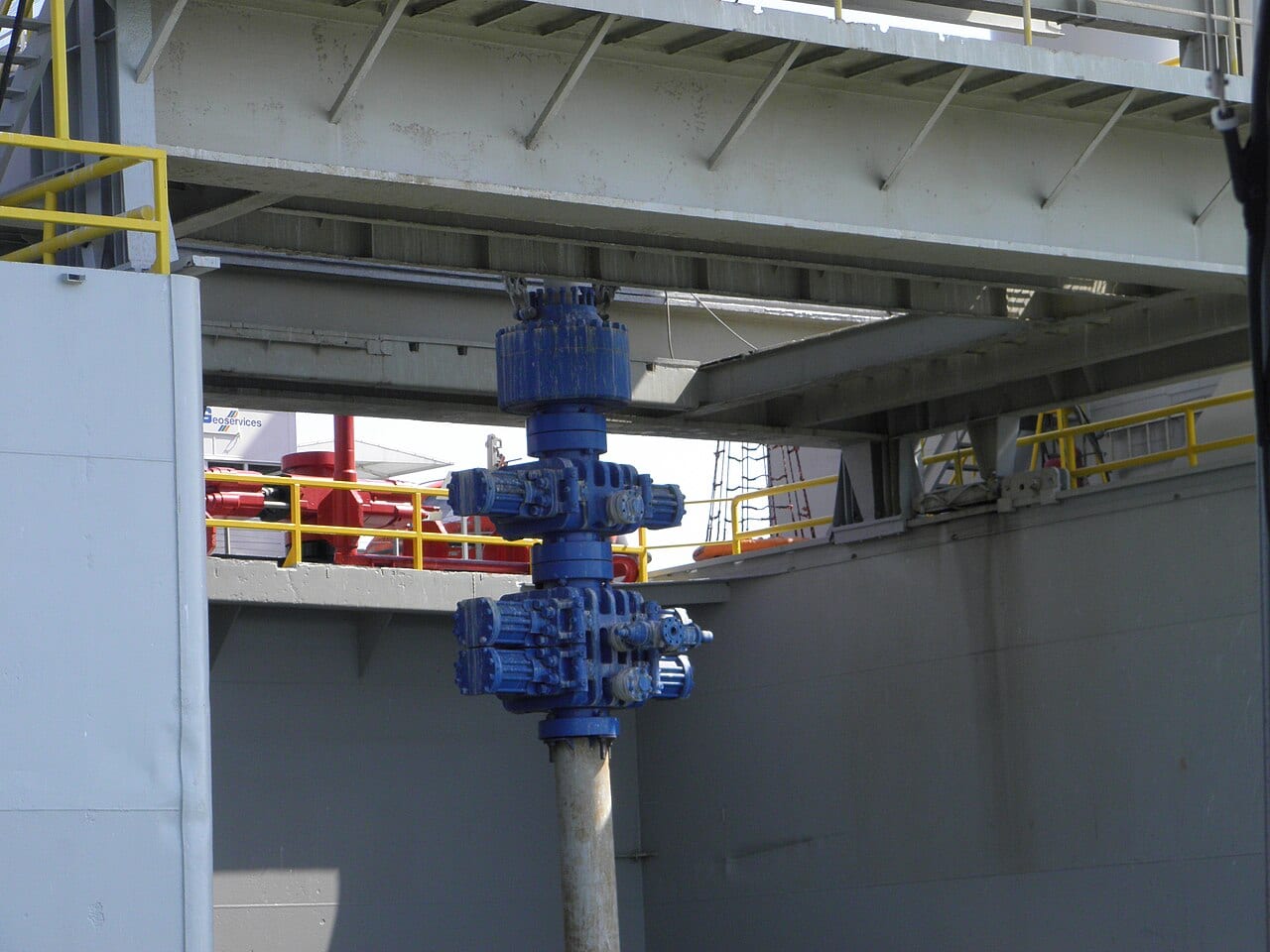
Review how the well design and planned work maintain control of well fluids. Check pressure data, barrier plans and the well-control equipment scope with the operator’s team. The work can focus on prevention, design review or response. Each needs its own skills.
Build or review models and explain their assumptions. A drilling engineer needs to know how a change could affect the wider well plan. Bring in fluids, equipment and reservoir specialists where needed. Record what was checked and which limits apply. Keep open questions visible.
Support drills, plan reviews or live operations within the agreed scope. During a response, work through the named command structure rather than give competing instructions to the rig. A relief well engineer covers a specific planning specialty. This title does not give a person command of every response. It also does not qualify them to run every item of equipment.
Well Control Engineer Wages and Job Outlook
Job Bank's 2023–2024 data for Alberta put petroleum engineers at CAD 46.67 to 96.15 per hour. In May 2025, the middle 80% of U.S. petroleum engineers earned USD 39.16 to 121.73 per hour. The figures cover wider job groups.
Canada projects about 2,100 openings for the Canadian group from 2026 to 2035. About 1,300 could come from retirements.
Education and Field Experience for Well Control Engineers
Build skills in well engineering and operations before taking specialist work alone. Learn pressure behaviour, barriers and equipment limits with supervised technical review. A degree alone is not evidence of readiness for emergency response.
IWCF has drilling courses for equipment operators and supervisors. Surface and combined subsea courses have different scope. Intervention has a separate programme. The employer should match training to the assigned decisions and check practical skills. Check the professional licence needed for engineering work in that region.
Challenges of Working as a Well Control Engineer
A model may depend on records that are incomplete or changing. The engineer must make those limits clear under time pressure. Good work includes asking for a missing fact rather than giving a precise answer unsupported by the evidence.
Specialist response work may involve standby, urgent travel and long periods away. Planning roles can have a different schedule.
Perks of Working as a Well Control Engineer
Preventive work can help a team find a weakness before it affects a well. The role brings contact with experienced technical and field staff. It offers a focused path for people who value careful checks and clear advice. You also learn from real well work.