What Does a Well Intervention Engineer Do?
A well intervention engineer plans work inside an existing oil or gas well. They help choose tools for tasks such as clearing a blockage, replacing a valve or finding out why flow fell. They check that the tools fit the well and help the crew review the results when the job is done.
How Well Intervention Engineers Plan Work in Existing Wells
Start with the reason for entering an existing well. It may need a measurement, repair or change to restore useful service. Review the completion record, current condition and access limits. A tool that fits an old drawing may not fit equipment installed during a later repair.
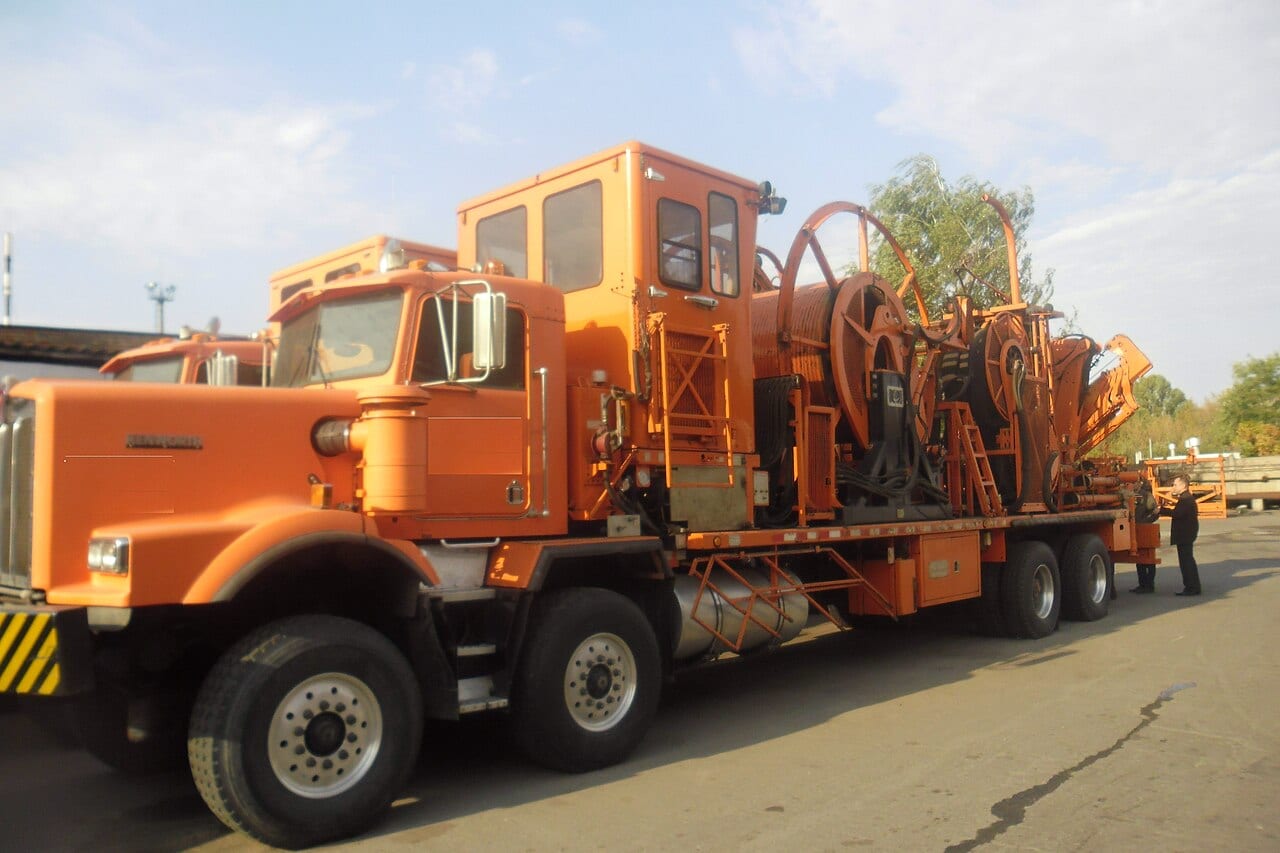
Compare methods with the service teams. Wireline, coiled tubing and snubbing have different equipment and job scopes. Check tool compatibility, barriers, costs and the information needed to judge success. Plan with the operator and specialists rather than choose a method from the job title alone.
Prepare the programme and support changes through the agreed review process. The service supervisor leads the assigned crew. The engineer gives technical advice within the operator’s chain of command. After the job, update the well record and explain the result. The next intervention team needs to know what changed and what remains unresolved.
Well Intervention Engineer Wages and Job Outlook
Job Bank's 2023–2024 data for Alberta put petroleum engineers at CAD 46.67 to 96.15 per hour. In May 2025, the middle 80% of U.S. petroleum engineers earned USD 39.16 to 121.73 per hour. The figures cover wider job groups.
Canada projects about 2,100 openings for the Canadian group from 2026 to 2035. About 1,300 could come from retirements.
Education and Field Training for Well Intervention Engineers
Petroleum or related engineering study and relevant well work can provide a route. Learn completion records and the limits of each intervention method. Experienced positions may cover several services, while a junior role may start in one product line.
IWCF’s intervention course includes completion topics. It has options for wireline, coiled tubing and snubbing. Subsea work has further scope. The employer should match training to the job and test practical skills. A drilling well-control course alone does not cover every way of entering a well.
Challenges of Working as a Well Intervention Engineer
Older well records may be incomplete or disagree with later repairs. The engineer needs to identify the uncertainty before it affects tool choice or the work plan. A clear account of what is unknown is part of a useful programme.
Onshore and offshore projects have different travel, lifting and access limits. Urgent well work can disrupt a planned schedule.
Perks of Working as a Well Intervention Engineer
You work with an existing asset and can see whether a targeted job solved the problem. The role builds knowledge of well history and several service methods. That variety can suit an engineer who enjoys tracing a fault and planning work around real access constraints.