What Does a Wellhead Technician Do at an Oil or Gas Well?
A wellhead technician installs and repairs equipment at the top of an oil or gas well. They work on valves and other parts that help the crew control the well. They check which parts fit, help test the finished work and leave a service record for the site team.
How Wellhead Technicians Install and Service Surface Equipment
Read the service order. Prepare the parts, tools and assigned service unit. The job may include delivering and assembling a wellhead or repairing customer equipment. Check the specified components before going to a remote site.
At the well, work with the crew on the assigned installation, repair or test. A Christmas tree is a valve assembly, while the wellhead provides the surface connection. The service order needs to identify which equipment and work are included.
Record the parts used, test results and unresolved issues. Return equipment and records to the shop process after the call. Some posts also include service-unit maintenance, lifting equipment or general site duties. The equipment and crew setup determine that scope.
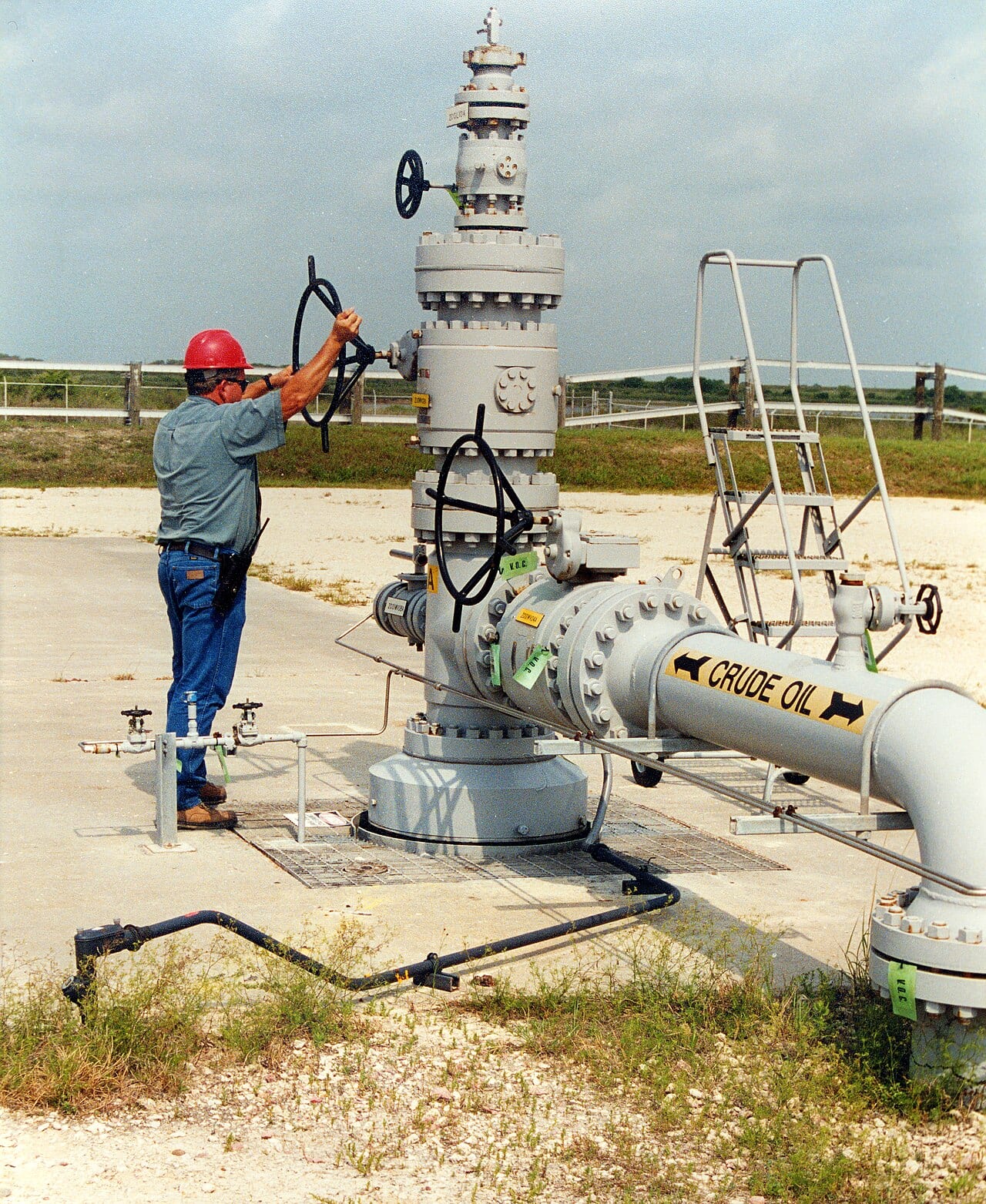
Field and Pressure Equipment Training for Wellhead Technicians
Mechanical skill and oilfield service experience can provide a route. Employers train technicians on their wellhead products and service records. Experienced independent-callout posts differ from trainees who work with a lead. A driver’s licence is commonly required.
Site training covers pressure hazards, lifting and the work assigned. Some jobs value picker qualifications; others use a separate operator. Product training is important when working across makes of equipment.
Challenges of Servicing Wellheads in the Field
The next well crew may be waiting for the service to finish. A wrong part or an older valve model can mean another trip. Remote calls can run late or require an overnight stay. The technician needs accurate records and support when the job differs from the original request.
Perks of Working as a Wellhead Technician
You build practical knowledge of valves, seals and surface pressure equipment. The work can mix shop tasks with varied field calls. Further experience can lead to testing, technical support or supervising service crews, with different amounts of travel in each.