What Does an Artificial Lift Specialist Do?
An artificial lift specialist helps a field team keep oil and gas wells flowing when they need a boost. They look at well data and help choose or check a pump or gas lift system. The work can include planning a change or going to the well to help find a fault.
How Artificial Lift Specialists Check Pumps and Gas Lift
An artificial lift job can focus on one system, such as an electric pump down the well, or cover several types. Field specialists prepare equipment, review the well plan and check what tools and crew the installation needs. They may help with pulling and installing the pump, setting up its surface controls and checking it during startup.
When a pump trips, the specialist reviews the drive's fault history and the well records. A change in flow might come from the pump, a control problem or conditions in the well. They work with the lease operator to compare what happened at the surface with the data from the job. Electrical work stays within the person's training and the site's work permissions.
An application specialist has a different focus. That role uses well and equipment data to help select and size a lift system. A field specialist may carry out the job and send back its results. Some firms combine the duties.
At handover, the crew needs the equipment details, settings that were changed and checks still open. A good service report helps the next specialist trace a repeat fault and helps the operator see whether the repair changed the well's output.
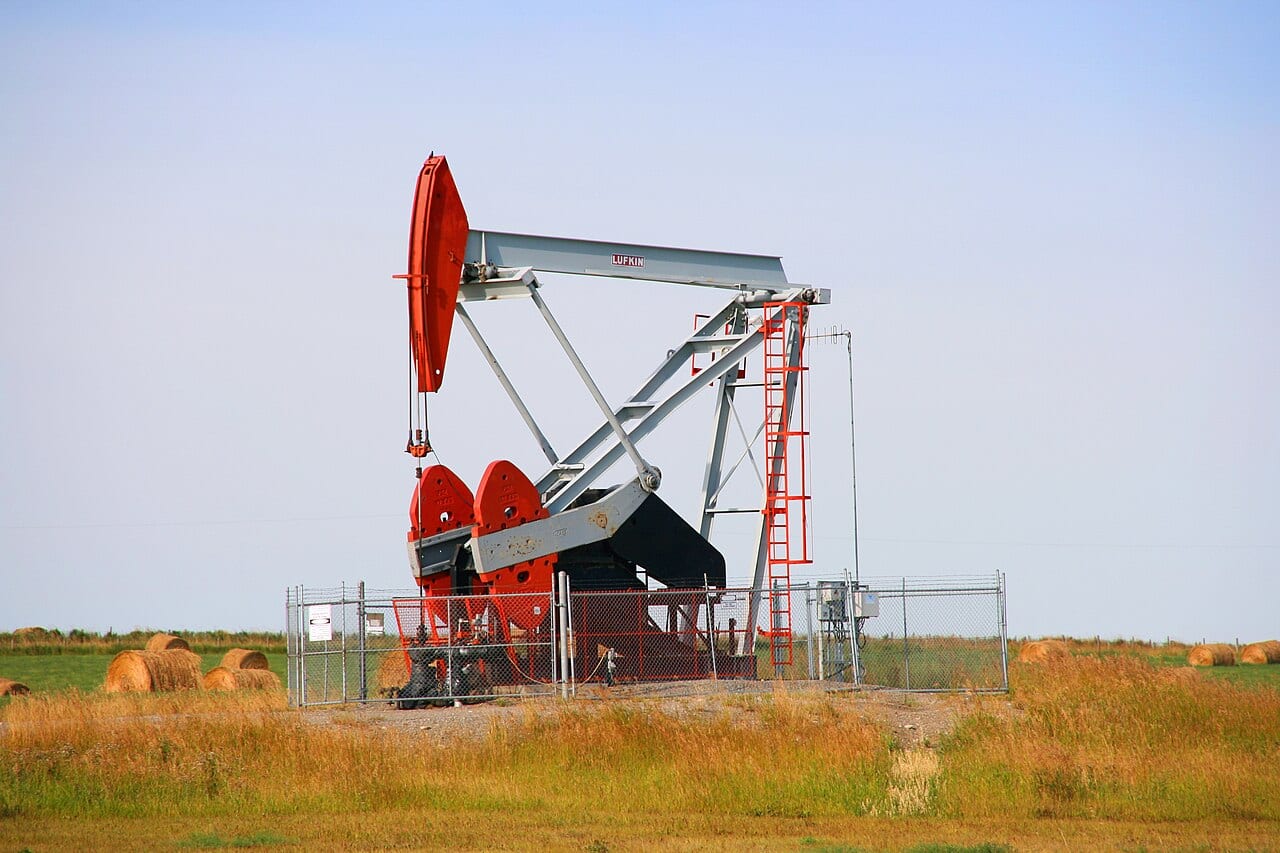
Artificial Lift Specialist Training for Oilfield Work
Mechanical or electrical training can lead into equipment service. Production experience can lead into well monitoring or application support. Senior postings may ask for a technical diploma and years of lift installation work. Those are different entry points, so compare the level as well as the title.
Learn to read a well sketch, follow a pump manual and write a clear job report. Employers may teach their own drives and pump systems. A specialist working around a well also needs the operator's site training. A design role may have engineering qualification requirements that a service job does not.
Challenges of Oilfield Work for Artificial Lift Specialists
The well may be far from the shop, and a repeat fault can need both field checks and help from a specialist elsewhere. A part that looks fine on the bench may behave differently under load. Travel, night calls and waiting for a rig or a spare can stretch the working day.
Perks of Oilfield Work for Artificial Lift Specialists
The work gives you a way to follow an equipment change through to the well's later performance. Field experience can support a move into service leadership, training or application support. Moving into engineering design may call for more formal study. The best route depends on whether you prefer working with equipment at the well or reviewing performance from a desk.