Also called a wellhead pumper, lease pumper or well tender.
What Does a Lease Operator Do at Oil and Gas Wells?
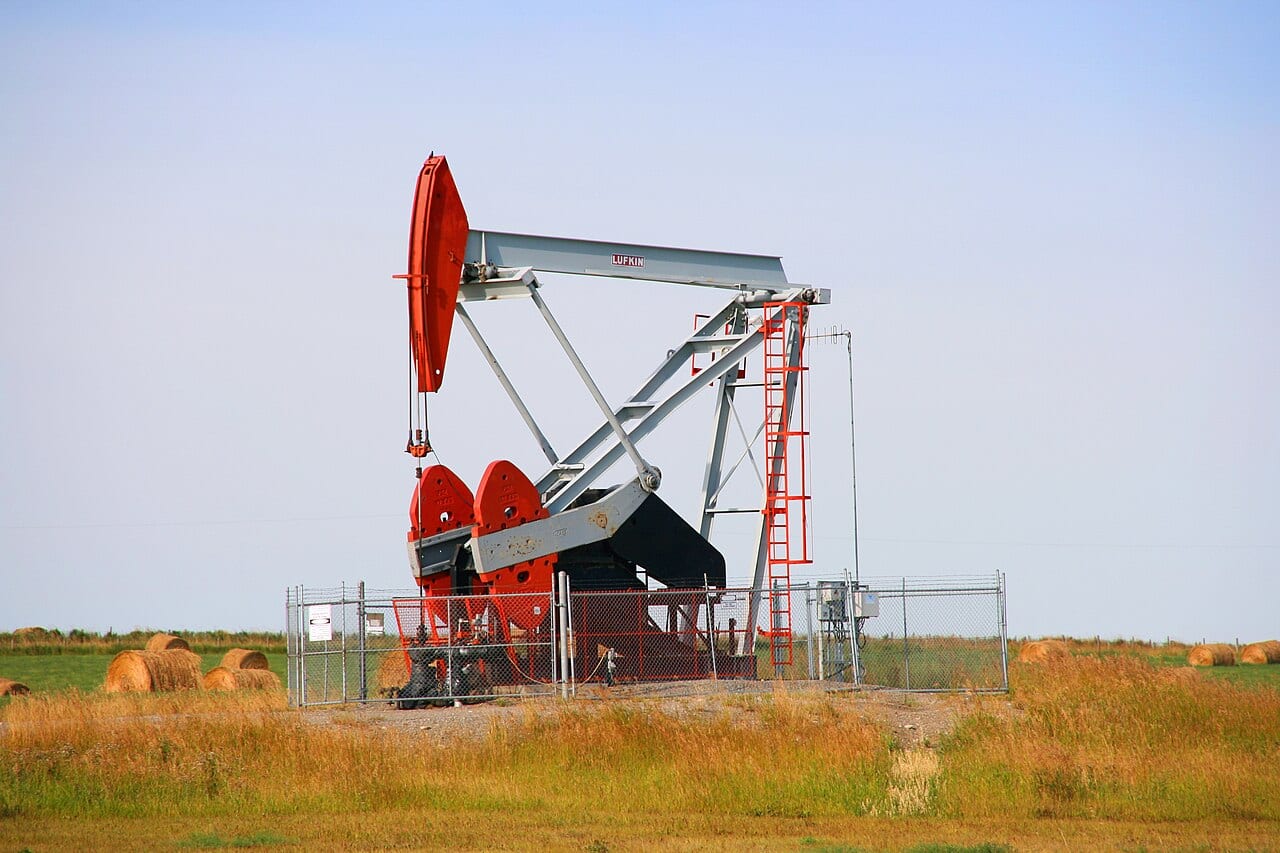
A lease operator visits producing wells and checks that the equipment works as it should. They read gauges, record how much oil, gas or water the site makes and report leaks or faults. The job can cover several wells in a day, often on rural roads or remote leases.
How Lease Operators Check Wells, Pumps and Tanks
A lease operator follows a route of producing wells and compares each site with its recent records. Check tanks, gauges and the equipment that handles oil, gas and water. A separator splits those streams. A change in water cut, the share of water in the liquid, can help explain why a well’s oil volume has changed.
Record production and downtime, then follow up with the right crew when a fault needs repair. Equipment may include artificial lift, such as an electric submersible pump. The operator checks the system within their training. Electrical repair or a major well intervention needs the qualified team for that work.
Keep the field supervisor informed about wells out of service and planned contractor visits. A production engineer uses the reports to assess well performance. Clear notes help distinguish a real production decline from a missing reading. The route handover should show faults still open and which sites need another check.
Lease Operator Wages and Job Outlook
Job Bank lists CAD 32.00 to 72.12 per hour for Alberta process operators in oil, gas and chemical work for 2023–2024. That group covers more than lease work. In May 2025, the middle 80% of U.S. wellhead pumpers earned USD 21.20 to 47.20 per hour.
Canada projects about 4,100 openings across its wider group from 2026 to 2035. About 3,200 could come from retirements.
Lease Operator Training for Oilfield Rounds
Some employers train new hires on rounds with an experienced operator. Other posts require prior production work. A driver’s licence and a suitable driving record are common for a role covering several sites. Learn the route, reporting system and who to call when help is needed.
Site training covers the actual equipment, gas hazards and emergency plan. Canadian and U.S. employers can set different course requirements. Training for routine rounds does not qualify a worker to repair every pump or work on a live well.
Challenges of Lease Operator Work at Oil and Gas Wells
A route can involve long drives on rural roads, with mud, snow and poor visibility. Spring road restrictions can affect heavy service vehicles in Western Canada. They do not mean every producing well stops running, but they can delay the crew or equipment needed for a repair.
Lone work and callouts can make the schedule demanding. A remote alarm may not show the full cause until someone reaches the site.
Perks of Lease Operator Work at Oil and Gas Wells
You get to know the same wells over time and can spot a change that deserves attention. The work mixes field checks with records and contact with repair crews. Experience can support senior field duties or a move to plant operations, with training for the new equipment and scope.