What Does a Battery Operator Do?
A battery operator checks the tanks and equipment that collect fluids from oil or gas wells. They track levels and how much oil, gas and water leaves the site. The operator looks for changes during rounds and tells the field team if a pump, tank or other part needs attention.
How Battery Operators Check Tanks, Pumps and Separators
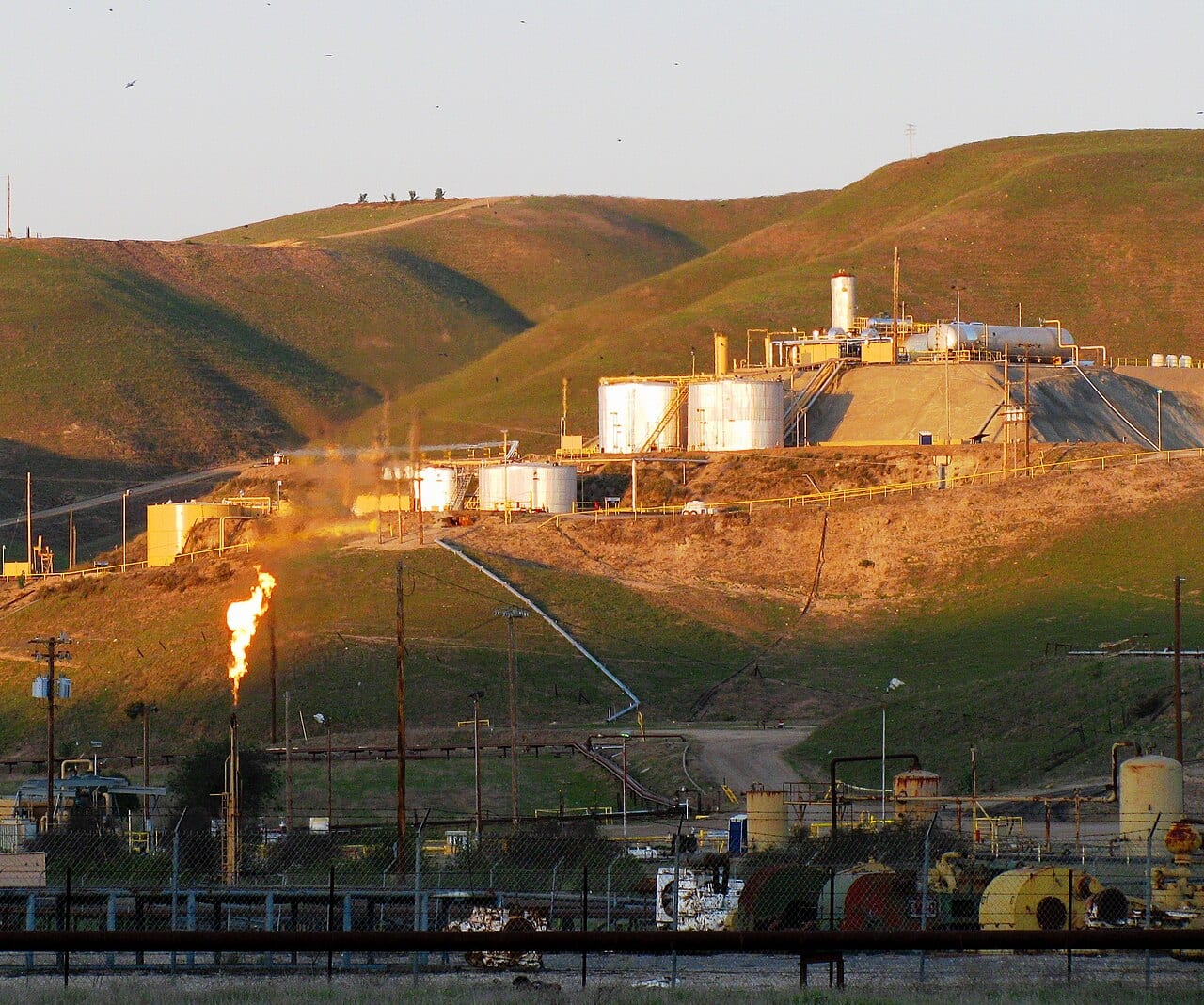
A battery collects and treats fluids from wells before they move onward. On rounds, check tanks, pumps and the separator against the site’s plan. Keep track of which equipment and transfer points you checked. Several wells can feed the same site, so one unexpected total may have more than one cause.
Record levels, samples and oil, gas or water movements. Compare a change with the previous round and pass it to the field lead. A gauger may check volumes at transfer, while a lease operator can include the battery in a wider well route. Duties can overlap.
Support planned maintenance by reporting equipment condition and work still open. Repairs and electrical tasks need their own authority. A battery operator can work for the producer or an operations contractor.
Battery Operator Pay and Field Contract Terms
Alberta’s broader oil, gas and chemical process operator range was CAD 32.00–72.12 per hour in 2023–2024. The middle 80% of U.S. refinery operators, petroleum pump operators and gaugers earned USD 27.46–55.71 per hour in May 2025. Both cover more than field batteries.
A plant-wide forecast does not by itself measure hiring for battery routes.
Battery Operator Training for Oilfield Work
Field production or related operating work can help. Trainees can learn rounds and records with an experienced operator. Employers teach their site’s process and qualification checks. Some posts cover pressure equipment or other duties that add certificate requirements; confirm the scope in the posting.
Site gas training, permits and driving requirements depend on the area and assigned tasks. Staff need to know how to reach help when working alone. A driver’s licence and a general orientation do not replace training on the battery equipment.
Challenges of Oilfield Work for Battery Operators
A field route can include long drives, poor roads and calls outside the planned shift. Spring restrictions or bad weather can affect access without stopping every site. Night alarms need clear records from the last round.
Perks of Oilfield Work for Battery Operators
Following the same sites helps you recognize small changes in equipment and production. The role can build a route toward lead field work or further plant training. Some assignments are local, while others use camp or relief travel; compare the schedule that the offer actually provides.