What Does a Biostratigrapher Do?
A biostratigrapher uses fossils to tell how old rock layers are and match them across a region. In oil and gas, the fossils may be tiny enough to need a microscope. You use clues from samples to help show which layers in two wells may have formed around the same time.
Fossil Identification and Well Correlation for Biostratigraphers
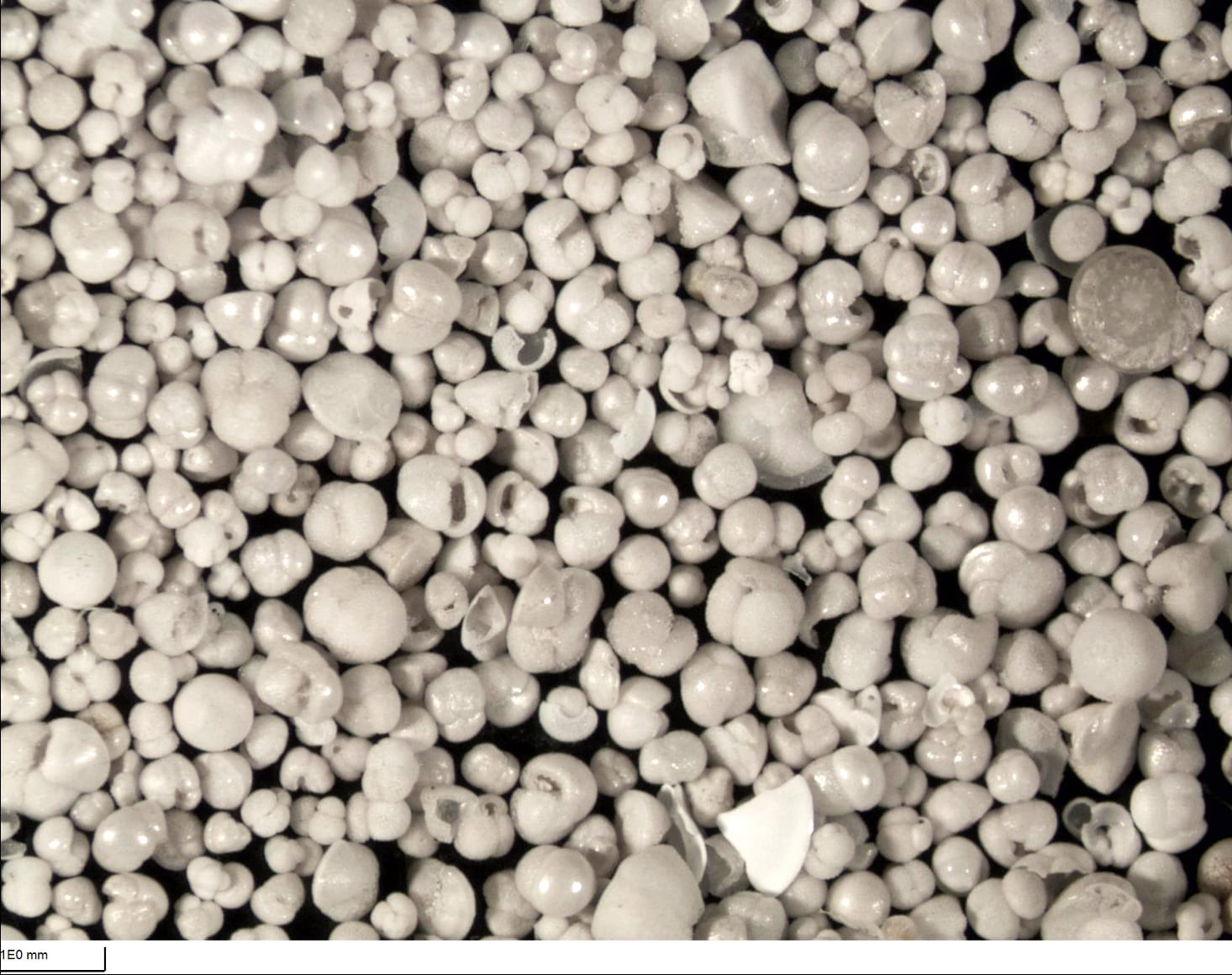
Identify fossil groups in rock samples and record where they occur. These may include pollen, spores or tiny marine shells. Use their age ranges to date layers and match them between wells. The most useful fossil group depends on the rock.
Keep sample labels and depths with the report. Include the lab records too. Fossils eroded from older rock can appear in a younger layer. A sound age framework may need several markers. Check it against logs, core and the broader geology.
Some work supports a well while it is being drilled; other studies compare many wells over longer periods. Share the results with a sedimentologist and field geologists. Fossil ages help build the layer framework. Other specialists assess rock quality and fluids.
Biostratigrapher Pay and Job Outlook
Job Bank lists CAD 28.85 to 117.95 per hour for geoscientists and oceanographers in Alberta for 2023–2024. In May 2025, the middle 80% of U.S. geoscientists, excluding hydrologists and geographers, earned USD 28.52 to 96.26 per hour.
Canada forecasts 4,400 openings in this broad group over 2026–2035. Around 2,600 are due to retirement. These totals cover all the group’s industries and specialties.
The figures cover geoscientists as a group.
Biostratigrapher Training and Career Path
Geology and palaeontology are common study paths. Specialist study can develop expertise in a fossil group and region. Learn to use a microscope and identify fossils with care. Another analyst needs to be able to review the records.
Lab staff may prepare samples for an office specialist or a wellsite team. The post determines the travel and shifts. Training must fit the lab work too. Learn to state an age range clearly when the sample does not support a single firm answer.
Challenges of Working as a Biostratigrapher
Some layers contain few useful fossils. Others include mixed or reworked material that gives conflicting age clues. A well team may need a fast answer, while a regional study allows more comparisons. The report has to make those evidence limits visible.
Perks of Working as a Biostratigrapher
The role suits someone who enjoys close observation and linking small fossil details to a regional rock history. You can work in a lab, a consultancy or a well-support team. Expertise in a fossil group can lead to study reviews across several basins.