What Does a Sedimentologist Do?
A sedimentologist studies how layers of sand, mud, and other material built up and turned into rock. In oil and gas, you use rock samples and well records to work out where those layers once formed. The team uses that picture to judge where a rock layer may continue or change.
Core Description and Reservoir Rock Studies for Sedimentologists
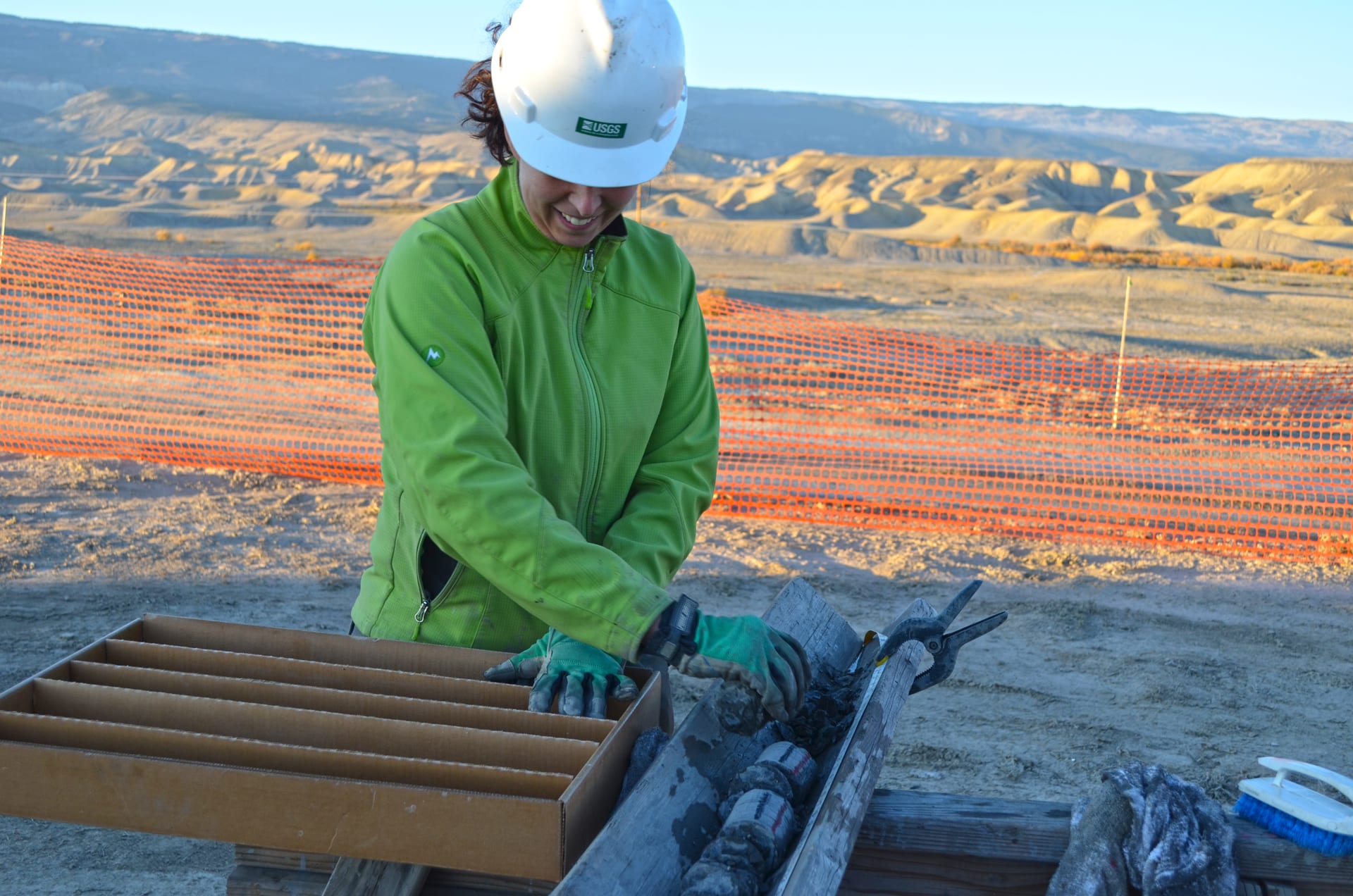
Describe grain size, bedding and changes in core or rock outcrops. Use those observations to interpret the setting where sediment formed. A thin muddy interval or a change in grain texture can affect how a reservoir connects between wells.
Compare core descriptions with wireline logs so the interpretation can extend to wells with less rock evidence. Work with a petrophysicist on log responses and with a reservoir geologist on maps of the field.
Some studies examine how burial changed the rock after it formed. Cement can reduce pore space even where the original sand looked promising. Explain those changes to the modelling team. They need to know both how the layers formed and how they changed later.
Sedimentologist Pay and Job Outlook
Job Bank lists CAD 28.85 to 117.95 per hour for geoscientists and oceanographers in Alberta for 2023–2024. In May 2025, the middle 80% of U.S. geoscientists, excluding hydrologists and geographers, earned USD 28.52 to 96.26 per hour.
Canada forecasts 4,400 openings in this broad group over 2026–2035. Around 2,600 are due to retirement. These totals cover all the group’s industries and specialties.
These ranges cover a wider group.
Sedimentologist Training and Career Path
Geology study with field mapping and core description provides a base. Specialist posts may seek graduate work. Prior studies of the rock type can help too. Practice making a measured rock log that another geologist can follow.
Lab and office work can include microscope studies, core photographs and maps. Field assignments require travel and suitable site training. Explain the evidence for how the rock formed in plain terms. Include other ways to read the same clues.
Challenges of Working as a Sedimentologist
A core gives a narrow view of an old river, shore or seabed. Gaps and later rock changes can obscure the original features. A feature in one core may not extend across a field. Look for support from logs or other samples.
Perks of Working as a Sedimentologist
You can work directly with rock and see how small features affect larger field models. The mix of core, microscope and map work offers several career paths. Some posts include field studies. Others focus on lab work or support for an asset team.