What Does a Reservoir Geologist Do?
A reservoir geologist studies the shape and makeup of rock in an oil or gas field. They use well logs, rock samples and survey data to map layers and breaks. Their work helps a team estimate where oil or gas may sit and how wells may be linked through the rock.
Rock Correlation and Field Mapping for Reservoir Geologists
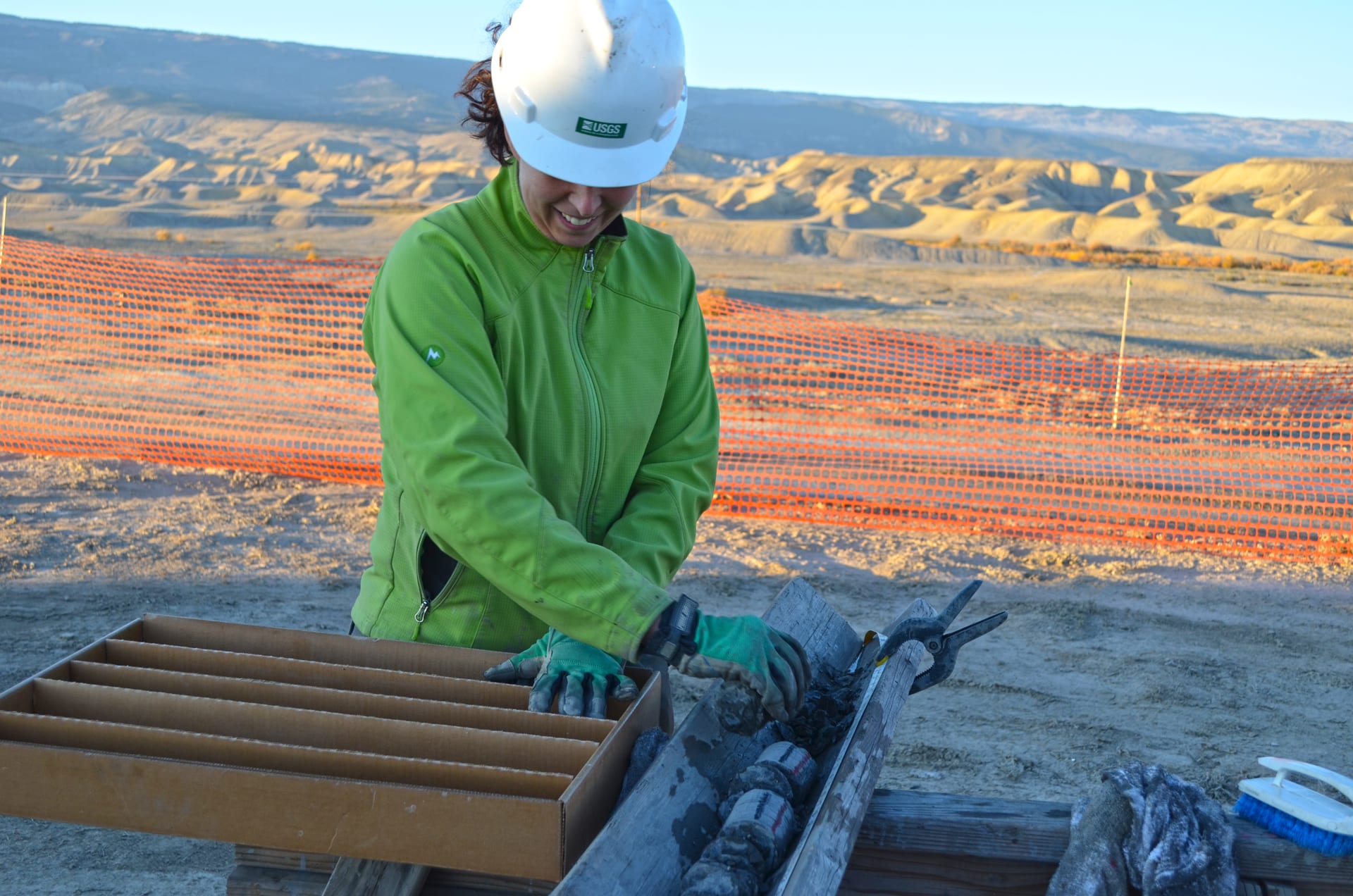
The geologist checks rock samples, well logs and maps to define the layers across a field. Core can show a thin mud barrier that a wider survey misses. Compare those features with nearby wells before deciding how far a sand body may extend.
Work with a sedimentologist on how the layers formed and a petrophysicist on rock and fluid properties. Some geologists build the field model themselves; others supply maps and rock descriptions to a geomodeller.
Update the interpretation when new wells or production results disagree with it. Show possible barriers, connections and gaps in the evidence. The reservoir engineer uses this rock picture to study fluid flow and test development plans.
Reservoir Geologist Pay and Job Outlook
Job Bank lists CAD 28.85 to 117.95 per hour for geoscientists and oceanographers in Alberta for 2023–2024. In May 2025, the middle 80% of U.S. geoscientists, excluding hydrologists and geographers, earned USD 28.52 to 96.26 per hour.
Canada forecasts 4,400 openings in this broad group over 2026–2035. Around 2,600 are due to retirement. These totals cover all the group’s industries and specialties.
The figures cover wider geoscience groups.
Reservoir Geologist Training and Career Path
Geology is a common degree route. Core description, matching layers between wells and map work provide useful early experience. Specialist reservoir-quality posts may seek graduate study and experience with the rock type being assessed.
Learn to explain why two wells are linked, as well as how the map was made. Employers may teach their modelling tools. Canadian professional practice can also require provincial registration or supervised work.
Challenges of Working as a Reservoir Geologist
A few wells sample only a small part of a field. The best-looking map can still miss a barrier between them. New data may require rebuilding part of the interpretation close to a planning deadline. Clear alternatives help the team see what remains uncertain.
Perks of Working as a Reservoir Geologist
You can combine hands-on rock work with maps and field decisions. New wells provide a chance to test an earlier interpretation. Experience can lead toward model leadership, development studies or a specialty in a particular reservoir type.