What Does a Tubular Running Services Field Engineer Do?
A tubular running services field engineer helps a crew put casing or tubing into an oil or gas well. They match the service tools to the pipe and the rig. At the well, they check that the gear works together, support the crew and record how the job went.
How Tubular Running Services Field Engineers Support Casing Jobs
The tubular running services field engineer checks how the service equipment fits the pipe and rig. Before the job, they review pipe dimensions, connection types and the rig layout. They help the team identify equipment and access needs before the tools leave the shop.
At the rig, they work with the casing running supervisor and crew on the service plan. Duties may include equipment checks and review of connection records. The rig crew retains its assigned load-handling duties. A change in pipe or tools needs review with the people responsible for the well.
The engineer records delays, tool faults and the work completed. Those records support the client’s casing file and later equipment review. Field engineer and field specialist can overlap in employer usage. This service-delivery job differs from a casing design engineer who plans the well’s casing program.
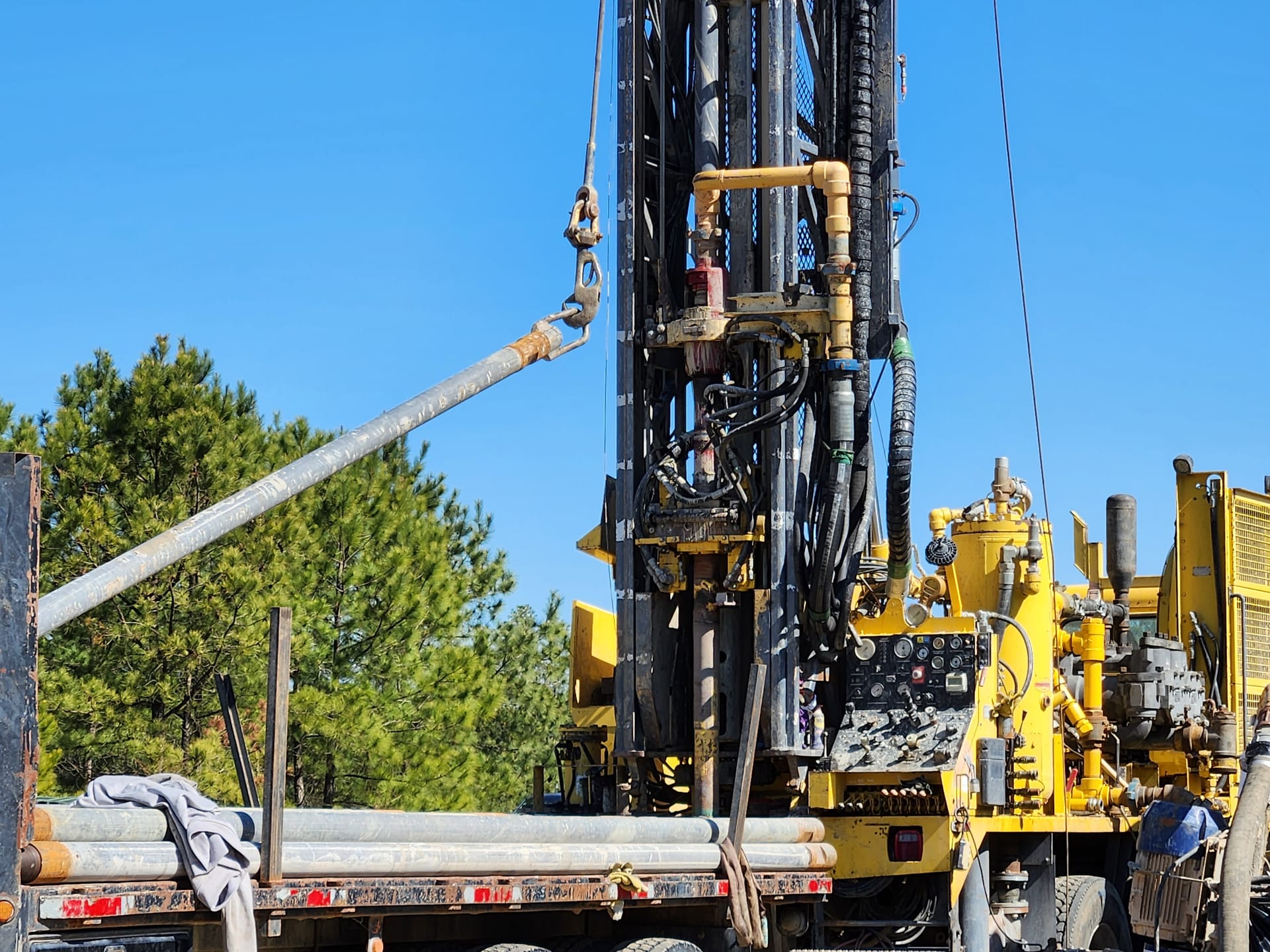
Rig and Tool Training for Tubular Running Field Engineers
Mechanical or engineering study can help, while some service posts build on rig and pipe-handling experience. Learn the tools, connection records and how service work fits the rig’s plan. Employers train staff on their own equipment and job reports.
Site induction and task training apply before assigned field work. Canadian posts may ask for gas-safety and first-aid tickets. Professional engineering approval needs the relevant local authority, separate from a service-company job title.
Challenges of Supporting Tubular Running on a Rig
Pipe and equipment can come from several suppliers. A late truck or unexpected connection can hold up the rig. The field engineer needs to explain the issue and arrange a reviewed change. Jobs may involve nights, rural road travel and time away from home, with dates shifting around the well schedule.
Perks of Working as a Tubular Running Field Engineer
You learn how well pipe, rig systems and service tools fit together. Shop preparation and field records offer a clear view of the whole job. Experience can lead toward tool expertise or service leadership.