What Does a Cathodic Protection Engineer Do?
A cathodic protection engineer designs systems that help buried or submerged steel last longer. They use test data to plan how to send a small current to the steel. They check how the system works after it is built and plan changes if part of the line needs more protection.
How Cathodic Protection Engineers Review Pipeline Systems and Surveys
The engineer designs systems that slow corrosion on steel underground or in water. They review the pipe, coating and ground or water conditions. Field readings help show how the current system performs and where more evidence is needed before selecting a design.
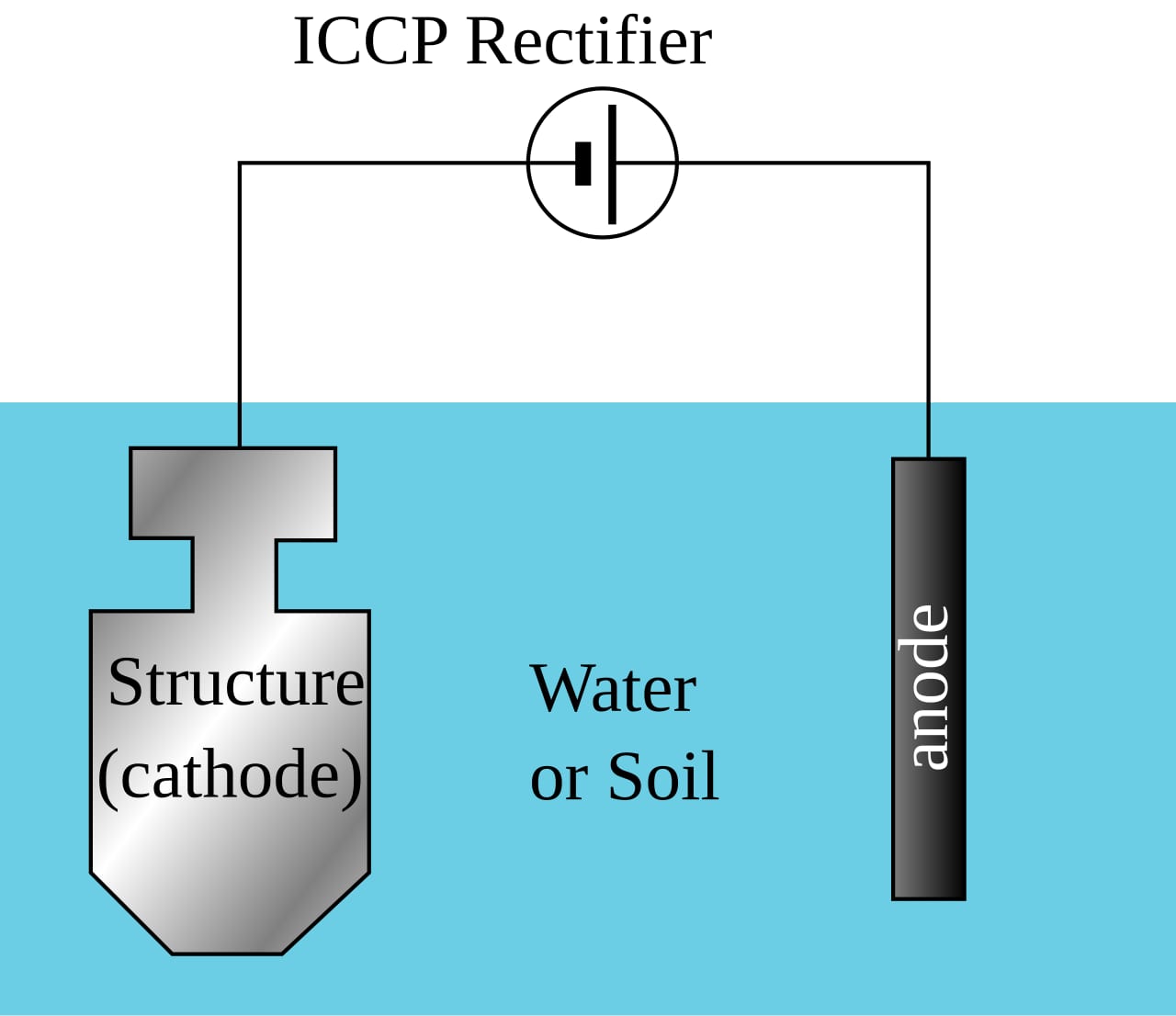
The design can use a powered system. Another option uses anodes that corrode in place of the protected steel. A cathodic protection technician gathers readings and helps check the installed equipment. They need to know where and how each test was made. A pass-or-fail result alone is not enough.
Nearby pipes or electrical systems can affect readings and performance. The team may need to work with another asset owner to understand the cause. Drawings, calculations and test records should show the basis for changes. After installation, the engineer reviews whether field results match the design intent.
Cathodic Protection Engineer Wages and Job Outlook
For broad materials-engineering context, Alberta’s metallurgical and materials group earned CAD 36.69 to 93.93 per hour in Job Bank’s 2024 data. U.S. materials engineers earned USD 34.76 to 84.48 per hour for the middle 80% in May 2025. These are not technician or CP-only rates.
Canada projects 500 openings in the materials-engineer group in 2026–2035, including 200 from retirements. A specialist contract fee also needs to cover costs that an employee’s wage does not.
Engineering and AMPP Training for Cathodic Protection
An engineering degree and experience in corrosion, materials or electrical work can provide a route. Learn field measurements as well as design theory. You need to judge how a test was made and whether it represents the asset.
AMPP’s CP4 credential covers advanced design work. You need the right experience, an approved application and exams to become certified. Taking a course is a separate step. Local practice rules still apply. Employers may teach their asset records and survey tools after hire.
Challenges of Protecting Buried Pipelines From Corrosion
Soil and moisture can vary along a line. A reading at one point may miss a problem elsewhere. You need to combine surveys and operating records rather than rely on one number. Field work can involve rural driving, poor weather and coordination with crews on other assets.
Perks of Working as a Cathodic Protection Engineer
You can compare a design with readings from the finished system and follow it over time. The same technical base applies to tanks and marine structures. Career routes include design, asset support and specialist review.