What Does a Chemist Do?
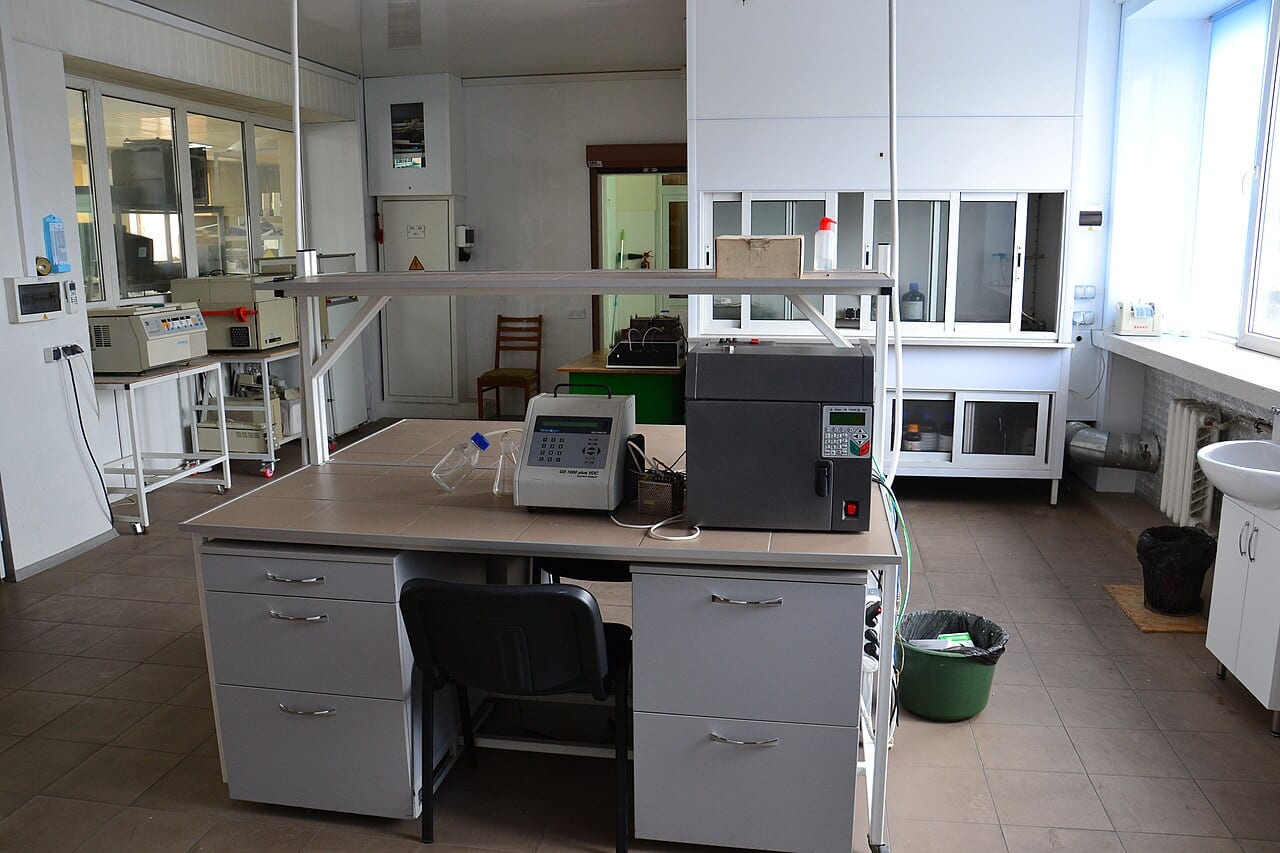
A chemist in oil and gas studies what is in a sample and how it behaves. A refinery may need to know if a batch meets its limits. A field team may need to know why a deposit formed in a pipe. You pick a test and check what the result can tell the team.
Test Methods and Result Reviews for Oilfield Chemists
Choose a test that answers the field or product question. A deposit study may need different evidence from a routine fuel-quality check. The chemist may run the analysis, review work from a laboratory technician or develop a better method when an existing test falls short.
Check instrument performance and the lab’s quality-control results before interpreting a reading. Track the sample, method and units in the lab record. A result near the method’s detection limit needs a different explanation from a clear change in product quality.
Discuss the findings with field staff, technical teams or the customer. Some chemists support production chemicals; others work in refinery testing or research. Explain what the test can establish and whether the team needs another sample before changing its plan.
Chemist Pay and Job Outlook
Job Bank lists CAD 27.00 to 68.19 per hour for chemists in Alberta for 2024. In May 2025, the middle 80% of U.S. chemists earned USD 28.11 to 77.32 per hour.
Canada projects about 7,400 openings in the Canadian group from 2026 to 2035. About 3,800 could come from retirements.
The rates cover chemists across industries. Some plant labs run shifts that include nights and weekends.
Chemist Training and Career Path
A chemistry or related degree is a common route. Research and specialist posts may seek graduate study. Early work often involves routine tests, sample records and instrument checks before taking responsibility for a method or study.
Learn the chemistry behind the instruments, as well as the lab software. Site training covers the actual chemicals and equipment used. A production-chemistry lab and a product research centre can offer quite different daily work.
Challenges of Working as a Chemist
A sample can change between the process and the lab. An instrument fault can also resemble a plant problem. At the same time, urgent samples may compete with longer studies. The chemist needs to keep quality checks clear while explaining when a useful answer will be ready.
Perks of Working as a Chemist
The work connects small samples with practical questions about equipment, fluids or products. You can develop laboratory expertise or move toward field studies and technical support. Some roles also involve working on new products and testing whether they solve the intended problem.