What Does a Laboratory Technician Do?
A laboratory technician tests samples from an oil or gas site. You might check the thickness of a liquid or measure what is in a gas sample. Follow the lab's test method and track which sample gave each result so the plant team can use it to make a decision.
Sample Tests and Quality Checks for Oil and Gas Lab Technicians
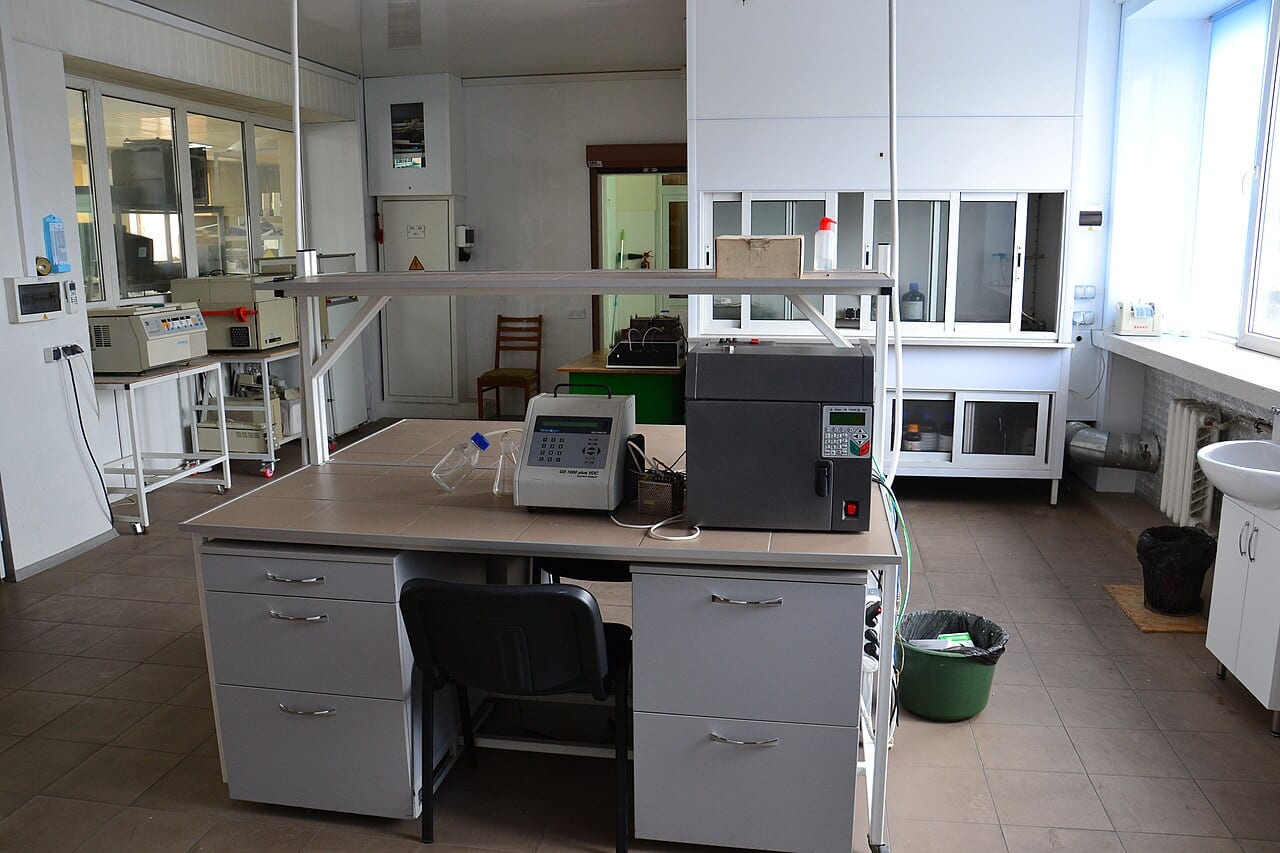
Receive and label samples, then check them against the request. An oil, gas or product sample needs a clear source and time. Store it as the method requires so the test remains linked to the material the site intended to check.
Run the assigned tests and record the method, units and instrument used. Check reference samples and other quality controls. If a check fails, hold the affected results for review by the chemist or lab lead rather than treating them as a process change.
Keep instrument and sample records current, including any repeats or unusual findings. Some labs test fuel or crude oil; others support drilling fluids or field chemistry. A mud engineer helps define the fluid data a drilling crew needs.
Laboratory Technician Pay and Job Outlook
Job Bank lists CAD 20.00 to 54.00 per hour for chemical technologists and technicians in Alberta for 2023–2024. In May 2025, the middle 80% of U.S. chemical technicians earned USD 20.07 to 44.25 per hour.
Canada projects about 8,600 openings in the Canadian group from 2026 to 2035. About 4,500 could come from retirements.
The figures cover chemical technicians and technologists more broadly.
Laboratory Technician Training and Career Path
Chemical technology or a related lab program is a common route. Some employers consider relevant lab experience for trainee posts. Learn to handle samples and check basic calculations. Study the quality checks used with each test.
Employers train staff on their instruments, records and chemical-handling rules. A technician may run an established method while a chemist develops or reviews it. The split depends on the lab. Compare the duties alongside the job title.
Challenges of Working as a Laboratory Technician
Several urgent samples can arrive together, sometimes during a night shift. Mixed labels or a missing time can spoil an otherwise careful test. An instrument fault can also affect the result. Keep the sample trail clear. Tell the next team about delays or failed checks.
Perks of Working as a Laboratory Technician
You learn to use instruments and see how the results support plant or product decisions. Roles exist in site and service labs. Shift patterns differ. Experience can lead toward specialist tests or lab coordination. Further study is another path.