What Does a Mud Engineer Do at an Oil or Gas Well?
A mud engineer tests the fluid a rig pumps through the well. They check its weight and how it flows, then advise the crew on any changes. The job helps the rig lift cuttings from the hole and keep the fluid in the range set out in the well plan.
How Mud Engineers Test Oil Well Fluids and Review Mud Reports
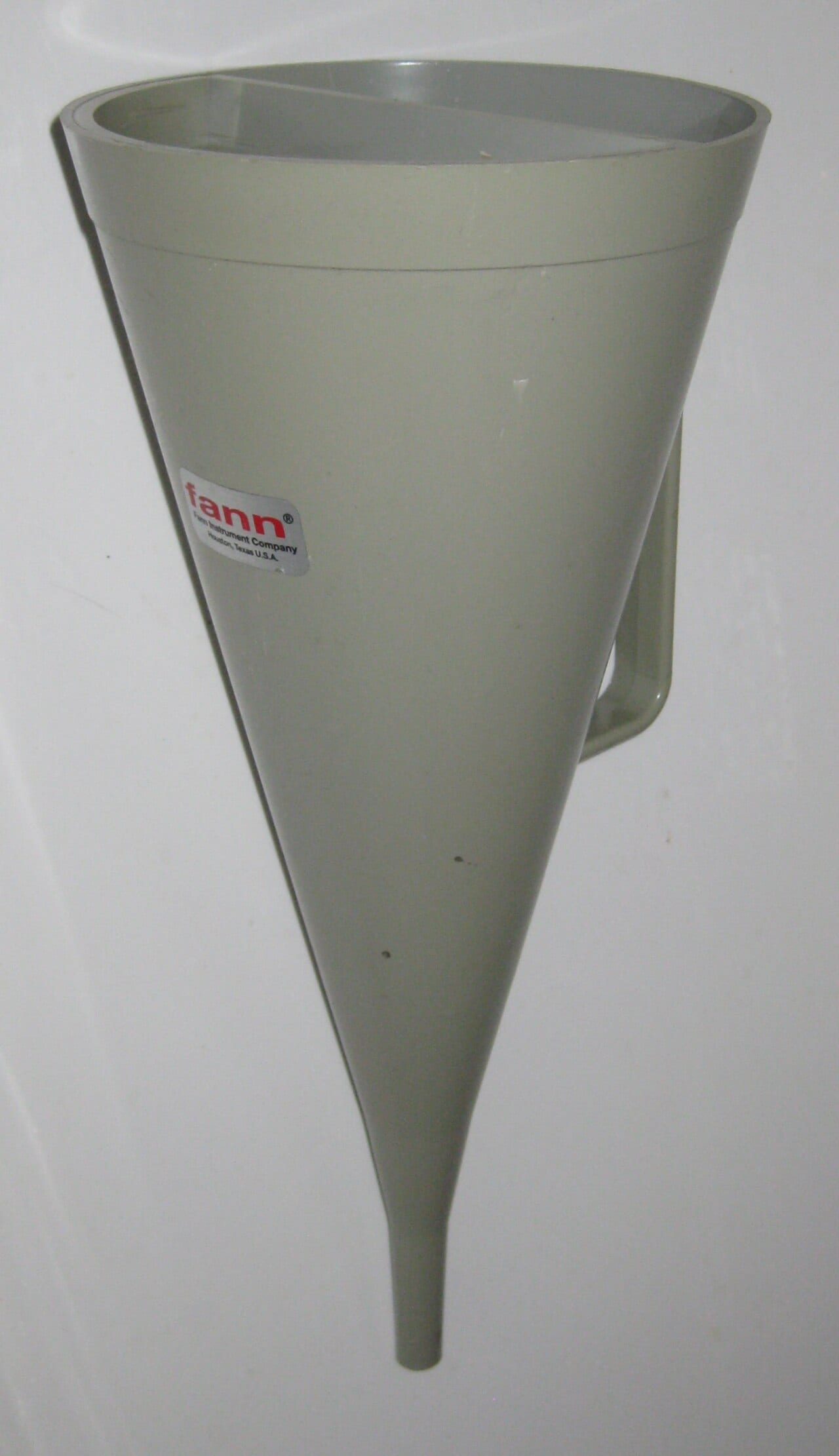
The mud engineer tests and reviews the drilling fluid used in a well. They compare measured properties with the fluid program and recent drilling conditions. Density, flow behaviour and solids are related, so one changed test may need a wider look at the system.
They work with the driller, derrickhand and solids control technician on field findings. Lab and sample records must show how the readings were obtained. Proposed treatments go through the job’s review process. The mud report also tracks product stocks, use and costs.
Mud engineer is often used for a drilling-fluids field specialist. SLB’s New Iberia example accepts a relevant technical degree, diploma or equivalent field experience. It includes testing, fluid programs and rig-office coordination. This role differs from a mud logger who studies cuttings and formation data, and from every licensed petroleum-engineering design appointment.
Mud Engineer Training and Field Experience
Petroleum, chemistry, geology or related technical study can help. Relevant field experience is another route for some service posts. SLB’s New Iberia example seeks at least three years of fluids experience; that is an experienced opening, not a universal entry rule.
Employers train staff on their fluid systems, tests and reports. Site and chemical-handling training must fit the duties. Local rules apply to any professional engineering work. Learn the difference between a test result, a treatment recommendation and the person authorised to approve a change.
Challenges of Working as a Mud Engineer at a Wellsite
Fluid conditions can change with rock, contamination or the work under way. A poor sample can also send the review in the wrong direction. Reports need care during long shifts and handovers. Remote rig work brings travel, weather delays and periods away from home.
Perks of Working as a Mud Engineer
You get close feedback between a test, the fluid program and what the rig crew sees. The work mixes lab methods with field problem solving. Experience can lead toward a fluid specialty, technical support or service leadership. The field-to-office balance differs by employer.
Mud Engineers and Other Wellsite Specialists
You may see mud engineer, drilling fluids specialist or fluids engineer on a posting. A wellsite geologist studies the rock that comes out of the hole. An MWD operator takes measurements while drilling so the directional driller can track the well’s path. The cementer pumps cement during a different part of the job.