What Does a Solids Control Technician Do on a Rig?
A solids control technician looks after gear that removes rock chips and other solids from fluid coming back from a well. They check the gear, report changes and help keep usable fluid in the rig’s system. Their work also affects how much wet material the rig needs to haul away.
How Solids Control Technicians Clean Drilling Fluid
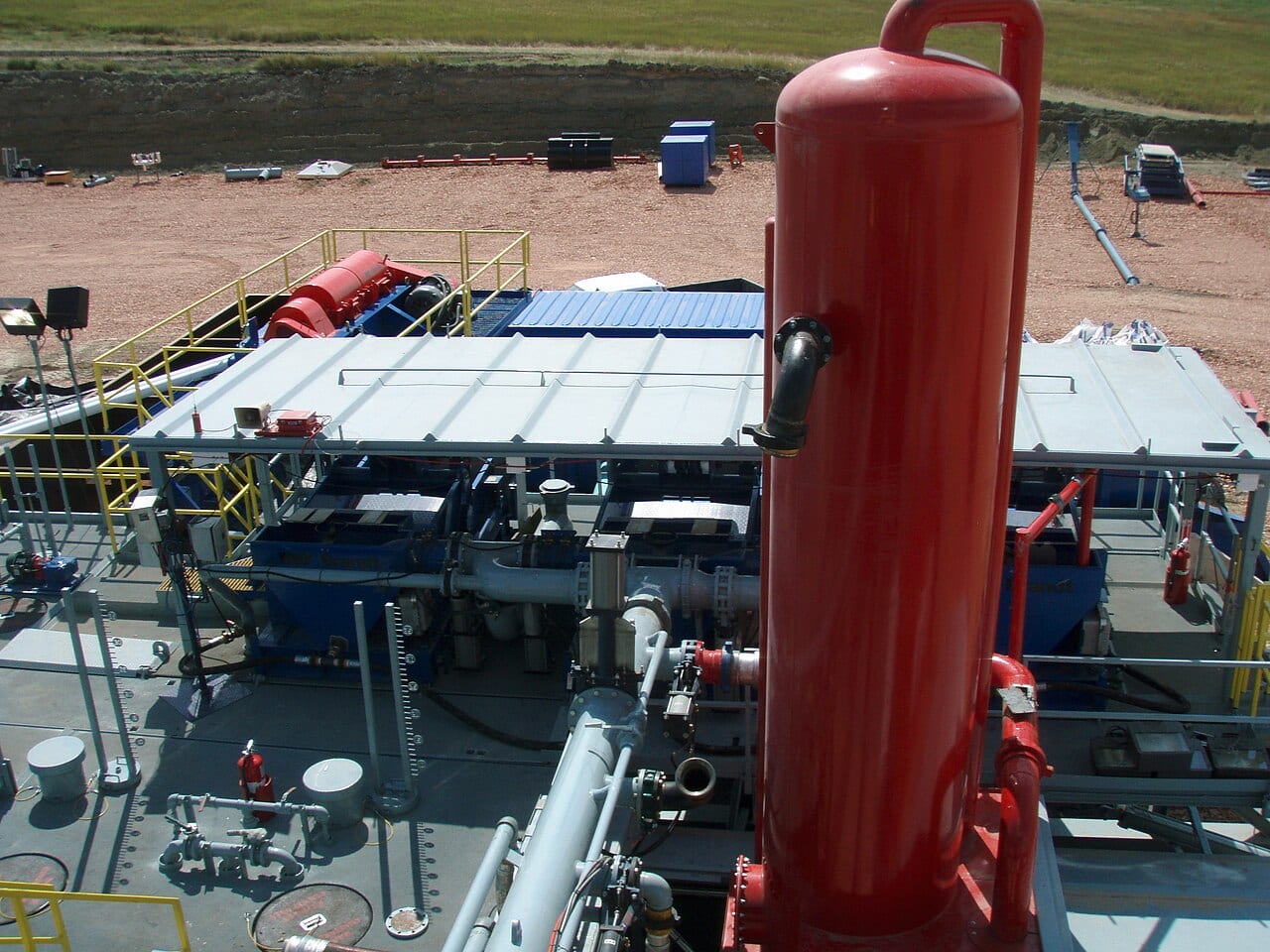
Monitor the equipment separating solids from returning drilling fluid. Shakers catch material on screens; centrifuges separate other material by spinning. Check the assigned equipment and report wear or an unusual operating condition.
Keep daily equipment and fluid-handling records. Work with the mud engineer and rig team when the returning fluid changes. The technician needs to know what the system recovers and what leaves as waste.
Inspect and maintain the tools within the assigned scope. Some jobs include rig-up and packing equipment after the job. Shop preparation may fill time between wells. A shaker hand may cover one station; a solids-control service technician can cover a wider equipment package. Some employers use engineer or specialist titles for similar field duties.
How to Become a Solids Control Technician
Rig, mechanical or workshop work can provide a route. Employers train staff on their screens, centrifuges and records. Experienced posts may need several years with the equipment, while trainees build skills with a lead.
Site courses depend on the location and duties. Canadian rig access commonly calls for H2S and first aid. Equipment work also needs task training around moving machinery and pressure. Offshore posts can add survival and medical requirements.
Challenges of Working as a Solids Control Technician
The returning material can change while the rig keeps drilling. Worn screens or equipment faults can affect fluid recovery and waste volumes. The work can be noisy and wet through a long shift. Clear logs help the next technician recognize a new fault rather than an ongoing issue.
Perks of Working as a Solids Control Technician
You see how equipment performance affects the fluid the rig reuses. The role builds practical machinery and reporting skills. Experience can support maintenance or wider fluids services, with further training for specialist work rather than an automatic move into mud engineering.